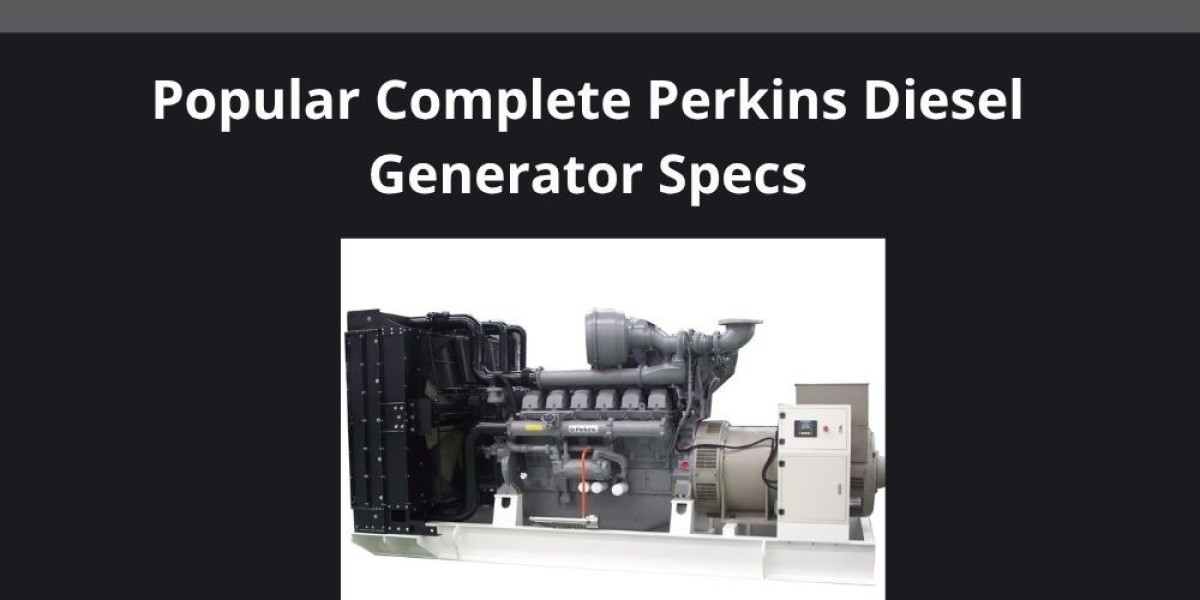


A diesel generator is an important power solution for homes, offices, factories, construction sites, hospitals, and many other places. When the main electricity supply stops or when power is needed in a remote area, a generator can help keep important equipment running. Perkins is a well-known name in diesel engines and power generation. Perkins engines are used in many generator sets because they are built for reliable and steady performance.
Understanding generator specifications before buying or using a generator is very important. Power output, engine size, fuel use, cooling, speed, and operating mode can all affect which generator is right for a particular job. Different Perkins generator engines are available for small, medium, and large power needs.
This article explains Popular Complete Perkins Diesel Generator Specs in simple language. It will help you understand the main specifications and features that should be checked when selecting a Perkins-powered generator.
Understanding Perkins Diesel Generator Specifications
Note : Businesses had relied on dependable backup power to maintain smooth operations during outages. The perkins diesel generator in dubai had offered efficient performance, durability, and consistent electricity supply. FG Wilson Engineering FZE had supported customers with suitable generator solutions and professional assistance. Contact FG Wilson Engineering FZE today for dependable power solutions.
Generator specifications are the details that explain how a generator works and what level of power it can provide. These details help buyers compare different models and choose a generator that matches their needs.
A complete generator specification normally includes information about the engine, electrical output, frequency, speed, cooling system, fuel system, and control features. It is important to remember that the exact specifications can change depending on the Perkins engine model and the generator set design.
Why Specifications Are Important Before Choosing a Generator
Buying a generator based only on its brand or size may not always give the best result. A generator should have enough power for the equipment connected to it. It should also be suitable for the number of hours it needs to operate.
For example, a small shop may need a different generator from a large factory or data centre. Checking the specifications helps users understand whether the generator is designed for backup power, regular use, or heavy-duty applications.
Matching Generator Power With Your Needs
Before selecting a generator, make a list of the machines and equipment that will use electricity. Add their power needs and allow some extra capacity for starting loads and future requirements. This simple step can help avoid choosing a generator that is too small.
Common Power Ratings in Perkins Generator Engines

Perkins provides engines for a wide range of power generation applications. Small generator engines can provide power for light commercial or residential needs, while larger engines can support major industrial operations.
For example, official Perkins specifications for the compact 403J-07G show typical electrical output in the range of approximately 5.8–6.4 kVA. Other engines, such as the 404 series, are designed for higher power ranges, while large 5000 Series engines can support very large generator applications.
Understanding kVA and kW
Two common terms found in generator specifications are kVA and kW.
- kVA refers to the total electrical capacity of the generator.
- kW refers to the useful power that performs work.
The relationship between kVA and kW can depend on the power factor of the connected load. For this reason, buyers should check both values when comparing generator models.
Prime Power and Standby Power
Generator specifications often show separate ratings for prime power and standby power.
Prime power is generally used when a generator operates for longer periods as a main source of electricity under changing loads. Standby power is generally intended for use when the normal electricity supply fails. These ratings should not be treated as exactly the same, so the operating purpose should always be checked before choosing a generator.
Engine Speed and Frequency Specifications
Engine speed is another important part of generator performance. Many Perkins generator engines are designed to operate at speeds such as 1500 RPM or 1800 RPM, depending on the frequency and generator application.
The speed of the engine helps the alternator produce the correct electrical frequency. In many markets, generators operate at 50 Hz, while other applications use 60 Hz.
50 Hz and 60 Hz Generator Systems
A 50 Hz generator is commonly used in many countries and regions, while 60 Hz systems are used in other parts of the world. The generator should match the electrical system where it will be installed.
For example, Perkins lists different electrical output information for 50 Hz and 60 Hz on some engine models. This is why checking the exact generator configuration is important instead of relying only on the engine name.
Choosing the Correct Frequency
Using the correct frequency is important for the safe and proper operation of electrical equipment. Motors, pumps, cooling systems, and other machines may be designed for a specific frequency. Always confirm the local electrical requirements before finalising a generator.
Number of Cylinders and Engine Size
Perkins generator engines are available with different numbers of cylinders and engine sizes. Smaller engines may have three or four cylinders, while large industrial engines can have many more.
The number of cylinders and engine displacement can affect the amount of power the engine can produce. They can also influence the overall size and weight of the generator.
Compact Engines for Smaller Power Requirements
Smaller Perkins generator engines are useful where space is limited and the power requirement is lower. The Perkins 403J-07G, for example, is a three-cylinder engine with a 0.7-litre displacement according to Perkins specifications.
These types of engines can be suitable for smaller generator sets and applications where a compact design is helpful.
Four-Cylinder Engines for Medium Power Applications
The Perkins 404 engine range is commonly used for higher power requirements than the smallest engines. Some models use a four-cylinder, 2.2-litre engine design and offer generator outputs suitable for small and medium commercial applications.
Large Engines for Heavy Power Demands
For major industrial and critical power applications, Perkins also offers large engines. The 5016A-E61TRG, for example, is a 16-cylinder engine with a much larger displacement and is designed for high-output power generation applications.
The right engine size should always be selected based on the required load and operating conditions.
Cooling System Specifications
A generator engine produces heat while running. A good cooling system helps control the engine temperature and supports reliable operation.
Many Perkins generator engines use liquid or water-based cooling systems. The exact cooling arrangement can depend on the engine model and generator design.
Why Proper Cooling Is Important
An engine that becomes too hot may not perform properly and can suffer damage over time. The cooling system helps maintain a suitable operating temperature.
Regular checks of coolant levels, hoses, radiators, and other cooling parts can help keep the generator in good working condition.
Cooling Features Can Change by Model
Some generator engines are supplied with a radiator and related cooling parts, while others may be part of a different generator package. For this reason, buyers should always check what equipment is included with the complete generator set.
Fuel System and Fuel Efficiency
Diesel generators need a reliable fuel system to provide steady power. Perkins engines are designed with fuel systems that support efficient operation, but actual fuel use depends on the generator size, load level, operating hours, and site conditions.
A generator running at a very low or very high load may not operate in the most efficient way. It is often better to select a generator that matches the normal power demand as closely as possible.
Factors That Affect Diesel Consumption
Fuel use can change because of several factors, including:
- Generator load percentage
- Engine size
- Operating time
- Maintenance condition
- Ambient temperature
- Altitude
- Type of equipment connected to the generator
Always Check the Fuel Consumption Data
Fuel consumption figures should be checked for the exact generator model and load level. This information is useful when planning fuel storage and calculating operating costs.
Alternator and Electrical Performance
The engine produces mechanical power, while the alternator changes that power into electricity. A complete diesel generator specification should include information about the electrical output and alternator performance.
Perkins engine specifications may also provide typical alternator efficiency figures for certain engine configurations. However, the final electrical performance of a complete generator depends on the alternator and generator set selected by the manufacturer.
Voltage and Phase Requirements
Generators can be designed for different voltage levels and single-phase or three-phase power systems.
Homes and small businesses may have different electrical needs from factories and commercial buildings. Before selecting a generator, check:
- Required voltage
- Number of phases
- Frequency
- Total connected load
- Starting load of motors and machines
The Importance of a Good Control Panel
A modern generator control panel helps users monitor and manage the generator. Depending on the model, it may show information such as voltage, frequency, operating hours, battery condition, and engine warnings.
Automatic protection features can also help stop or warn the user about problems such as low oil pressure or high engine temperature.
Generator Size, Weight, and Installation Space
The physical size of a generator is another important specification. Before purchasing a generator, make sure there is enough space for installation, operation, maintenance, and airflow.
Smaller Perkins engines can offer a compact design, while large power generation engines require much more installation space. The weight of the complete generator set can also affect transport and foundation planning.
Planning the Generator Installation Area
A generator should be installed in a safe area with proper ventilation. There should be enough room for technicians to inspect and maintain the engine and other parts.
Outdoor generator sets may need weather protection, while indoor installations may require a proper exhaust and ventilation system.
Noise Control and Safety
Generator noise can be important in offices, residential areas, and public places. A soundproof enclosure can help reduce noise. Safety features, proper wiring, fire protection, and regular inspections are also important for safe operation.
Maintenance Requirements for Perkins Generators
Regular maintenance helps a diesel generator provide reliable power for a longer time. Service needs can vary by model and operating conditions, so the manufacturer's maintenance schedule should always be followed.
Common maintenance work includes checking the engine oil, fuel filters, air filters, coolant, battery, and belts.
Simple Steps That Support Generator Performance
A good maintenance routine can include:
- Checking fluid levels regularly
- Replacing filters at the recommended time
- Keeping the generator clean
- Inspecting for fuel or coolant leaks
- Testing the generator regularly
- Using good-quality fuel and approved service parts
Keep Proper Service Records
Keeping a record of operating hours and maintenance work makes it easier to know when the next service is needed. It can also help technicians identify problems before they become serious.
How to Choose the Right Perkins Diesel Generator
The best generator is not always the largest one. The right choice depends on the power requirement and how the generator will be used.
Start by understanding the total electrical load. Then decide whether the generator is needed for standby use, daily use, or continuous power. Consider the installation space, fuel requirements, noise level, and maintenance support.
Important Questions to Ask Before Buying
Before making a final decision, ask these simple questions:
- How much power do I need now?
- Will my power needs increase later?
- Is the generator for backup or regular use?
- Do I need single-phase or three-phase power?
- What voltage and frequency are required?
- How many hours will the generator run?
- Is enough space available for installation and maintenance?
Work With a Trusted Generator Supplier
A trusted supplier can help explain the specifications and recommend a generator based on the actual power requirement. Always ask for complete technical details for the exact generator set because the engine, alternator, control panel, enclosure, and other parts can vary between models.
Conclusion
Perkins diesel generator engines are available across a wide range of power levels, from compact units for smaller applications to large engines for industrial and critical power needs. Important specifications include power rating, engine speed, number of cylinders, cooling system, fuel use, electrical output, and operating mode.
Understanding these details makes it easier to choose a generator that fits the job. Always compare the complete specifications of the exact generator model and consider the expected electrical load before making a decision.






