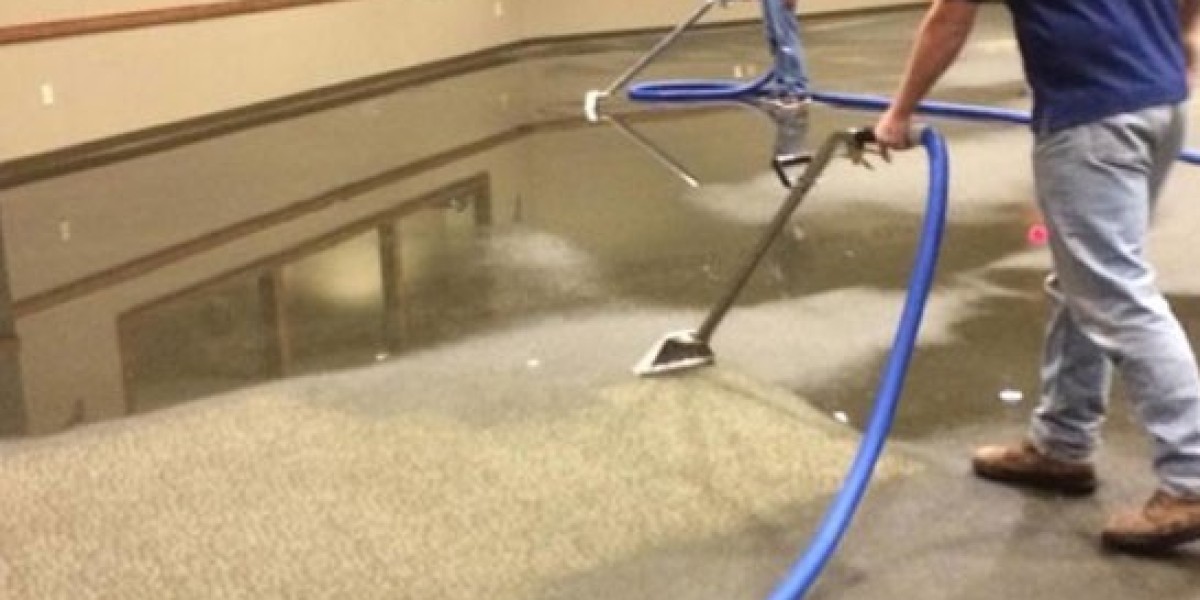


Water damage in a commercial property is rarely a minor inconvenience. A burst pipe, overflowing system, heavy rain, plumbing failure, or equipment problem can affect floors, walls, furnishings, inventory, and equipment within a short period of time.
The challenge becomes even greater when the building needs to remain operational. Employees may still need access to work areas, customers may be arriving, and important business processes cannot always stop while a property is being restored.
That is why businesses need a clear response plan. Understanding what happens after water enters a commercial property can help facility managers respond quickly, limit disruption, and make better decisions about cleanup and recovery.
Why Water Damage Is More Complicated in Commercial Buildings
Commercial properties are often larger and more complex than residential spaces. They may contain multiple floors, storage areas, offices, mechanical rooms, restrooms, electrical equipment, and specialized workspaces.
Water can travel beyond the location where the original problem occurred.
For example, a plumbing failure on an upper floor may affect ceilings and walls below it. Water can also move beneath flooring or into areas that are not immediately visible.
The longer moisture remains in building materials, the more difficult the recovery process can become. This makes early assessment especially important.
Common Causes of Commercial Water Damage
There is no single cause behind every water-related incident.
Some problems happen suddenly, while others develop slowly.
Common causes include:
Broken or leaking pipes
Plumbing fixture failures
Roof leaks
Severe storms
Drain backups
Sprinkler system issues
HVAC-related leaks
Appliance or equipment failures
Building maintenance problems
Identifying the source matters because cleanup should not begin as though every situation is identical.
A facility manager should first determine where the water came from and whether the source has been controlled. If the cause continues, cleanup efforts may be wasted.
The First Priority Is Controlling the Problem
When water enters a commercial building, the first objective is to prevent additional damage.
That may mean shutting off a water supply, addressing a plumbing issue, containing a roof leak, or taking other appropriate steps through qualified professionals.
The exact response depends on the situation and the building.
Once the source has been addressed, the affected areas can be assessed. Facility teams should document visible damage and identify spaces that may have been affected indirectly.
This early assessment helps determine the scope of the response.
Why Fast Water Removal Matters
Standing water should not simply be left until normal operations resume.
Moisture can affect flooring, drywall, insulation, furnishings, and other materials. It can also migrate into areas that are difficult to see.
Professional commercial water extraction can help remove accumulated water from affected areas so the recovery process can move forward.
The objective is not merely to make the floor look dry. The affected property needs to be assessed carefully to determine where moisture remains and what materials may require additional treatment.
For a large commercial facility, professional equipment can also make the process more efficient than relying on basic household methods.
Visible Water Does Not Tell the Whole Story
One of the easiest mistakes after a water incident is assuming that visible dryness means the building has fully recovered.
Water can remain inside porous materials or hidden areas.
Carpet padding, flooring layers, drywall, baseboards, and other materials may retain moisture even when the surface appears relatively dry.
That is why assessment should extend beyond what can be seen.
A professional recovery process may involve checking affected areas and determining whether moisture remains in building materials. The findings can help guide the next stage of cleanup.
Protecting Business Operations During Recovery
Commercial water damage creates a difficult balance.
The property needs attention, but the business may also need to continue operating.
A facility manager may need to determine which areas can remain open and which spaces need temporary restrictions. In some situations, it may be possible to isolate affected areas while unaffected departments continue working.
Clear communication becomes essential.
Employees should know which areas are unavailable. Building occupants may need guidance about temporary changes to entrances or workspaces. Customers and visitors should not be exposed to unsafe or actively affected areas.
The goal is to manage the recovery process without creating unnecessary disruption.
Water Damage Can Affect More Than Floors
When people think about water damage, they often picture flooded floors. However, commercial recovery can involve many other parts of a building.
Water may affect:
Walls and ceilings
Carpeting
Hard flooring
Furniture
Storage areas
Office equipment
Building materials
Supplies and inventory
Common areas
The potential impact depends on the amount of water, the source, the duration of exposure, and the materials involved.
A careful assessment helps businesses avoid overlooking secondary damage.
What Happens After the Water Is Removed?
Water extraction is only one stage of recovery.
Once excess water has been removed, affected areas may need further drying and evaluation. Damaged materials may need cleaning, repair, or replacement depending on their condition.
This is where a broader facility response can become useful.
For example, if flooring has been affected, specialized floor care may be necessary after the area has been properly dried. If walls or other building surfaces are damaged, repair work may also be required.
The recovery plan should therefore consider the entire affected area rather than stopping as soon as standing water disappears.
Cleaning and Restoration Are Not Always the Same Thing
There is an important distinction between routine cleaning and recovery after water damage.
Routine cleaning focuses on maintaining normal conditions. Water damage response addresses an unusual event that may have affected building materials and business operations.
A property may look clean after visible water has been removed, but additional work may still be necessary.
Depending on the situation, businesses may need specialized cleaning, drying, repairs, or restoration services.
Understanding this distinction can help facility managers avoid treating a serious incident as an ordinary cleaning task.
When Emergency Cleaning Becomes Necessary
Some water incidents happen outside normal business hours.
A pipe may fail overnight. A storm may damage a building after employees have gone home. An equipment problem may create a sudden leak during a weekend.
These situations can become more difficult when the affected property needs to be ready for business the following morning.
Emergency cleaning can provide support when a facility needs a rapid response outside its normal cleaning schedule.
The exact response will depend on the type and extent of the incident. However, having an established provider before an emergency occurs can make it easier for facility teams to know who to contact.
Documentation Can Help With Recovery Decisions
After a significant water incident, documentation is valuable.
Facility teams should record the location of visible damage, when the problem was discovered, what caused it if known, and what actions were taken.
Photographs can also help document affected areas.
This information may be useful when coordinating contractors, property managers, insurers, or internal decision-makers.
Good documentation also creates a record of the incident that can help businesses review what happened later.
How Businesses Can Prepare Before Water Damage Happens
The best time to create a water damage response plan is before an emergency.
Facility managers can start by identifying:
Main water shutoff locations
Areas containing valuable equipment or inventory
Vulnerable storage spaces
Emergency contacts
Preferred service providers
Internal communication procedures
Temporary workspace options
It is also worth reviewing the building periodically for signs of potential problems, such as visible leaks, damaged ceilings, or recurring plumbing issues.
Preparation does not prevent every incident, but it can reduce confusion when something goes wrong.
Choosing a Commercial Recovery Provider
Not every cleaning provider has the same capabilities.
Businesses should look for a provider that understands commercial environments and can respond according to the property's requirements.
Useful questions include:
Can They Respond Quickly?
Timing matters during water-related incidents. Businesses should understand the provider's response process and availability.
Do They Have Appropriate Equipment?
Commercial properties may require equipment capable of handling larger affected areas than residential situations.
Can They Coordinate With Facility Teams?
Communication is important when multiple departments, contractors, or building managers are involved.
Do They Understand Commercial Operations?
The provider should recognize that the goal is not simply cleanup. The business may also need to manage access, schedules, employees, customers, and operational continuity.
Can They Address Related Needs?
Water damage may create secondary cleaning or maintenance requirements. Having access to complementary services can simplify coordination.
The Cost of Waiting Can Be Higher
Businesses sometimes delay professional assessment because the visible damage appears manageable.
That decision can create additional complications.
Moisture that remains unnoticed may affect materials over time. Affected areas can also interfere with normal operations for longer than necessary.
The right response will vary from one incident to another, so businesses should avoid assuming that every water problem requires the same solution.
The important point is to assess the situation promptly and make decisions based on the actual condition of the property.
Building a Better Emergency Response Strategy
A strong commercial water damage plan should combine preparation, communication, and timely action.
Facility managers should know who is responsible for the initial response. Employees should understand how to report leaks or flooding. Emergency contacts should be easy to access.
After an incident, the team can review what happened and identify opportunities to improve the response.
For example, perhaps a particular storage area was more vulnerable than expected. Maybe emergency contacts were outdated. Or perhaps employees were unsure which areas should be avoided.
Each incident can provide information that helps strengthen future planning.
Final Thoughts
Water damage can disrupt a commercial property quickly, but a prepared response can make the situation easier to manage.
The key is to think beyond visible standing water. Businesses need to consider the source of the problem, affected materials, hidden moisture, operational disruption, and the steps required to return the facility to normal use.
Professional assessment and appropriate extraction can help businesses move from immediate response toward recovery. Additional cleaning or maintenance may then be needed depending on the condition of the property.
For businesses that need support managing unexpected facility problems, About CFS offers services that can fit into a broader commercial property care strategy.
Ultimately, preparation is one of the most valuable tools a facility manager has. Knowing what to do, who to contact, and how to protect business operations before an incident occurs can make a significant difference when water damage happens.






