

What Is Preimplantation Genetic Diagnosis and How Does It Work?
Starting fertility treatment can bring many questions, especially when doctors recommend additional procedures that you may not have heard of before. One such procedure is Preimplantation Genetic Diagnosis, commonly known as PGD. It is an advanced genetic testing technique used during IVF treatment to examine embryos before they are transferred into the uterus.
The purpose of Preimplantation Genetic Diagnosis is to help identify certain inherited genetic conditions before pregnancy begins. This allows fertility specialists to select embryos that do not carry specific genetic disorders, helping couples make informed decisions during their fertility journey.
Many couples wonder whether PGD is necessary for everyone, how the procedure works, and whether it improves treatment planning. Understanding the process can help reduce uncertainty and make it easier to discuss your options with your fertility specialist.
What Is Preimplantation Genetic Diagnosis?
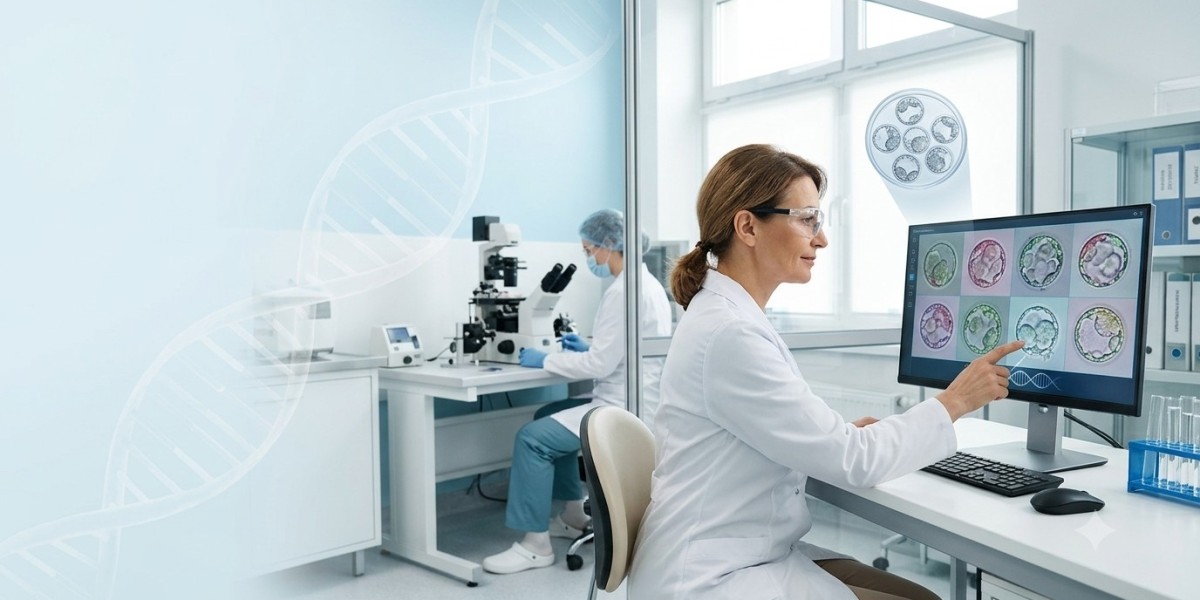
Preimplantation Genetic Diagnosis is a laboratory technique performed as part of an IVF cycle. After eggs are fertilized and embryos begin to develop, a few cells are carefully removed from the embryo for genetic testing.
The laboratory then checks these cells for specific inherited genetic conditions that may be passed from parents to their children.
The goal is not to change the embryo but to identify whether a known genetic condition is present before embryo transfer.
This approach helps doctors and patients make informed decisions during fertility treatment while supporting reproductive health and pregnancy planning.
How Does Preimplantation Genetic Diagnosis Work?
One of the most common questions couples ask is, How does Preimplantation Genetic Diagnosis work?
The procedure generally follows these steps:
Step 1: IVF Treatment Begins
The woman undergoes ovarian stimulation to produce multiple mature eggs.
Step 2: Egg Collection
The eggs are collected through a minor medical procedure.
Step 3: Fertilization
The collected eggs are fertilized with sperm in a modern IVF laboratory, where embryo development is closely monitored.
Step 4: Embryo Development
The embryos grow in carefully controlled laboratory conditions for several days.
Step 5: Genetic Testing Before Embryo Transfer
A few cells are gently removed from the developing embryo. This process is known as genetic testing before embryo transfer.
The laboratory analyzes these cells to check for specific inherited genetic conditions identified in the parents.
Step 6: Embryo Selection
After the test results are available, the fertility team identifies embryos suitable for transfer based on the medical findings.
Step 7: Embryo Transfer
The selected embryo is transferred into the uterus as part of the IVF treatment plan.
Every step is carefully monitored by experienced fertility specialists to maintain laboratory quality and patient safety.
Why Is Genetic Testing Before Embryo Transfer Important?
Many inherited conditions can be passed from one generation to another. In some families, these conditions are already known because close relatives have been affected.
Genetic testing before embryo transfer allows fertility specialists to identify embryos that do not carry specific inherited disorders that have already been identified within the family.
This process may help:
Support informed family planning
Reduce the chance of passing certain inherited conditions
Improve treatment planning
Provide reassurance for eligible couples
It is important to remember that PGD is recommended only in specific medical situations and is not necessary for every IVF patient.
The Role of a Modern IVF Laboratory
A high-quality modern IVF laboratory plays a critical role in the success of PGD.
Embryos require carefully controlled conditions throughout their development. Laboratory specialists monitor temperature, humidity, air quality, and culture conditions to support healthy embryo growth before testing.
Modern laboratories typically include:
Advanced incubators
Precision microscopes
Specialized genetic testing equipment
Controlled laboratory environments
Strict quality assurance procedures
These facilities help maintain high standards during IVF and PGD.
Why Experienced Fertility Specialists Matter
PGD requires close coordination between fertility doctors, embryologists, and genetic experts.
Experienced fertility specialists help by:
Evaluating the patient's fertility history
Identifying whether PGD is appropriate
Explaining available treatment options
Coordinating laboratory testing
Guiding patients throughout the IVF journey
Their experience helps patients understand every stage of treatment and make informed decisions with confidence.
Who Should Consider Preimplantation Genetic Diagnosis?
Another important question many couples ask is, Who should consider Preimplantation Genetic Diagnosis?
PGD may be recommended for couples with specific medical or genetic concerns, including:
A known inherited genetic disorder in one or both partners
A family history of certain genetic diseases
Previous pregnancies affected by inherited conditions
Repeated IVF failures related to identified genetic concerns
Medical advice from a genetic counsellor or fertility specialist
The decision is always based on an individual medical assessment rather than a routine recommendation.
How PGD Supports Better Treatment Planning
Although PGD does not guarantee pregnancy, it can help fertility specialists develop a more personalized treatment approach.
By understanding the genetic health of embryos before transfer, doctors can make decisions based on each couple's unique medical history.
This individualized approach plays an important role in supporting reproductive health and helping couples move forward with greater confidence.
Why Personalized Fertility Care Is Important
Every fertility journey is different. Two couples may have similar symptoms but require completely different treatment plans. This is why personalized care is an essential part of IVF and Preimplantation Genetic Diagnosis.
Before recommending PGD, fertility specialists usually review:
Medical history of both partners
Family history of inherited conditions
Previous pregnancies
Previous fertility treatments
Laboratory investigations
Genetic counselling reports
This detailed evaluation helps determine whether PGD is appropriate and ensures that every treatment plan is tailored to the couple's needs.
Benefits of Preimplantation Genetic Diagnosis
For couples who meet the medical criteria, Preimplantation Genetic Diagnosis offers several potential benefits.
These include:
Helping identify embryos affected by certain inherited genetic conditions
Supporting informed reproductive decisions
Assisting with personalized IVF treatment planning
Providing additional information before embryo transfer
Helping couples better understand their reproductive options
While PGD can provide valuable genetic information, it is important to remember that no fertility treatment can guarantee pregnancy. Many factors, including age, overall reproductive health, and embryo quality, also influence IVF outcomes.
Preparing for Preimplantation Genetic Diagnosis
If your fertility specialist recommends PGD, preparing for treatment can help you feel more confident and informed.
Before starting treatment, you may be advised to:
Attend fertility consultations
Complete medical investigations
Undergo genetic counselling if required
Discuss family medical history
Review treatment options with your doctor
Understand the IVF timeline
Follow prescribed medications carefully
Maintain regular follow-up appointments
Having open discussions with your fertility team allows you to understand every stage of the process before treatment begins.
Supporting Reproductive Health During IVF
Good overall health plays an important role throughout fertility treatment.
Simple lifestyle habits that help in supporting reproductive health include:
Eating a balanced diet
Staying physically active
Maintaining a healthy weight
Avoiding smoking and tobacco
Limiting alcohol consumption
Getting adequate sleep
Managing stress
Following all medical advice
Taking prescribed supplements if recommended
Attending regular fertility consultations
Although lifestyle changes cannot replace medical treatment, they support overall well-being throughout the fertility journey.
Questions to Ask Your Fertility Specialist
Before deciding whether PGD is right for you, consider asking your doctor:
Is Preimplantation Genetic Diagnosis suitable for my condition?
Why is PGD being recommended?
What genetic conditions can be tested?
How is genetic testing before embryo transfer performed?
Does the testing affect embryo development?
How long does the process take?
Will additional counselling be available?
What happens after the genetic test results are received?
These questions help you understand the procedure and make informed decisions about your treatment.
Common Myths About Preimplantation Genetic Diagnosis
There are many misunderstandings surrounding PGD. Knowing the facts can help reduce unnecessary concerns.
Myth 1: Everyone undergoing IVF needs PGD.
Fact: PGD is recommended only for selected patients based on their medical or genetic history.
Myth 2: PGD guarantees pregnancy.
Fact: PGD provides genetic information about embryos, but pregnancy success depends on several medical factors.
Myth 3: PGD replaces all pregnancy tests.
Fact: Routine prenatal care and pregnancy monitoring remain important even after IVF and PGD.
Myth 4: PGD is performed without medical evaluation.
Fact: Fertility specialists carefully evaluate each patient's history before recommending the procedure.
Conclusion
Preimplantation Genetic Diagnosis is an advanced technique used alongside IVF to help identify certain inherited genetic conditions before embryo transfer. For couples with specific medical or genetic concerns, it can provide valuable information that supports informed treatment planning.
Understanding How does Preimplantation Genetic Diagnosis work?, the role of genetic testing before embryo transfer, and the importance of experienced fertility specialists and a modern IVF laboratory can help couples feel more prepared as they begin fertility treatment.
Not every patient requires PGD, which is why an individualized medical evaluation is essential. The right fertility team will explain the benefits, limitations, and available treatment options so that every decision is based on medical need and personal circumstances.
By combining expert medical care with personalized guidance and a focus on supporting reproductive health, couples can move forward with greater confidence during their fertility journey.
Frequently Asked Questions (FAQs)
1. What is Preimplantation Genetic Diagnosis?
Preimplantation Genetic Diagnosis is a genetic testing procedure performed during IVF to check embryos for certain inherited genetic conditions before embryo transfer.
2. How does Preimplantation Genetic Diagnosis work?
How does Preimplantation Genetic Diagnosis work? After embryos develop in the laboratory, a few cells are carefully removed for genetic analysis. The results help fertility specialists make informed decisions about embryo transfer based on the couple's medical history.
3. Who should consider Preimplantation Genetic Diagnosis?
Who should consider Preimplantation Genetic Diagnosis? It may be recommended for couples with a known inherited genetic disorder, a family history of genetic conditions, or other specific medical indications identified by a fertility specialist.
4. Why is genetic testing before embryo transfer performed?
Genetic testing before embryo transfer helps identify specific inherited genetic conditions in embryos before transfer, allowing informed treatment planning when medically appropriate.
5. Does a modern IVF laboratory matter?
Yes. A modern IVF laboratory provides the controlled environment and advanced technology needed for embryo development and genetic testing, supporting high-quality fertility care.