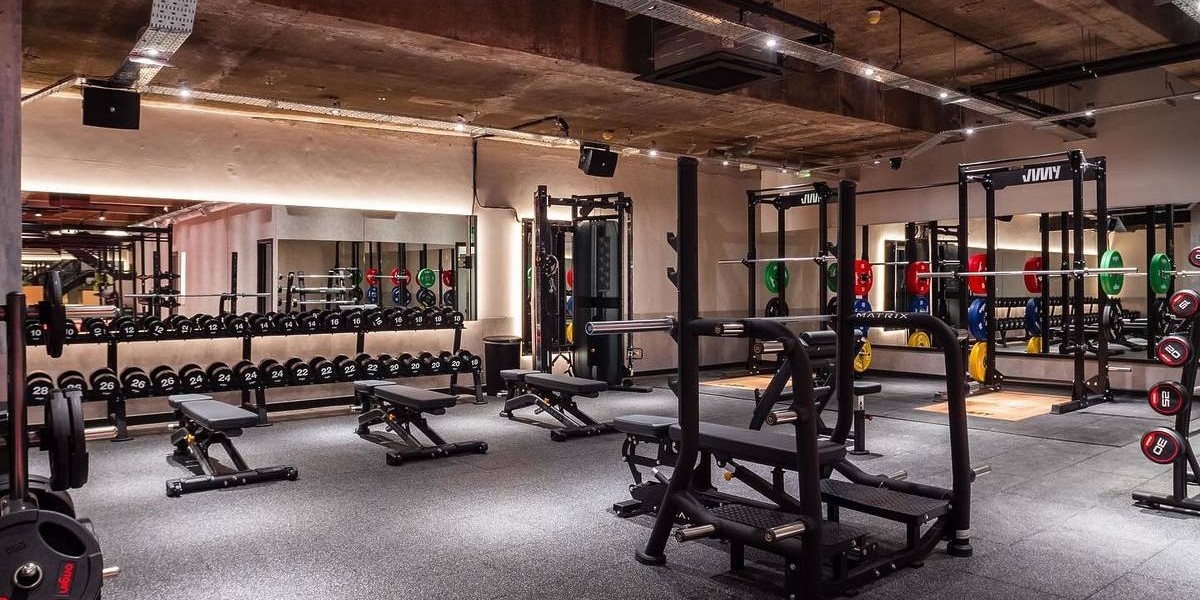


Finding the right place to train can make a significant difference to your fitness journey. In a busy city such as Manchester, people often have demanding work schedules, different fitness goals, and varying levels of training experience. As a result, choosing a structured training environment that combines professional guidance, suitable exercise programming, accountability, and measurable progress can be more valuable than simply joining a conventional gym.
A personal training gym manchester search is usually driven by people who want more than access to weights and cardio machines. They may want expert support with strength development, fat loss, athletic performance, mobility, conditioning, or general health. The right training environment should therefore focus on the individual rather than applying exactly the same routine to everyone.
Modern fitness content also needs to answer genuine user questions clearly and naturally. People want practical information about what personal training involves, how to select a suitable facility, what results are realistic, and how to maintain progress over time. For that reason, this guide explores the main factors to consider when choosing a professional training facility in Manchester.
What Makes Personal Training Different From a Standard Gym?
A traditional gym can provide excellent equipment and plenty of freedom. However, having access to equipment does not necessarily mean knowing how to use it effectively. Personal training adds structure by connecting exercises with a person's specific objectives, abilities, training history, and lifestyle.
A professional trainer can assess movement patterns, discuss goals, establish realistic milestones, and create a programme that can be adjusted as progress develops. This approach can be particularly useful for beginners who feel uncertain about exercise selection or experienced gym users who have stopped progressing.
Individualised Exercise Programming
One of the biggest advantages of personal training is individualisation. A programme designed around one person's needs may consider:
Current strength and fitness levels
Training experience
Lifestyle and daily activity
Available training time
Mobility and movement ability
Specific performance objectives
Preferred forms of exercise
Short- and long-term goals
Instead of following a generic workout found online, clients can understand why particular movements are included and how they contribute to the wider training plan.
Professional Coaching and Technique
Exercise technique matters because efficient movement can improve training quality and help people use equipment appropriately. A trainer can demonstrate movements, provide immediate feedback, and adjust exercises when a particular variation is unsuitable.
This does not mean every session has to be extremely intense. Effective coaching is often about selecting the appropriate challenge, maintaining good technique, managing fatigue, and progressing gradually.
Why Manchester Residents Are Turning Towards Structured Training
Manchester has a diverse population with different lifestyles, occupations, and fitness interests. Some people want to improve their physique, while others are more interested in becoming stronger, improving sporting performance, increasing energy, or establishing a consistent exercise routine.
A personal training gym manchester option can be especially useful for people who struggle to maintain consistency independently. Having scheduled sessions creates a stronger sense of commitment and makes exercise part of a regular routine.
Training Around a Busy Lifestyle
Modern schedules can make fitness difficult to prioritise. Work, commuting, family responsibilities, and social commitments can all compete for attention.
Structured training helps by giving exercise a defined place in the week. Rather than arriving at a gym without a plan, clients can enter a session knowing what they are working towards.
This can also reduce decision fatigue. A well-organised programme provides direction, while the trainer can modify sessions when energy levels, schedules, or training circumstances change.
Building Consistency Instead of Chasing Quick Results
Sustainable fitness rarely comes from a few extremely difficult workouts followed by long periods of inactivity. Consistency is usually more valuable.
A sensible programme can gradually develop strength, cardiovascular fitness, movement quality, and work capacity. Over time, these improvements can contribute to better physical performance and greater confidence.
How to Choose the Right Training Facility in Manchester
Not every gym or personal training environment will suit every person. Before committing to a facility, it is worth considering the quality of coaching, training philosophy, environment, equipment, communication, and approach to individual goals.
A strong facility should make it easy for potential clients to understand what they can expect before beginning.
Look for Qualified and Experienced Coaches
The trainer is one of the most important factors in the quality of a personal training experience. Qualifications provide a foundation, while practical experience, communication skills, and ongoing professional development can make coaching more effective.
Ask whether trainers have experience working with people who have goals similar to yours. Someone looking for general fitness may need a different coaching style from an athlete preparing for performance goals.
Assess the Training Environment
The atmosphere of a gym can influence motivation and comfort. Some people prefer large commercial facilities, while others perform better in smaller coaching-focused environments.
During a visit, consider whether the space feels organised, clean, welcoming, and suitable for focused training. It should also have appropriate equipment for the type of training being offered.
Ask How Progress Is Measured
Good coaching should involve more than simply completing workouts. Progress can be evaluated through relevant indicators such as:
Strength improvements
Repetition quality
Training volume
Cardiovascular capacity
Mobility
Movement control
Sporting performance
Body-composition changes where appropriate
Consistency and adherence
Not every metric is necessary for every client. The important point is that progress should be assessed according to the person's actual objectives.
What Can You Expect From Personal Training?
A first session may involve a conversation about goals, training history, lifestyle, exercise preferences, and relevant considerations. Depending on the programme, the trainer may also assess basic movement patterns and current fitness.
The purpose is not necessarily to exhaust the client on day one. Instead, the initial stage should establish a sensible starting point.
Goal Setting
Effective goals should be specific enough to guide training but realistic enough to maintain motivation.
For example, someone may want to become stronger, improve their running performance, increase general fitness, or develop greater confidence with resistance training. Each goal requires a different strategy.
Breaking a larger objective into smaller milestones can make progress easier to monitor. It also provides opportunities to adjust the programme when circumstances change.
Progressive Training
Progressive training means gradually increasing an appropriate training challenge over time. This might involve increasing resistance, improving technique, adding repetitions, adjusting training volume, or progressing towards more demanding exercises.
Progress should not be forced. A qualified trainer can determine when a client is ready for greater difficulty and when maintaining the current level is more appropriate.
Accountability and Feedback
Accountability is another important part of coached training. Regular appointments can make it easier to maintain a routine, while feedback helps clients understand what they are doing well and what needs improvement.
Over time, this can help people become more independent because they begin to understand exercise principles rather than simply copying movements.
Strength Training, Conditioning and Performance
A comprehensive training programme does not need to focus on a single type of exercise. Depending on the person's goals, sessions may combine resistance training, cardiovascular conditioning, mobility work, coordination, and performance-based movements.
Strength Development
Resistance training can help improve muscular strength and physical capacity. Beginners can benefit from learning fundamental movement patterns, while experienced trainees may require more sophisticated programming to continue progressing.
Exercises can be selected according to the individual's ability and adjusted through changes in resistance, repetitions, tempo, range of motion, or training volume.
Conditioning and Fitness
Conditioning can improve the body's ability to perform sustained or repeated physical activity. Training may involve intervals, circuits, steady-state cardiovascular work, or sport-specific conditioning.
The right approach depends on the individual. Someone training for general health does not necessarily need the same conditioning programme as a competitive athlete.
Mobility and Movement Quality
Mobility work can complement strength and conditioning by helping people move through appropriate ranges of motion. Trainers may incorporate mobility exercises as part of warm-ups, cool-downs, or specific training sessions.
Movement quality should remain relevant to the individual's activities rather than becoming a collection of exercises with no clear purpose.
Nutrition and Lifestyle Considerations
Training is only one part of a healthy lifestyle. Sleep, nutrition, hydration, daily activity, stress, and recovery can all influence how a person feels and performs.
A responsible fitness professional should avoid unrealistic promises and extreme approaches. Nutrition guidance should be appropriate to the individual's circumstances, and medical or clinical dietary issues should be referred to suitably qualified healthcare professionals or registered nutrition professionals.
Recovery Matters
Recovery allows the body to adapt to training. More exercise is not automatically better, particularly when sessions are consistently intense.
A well-designed programme considers rest days, training intensity, sleep quality, and overall workload. Adjustments may be necessary when someone is experiencing unusually high fatigue or changes in their normal routine.
Sustainable Habits
Long-term success is more likely when fitness becomes part of everyday life. Small, repeatable behaviours can be more useful than short-term extremes.
Examples include maintaining regular training sessions, staying active outside the gym, eating a balanced diet, prioritising sleep, and setting realistic expectations about the pace of progress.
How to Get Better Results From Personal Training
Choosing a quality facility is important, but the client's approach also matters. The strongest results usually come from cooperation between coach and client.
Communicate Clearly
Tell your trainer about your goals, preferences, schedule, previous training experience, and any relevant limitations. Clear communication helps the coach design sessions that are practical and appropriate.
If an exercise causes unusual discomfort or a session feels significantly different from normal, communicate this rather than simply pushing through.
Follow the Programme Consistently
Missing occasional sessions is normal, but repeated inconsistency can make progress difficult. Treat scheduled training as an appointment with yourself.
When circumstances make a session impossible, communicate early and work with the trainer to reorganise the programme.
Focus on Progress, Not Perfection
Fitness progress is rarely completely linear. Some weeks may feel easier than others, and performance can fluctuate because of sleep, stress, workload, travel, or other factors.
A long-term perspective allows temporary setbacks to remain part of the process rather than becoming a reason to stop altogether.
Questions to Ask Before Joining
Before choosing a training facility, prospective clients can ask a few practical questions.
What Are the Session Options?
Find out whether the facility offers one-to-one coaching, small-group sessions, or a combination of formats. Consider which option best matches your goals, budget, and preferred training environment.
How Is the Programme Personalised?
Ask how the trainer decides which exercises and training methods to use. A good answer should involve your goals and current ability rather than simply describing a fixed workout template.
How Is Progress Reviewed?
Understand whether the programme is reviewed regularly and how adjustments are made. Progress reviews can help ensure that training remains relevant as your ability develops.
What Support Is Available Outside Sessions?
Some facilities provide additional guidance around training habits, recovery, or general lifestyle. Clarify what is included so expectations are realistic from the beginning.
A Smarter Approach to Fitness in Manchester
The best training experience is not necessarily the facility with the largest floor space or the greatest number of machines. It is the environment that provides appropriate coaching, sensible programming, a supportive atmosphere, and a clear route towards the client's goals.
For people comparing a personal training gym manchester option, the priority should be quality rather than hype. Look for evidence of thoughtful programming, professional coaching, clear communication, realistic expectations, and a genuine commitment to helping clients improve.
It is also worth paying attention to the quality of information published online by a training facility. Useful local content should answer real questions, provide practical details, avoid exaggerated claims, and demonstrate genuine knowledge of fitness rather than relying on repetitive promotional language.
Final Thoughts
Choosing a training facility is an important decision because the right environment can make exercise more organised, purposeful, and sustainable. Whether your objective is improved strength, better conditioning, greater confidence, athletic performance, or simply establishing a consistent routine, professional coaching can provide valuable structure and accountability.
When evaluating your options, consider the trainers, training environment, programme design, progress tracking, communication, and long-term approach. Most importantly, choose a facility that treats fitness as an individual journey rather than promising identical results for everyone.
For people looking for professional coaching, structured programming, and a focused training environment in the city, Frontline Fit Performance Centre can be considered as part of the search for a suitable fitness destination. The strongest choice will ultimately be the one that matches your goals, schedule, training preferences, and commitment to sustainable progress.






