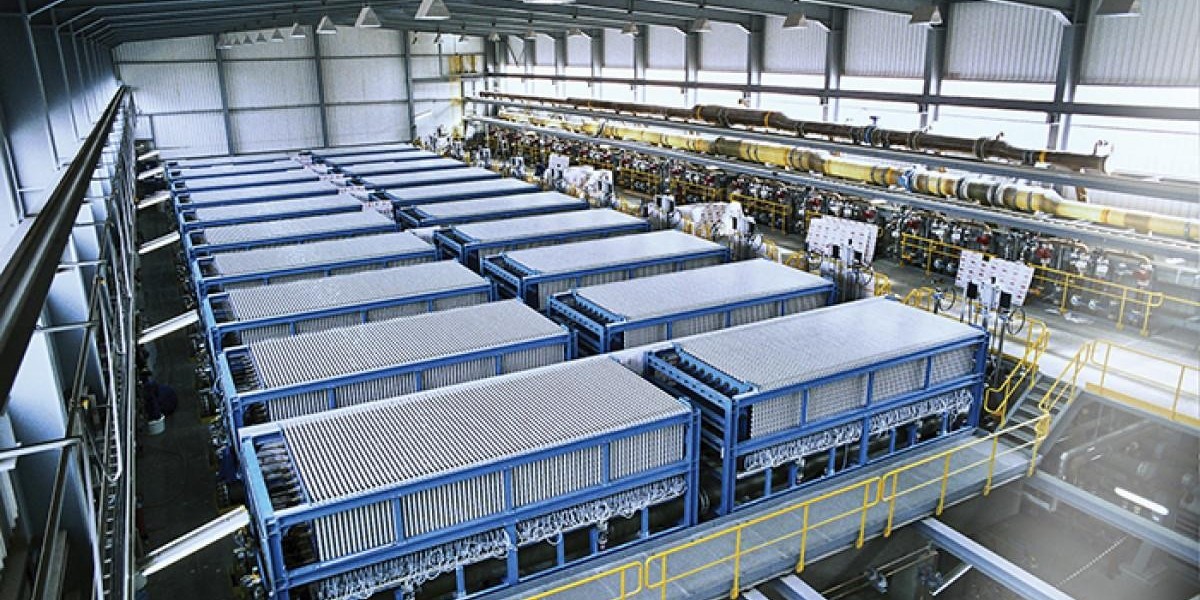


Understanding the Hydrogen Electrolyzer Market
The Hydrogen Electrolyzer Market is becoming an important component of the global transition toward cleaner energy systems. Electrolyzers use electricity to split water into hydrogen and oxygen, creating hydrogen without directly producing carbon dioxide at the point of production. As industries seek alternatives to fossil-fuel-based processes, electrolyzer technology is gaining attention across energy, chemicals, transportation, refining, metals, and industrial manufacturing.
Market intelligence in this sector requires more than tracking equipment sales. It involves understanding electricity prices, renewable energy deployment, hydrogen policies, technology maturity, project pipelines, manufacturing capacity, infrastructure development, and the evolving economics of low-carbon hydrogen. These factors collectively determine where electrolyzer demand is likely to expand and which technologies can achieve commercial scale.
Technology Landscape Shapes Market Opportunities
Electrolyzer technology is not uniform. Alkaline electrolyzers remain widely established because of their technological maturity, relatively long operating history, and suitability for large-scale hydrogen production. Proton exchange membrane, or PEM, electrolyzers offer operational flexibility and can respond rapidly to changing electricity availability, making them attractive for renewable energy integration.
Solid oxide electrolyzers represent another emerging technology category. Their ability to operate at high temperatures can provide efficiency advantages under appropriate conditions, particularly where industrial heat or steam is available. Anion exchange membrane systems are also attracting interest because they aim to combine characteristics associated with alkaline and PEM technologies.
This technological diversity creates multiple market opportunities rather than a single competitive pathway. Buyers increasingly evaluate electrolyzers according to efficiency, durability, operating flexibility, system size, maintenance requirements, electricity compatibility, and total lifecycle cost.
Renewable Energy Is a Major Demand Catalyst
The expansion of solar and wind power is closely connected to electrolyzer demand. Renewable electricity can provide the energy required for water electrolysis, allowing hydrogen producers to reduce dependence on fossil-based energy inputs. Electrolyzers can also create a pathway for using renewable electricity that might otherwise be curtailed during periods of oversupply.
However, renewable power availability alone does not guarantee project viability. Electricity pricing, utilization rates, grid access, water availability, transmission infrastructure, and hydrogen offtake agreements can significantly affect project economics. Market intelligence therefore increasingly focuses on the relationship between renewable generation assets and hydrogen production facilities.
Hybrid projects combining solar, wind, energy storage, and electrolyzers are gaining strategic importance because they can improve power management and support more consistent hydrogen production.
Industrial Decarbonization Expands Addressable Demand
Industrial users represent one of the most significant long-term opportunities for electrolyzers. Hydrogen is already used in several industrial applications, while additional demand could emerge as companies seek to reduce emissions from difficult-to-decarbonize processes.
Steel production is an important example. Hydrogen can potentially replace carbon-intensive reducing agents in certain direct-reduction processes. Chemical manufacturing, refining, ammonia production, methanol production, and specialized industrial processes can also create demand for low-carbon hydrogen.
The strongest opportunities are likely to occur where hydrogen already has an established industrial role and where emissions reduction creates a compelling reason to change production methods. This makes industrial clusters particularly important for electrolyzer deployment.
Project Scale and Manufacturing Capacity
The market is gradually shifting from smaller demonstration installations toward larger commercial projects. As project sizes increase, manufacturers must demonstrate reliable performance, standardized designs, efficient supply chains, and the ability to deliver equipment on schedule.
Manufacturing capacity is therefore becoming a strategic competitive factor. Companies capable of producing standardized electrolyzer stacks, power electronics, balance-of-plant components, and complete systems at scale may achieve advantages in cost and delivery speed.
At the same time, the expansion of manufacturing capacity can create temporary supply-demand imbalances. If equipment production grows faster than commercially viable hydrogen projects, manufacturers may face pricing pressure. Conversely, supply shortages for specialized components can increase project costs and extend deployment timelines.
Cost Intelligence Becomes Increasingly Important
Electrolyzer economics depend on several variables rather than equipment prices alone. Capital expenditure, electricity consumption, system efficiency, operating hours, financing costs, maintenance, replacement requirements, water treatment, compression, storage, and hydrogen transportation all influence the final cost of hydrogen.
Electricity is particularly influential because electrolysis requires substantial energy input. Projects located near low-cost renewable electricity can therefore have a structural advantage.
Market intelligence also considers technological improvements that can lower costs over time. Higher-performing stacks, improved catalysts, automation, better power management, longer component lifetimes, and standardized manufacturing could improve project economics and encourage broader adoption.
Policy and Regulation Influence Investment Decisions
Government policies remain an important force shaping electrolyzer deployment. Hydrogen production projects often depend on incentives, emissions standards, renewable energy rules, public funding, infrastructure programs, and carbon-reduction targets.
Policy certainty is especially important for capital-intensive projects. Developers typically require confidence that incentives and regulatory frameworks will remain sufficiently stable over the investment period. Changes in eligibility criteria, emissions accounting, renewable electricity requirements, or hydrogen certification can influence project economics.
Hydrogen certification is becoming particularly relevant as buyers increasingly want to distinguish between different production pathways and associated emissions levels. Clear certification systems can support premium markets for lower-carbon hydrogen while improving transparency across supply chains.
Competitive Intelligence and Strategic Positioning
Competition within the Hydrogen Electrolyzer Market involves more than selling electrolyzer units. Companies are increasingly competing through technology performance, manufacturing scale, project partnerships, engineering capabilities, service networks, financing relationships, and integrated hydrogen solutions.
Strategic partnerships can help technology providers enter new regions and secure large projects. Collaborations between electrolyzer manufacturers, renewable energy developers, utilities, industrial companies, engineering firms, and hydrogen distributors can reduce project execution barriers.
Vertical integration is another competitive consideration. Companies that can provide electrolyzers alongside engineering, installation, control systems, maintenance, and hydrogen infrastructure may offer customers a more comprehensive solution.
Regional Market Intelligence
Regional opportunities differ considerably. Countries with abundant renewable resources may focus on producing hydrogen for domestic industries and exports. Industrial economies with established chemical, steel, refining, and manufacturing sectors may prioritize replacing conventional hydrogen and reducing industrial emissions.
Regions with strong renewable energy expansion can offer favorable conditions for electrolyzer deployment, while areas with high electricity costs may face greater challenges unless policy support or specialized industrial applications improve project economics.
Infrastructure development is another regional differentiator. Hydrogen pipelines, storage facilities, ports, transportation networks, renewable generation, and industrial clusters can significantly influence where electrolyzer projects become commercially attractive.
Key Challenges to Monitor
Despite its potential, the market faces several barriers. High upfront costs remain a concern, particularly for projects without long-term hydrogen offtake agreements. Electricity costs, equipment durability, water requirements, permitting, infrastructure limitations, and uncertainty around hydrogen demand can delay investment.
Technology degradation is another important consideration. Electrolyzer performance can decline over time, and replacement costs must be incorporated into lifecycle economics. Developers therefore increasingly evaluate reliability and long-term operating performance rather than focusing solely on initial efficiency.
A shortage of skilled personnel and specialized components could also become a constraint as project deployment accelerates.
Future Market Intelligence Outlook
The future direction of the Hydrogen Electrolyzer Market will depend on the convergence of technology, renewable energy, industrial demand, infrastructure, and supportive policy frameworks. The market is expected to become increasingly data-driven as investors and developers compare projects based on levelized hydrogen costs, utilization rates, electricity sourcing, emissions performance, and operational reliability.
The most competitive solutions will likely combine high efficiency with flexible operation, scalable manufacturing, dependable service, and integration with renewable power. As the industry progresses from pilot projects toward larger commercial deployments, market intelligence will play an increasingly important role in identifying viable applications, assessing competitive positioning, and understanding investment risks.
Ultimately, electrolyzers are positioned to become an important enabling technology for cleaner hydrogen production. Their growth will depend not simply on technological advancement, but on whether the broader hydrogen ecosystem can develop economically sustainable demand, reliable infrastructure, affordable renewable electricity, and durable commercial frameworks.






