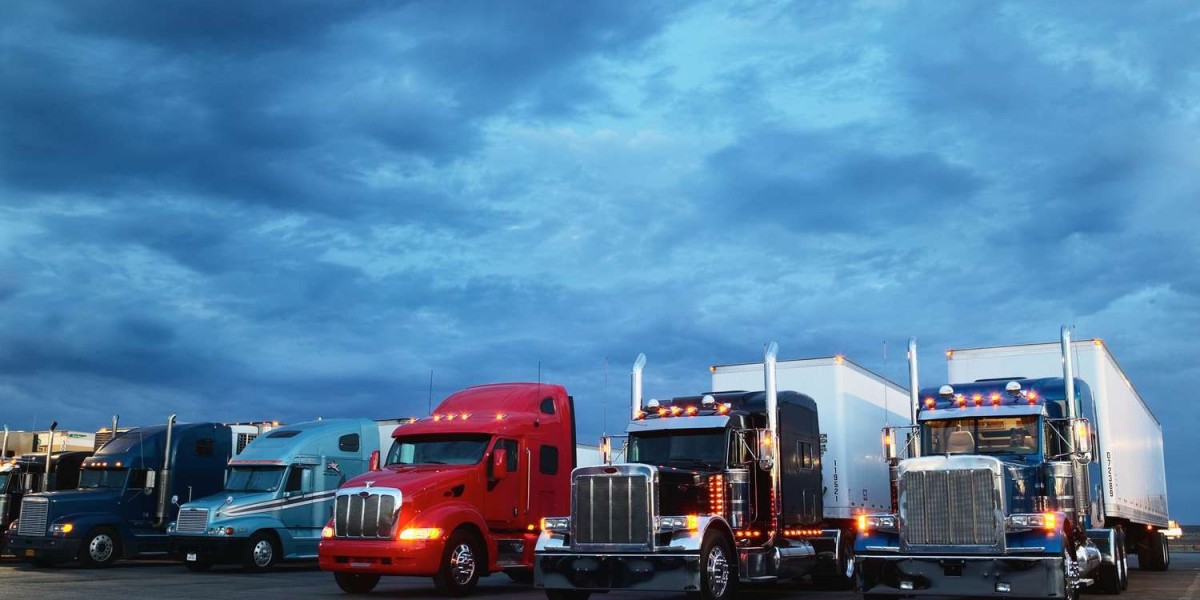


Efficient transportation is a critical part of modern business operations. Products, inventory, equipment, documents, and supplies all need to move from one location to another safely and on schedule. For businesses of every size, having a dependable transportation strategy can improve fulfillment, support customer satisfaction, and help keep daily operations running smoothly.
As supply chains become more complex, many businesses choose to work with professional logistics providers instead of managing every transportation requirement internally. From local deliveries to regional distribution and specialized transportation, the right provider can offer services that match the company's operational needs.
Understanding the different options available can help businesses choose a transportation partner that supports both current requirements and future growth.
What Are Logistics Transportation Services?
Logistics transportation services involve the movement of goods and shipments between different locations as part of a company's supply chain.
Transportation can include local courier delivery, regional trucking, freight transportation, scheduled deliveries, dedicated transportation, and final-mile delivery.
The appropriate service depends on factors such as shipment size, distance, urgency, product type, and destination.
For example, a small parcel may require courier transportation, while a palletized commercial shipment may need a truck. Larger or specialized freight may require specific equipment.
Why Transportation Is Important for Businesses
Transportation connects suppliers, warehouses, businesses, retailers, and customers.
A delay at one point in the supply chain can affect several other operations. Inventory may not arrive on time, production can be interrupted, or customers may experience delayed orders.
Reliable transportation can help businesses maintain a predictable flow of goods.
It can also support better inventory management by ensuring products reach warehouses, stores, and customers according to planned schedules.
Understanding Different Logistics Services
The term logistics services covers more than just trucking.
Depending on the provider, businesses may have access to:
Same-day delivery
Next-day delivery
Dedicated courier services
Warehousing
Distribution
Package sorting
Final-mile delivery
Mid-mile transportation
Freight services
E-commerce fulfillment
Scheduled transportation
Not every business needs all of these solutions.
The best approach is to identify the specific transportation challenges the company needs to solve and then select services accordingly.
Local Logistics for Businesses
Many companies primarily need transportation within their local area.
Retailers may deliver products to nearby customers, offices may exchange documents between locations, and businesses may need inventory transferred between local facilities.
A local logistics company can provide transportation designed around the requirements of a particular market.
Local providers may also have knowledge of nearby commercial districts, warehouses, residential areas, and common delivery routes.
This local knowledge can be valuable when timing and route efficiency matter.
Why Local Transportation Matters
Local transportation can support several business activities.
A retailer may offer same-day delivery within its city. A manufacturer may need components moved between facilities. An e-commerce company may require local final-mile fulfillment.
Working with a provider familiar with the local area can make these operations easier to coordinate.
For businesses with recurring routes, a local transportation partner may also be able to develop scheduled pickup and delivery arrangements.
Logistics Services Canada Businesses Can Use
Businesses with customers or suppliers in different regions need transportation that can support broader geographic requirements.
Logistics services Canada businesses provide can include local, regional, and longer-distance transportation depending on the provider's network.
Before selecting a provider, businesses should identify where their shipments originate and where they need to go.
A company that currently operates locally may eventually expand into additional provinces. Choosing a provider with scalable service coverage can make future expansion easier.
Same-Day Delivery
Some shipments cannot wait until the next business day.
Same-day transportation can be useful for urgent customer orders, documents, replacement parts, retail deliveries, and other time-sensitive shipments.
Businesses considering same-day transportation should confirm cutoff times and service areas.
Same-day delivery may also be used as a premium option for customers who are willing to pay more for faster fulfillment.
Next-Day Delivery
Next-day delivery provides a faster alternative to standard shipping without requiring same-day transportation.
It can be useful for e-commerce orders, inventory transfers, business documents, and products that customers need relatively quickly.
Businesses should confirm exactly what the provider means by next-day service.
Some providers may offer delivery by the end of the following business day, while others may offer more specific delivery windows.
Dedicated Transportation
Some shipments require more control than standard delivery.
A business may need a direct vehicle, scheduled pickup, specific delivery appointment, or recurring route.
Dedicated transportation can be arranged around these requirements.
This can be particularly useful for urgent freight, high-priority shipments, specialized products, and regular business-to-business transportation.
Warehousing and Distribution
Transportation is often connected to storage and inventory management.
A business may receive products from suppliers and store them before distributing them to stores or customers.
Warehousing services can provide the space and operational support needed to manage inventory.
Distribution then connects stored products with their destinations.
Combining transportation, warehousing, and distribution can simplify the supply chain for growing businesses.
Final-Mile Transportation
Final-mile delivery is the stage where a shipment reaches its final destination.
For e-commerce businesses, this can be one of the most important parts of the customer experience.
Accurate addresses, route planning, delivery timing, tracking, and proof of delivery can all influence how customers perceive a business.
A logistics provider with strong final-mile capabilities can help companies create a more consistent delivery process.
Package Sortation
Businesses with high shipping volumes may also require package sortation.
Sorting involves organizing parcels according to destination, route, carrier, priority, or other requirements before transportation.
Efficient sorting can help warehouses process orders more quickly and reduce the chance of packages being routed incorrectly.
For e-commerce businesses, sorting can be an important link between fulfillment and final-mile delivery.
Choosing the Right Local Provider
When researching a local logistics company, businesses should consider more than proximity.
A provider should have suitable vehicles, service coverage, tracking capabilities, customer support, and experience with the company's type of freight.
Businesses should also evaluate whether the provider can support growth.
A company that starts with ten deliveries per week may eventually need hundreds. Choosing a provider with scalable resources can prevent future transportation challenges.
Service Coverage Is Important
Businesses should confirm exactly where a logistics provider operates.
A company may specialize in local GTA deliveries, regional Ontario transportation, or broader Canadian service.
The right provider depends on the company's shipping network.
For businesses that expect to expand, it can be beneficial to choose a provider capable of supporting additional destinations as required.
Technology and Shipment Tracking
Modern logistics depends increasingly on technology.
Tracking systems can provide businesses with visibility into shipment progress, pickup status, and delivery confirmation.
Digital information can also help customer service teams answer questions more quickly.
When comparing logistics providers, businesses should ask what tracking tools are available and whether shipment information can be accessed easily.
Communication Matters
Transportation problems can sometimes occur even with careful planning.
Traffic, weather, incorrect addresses, loading delays, and scheduling changes can all affect delivery.
A responsive logistics provider should communicate clearly when an issue arises.
Businesses should look for providers that offer accessible customer support and clear communication throughout the transportation process.
Reliability Over Speed
Fast delivery is valuable, but reliability should come first.
A provider that promises a quick delivery but frequently misses its delivery windows may create more problems than it solves.
Businesses should evaluate the provider's overall ability to manage pickups, transportation, tracking, and delivery consistently.
Dependable service can help companies establish realistic delivery expectations with customers.
Matching Transportation to Shipment Type
Different products require different transportation solutions.
Standard packaged goods may be suitable for enclosed vehicles.
Large machinery or construction materials may require flatbed transportation.
Temperature-sensitive products may require refrigerated equipment.
Fragile or high-value shipments may require additional handling procedures.
Businesses should provide accurate information about their freight so the logistics provider can determine the appropriate transportation method.
Managing Logistics Costs
Transportation is an important business expense.
However, companies should avoid selecting providers solely because they offer the lowest rate.
The overall value of a logistics service includes reliability, coverage, tracking, customer support, equipment, delivery speed, and flexibility.
A slightly higher transportation cost may be worthwhile if it reduces delays and improves the customer experience.
Businesses should also review any additional charges for fuel, storage, special handling, urgent delivery, additional stops, or other services.
Scalability and Business Growth
A logistics strategy should account for future growth.
As businesses expand, they may serve more customers, open additional locations, or increase their product range.
Shipping volumes may also change seasonally.
A scalable transportation provider can help businesses respond to these changes without completely redesigning their supply chain.
Before signing an agreement, ask whether the provider can handle higher volumes and additional delivery locations.
Outsourcing Transportation
Managing transportation internally requires considerable resources.
Businesses may need their own vehicles, drivers, dispatchers, tracking systems, insurance, maintenance, and administrative support.
Outsourcing can provide access to professional transportation resources without requiring the business to build this infrastructure itself.
This can be especially helpful for companies that want to focus on their core operations.
Logistics for E-Commerce
E-commerce businesses have specific transportation requirements.
Products may move from manufacturers to warehouses, from warehouses to fulfillment centres, and finally to customers.
The delivery process may also involve returns, exchanges, and multiple service levels.
A logistics provider can support these operations through warehousing, package sortation, final-mile delivery, and expedited transportation.
Logistics for Retailers
Retail businesses often need regular movement of inventory between warehouses and stores.
A reliable transportation partner can help coordinate scheduled replenishment and urgent transfers.
Local transportation can be particularly useful for retailers that serve customers within a concentrated geographic area.
Logistics for Manufacturers
Manufacturers may need transportation for raw materials, components, finished products, and machinery.
The timing of these shipments can be closely connected to production schedules.
A dependable logistics provider can help coordinate transportation according to manufacturing requirements and delivery commitments.
Questions to Ask Before Choosing a Provider
Before selecting a logistics provider, businesses should ask:
What areas do you serve?
What types of shipments do you handle?
Do you offer same-day and next-day delivery?
Do you provide dedicated transportation?
Are warehousing services available?
Is shipment tracking included?
How do you handle delivery delays?
Can you accommodate recurring routes?
Can your services scale with our business?
What additional charges should we expect?
The answers can help businesses compare providers more effectively.
Building a Strong Transportation Strategy
A successful logistics strategy is rarely based on a single service.
Businesses can combine different transportation options based on shipment requirements.
Standard transportation can handle routine deliveries, same-day service can support urgent local orders, next-day delivery can provide faster regional fulfillment, and dedicated transportation can address specialized requirements.
Warehousing, sorting, and distribution can then connect these transportation services into a broader supply chain.
Final Thoughts
Reliable transportation is essential for businesses that depend on the movement of products, parcels, equipment, and supplies.
The right logistics transportation services can help businesses improve fulfillment, manage inventory, support customers, and coordinate supply chain activities more efficiently.
When evaluating logistics services Canada providers, businesses should consider service coverage, transportation capacity, tracking, reliability, customer support, technology, pricing, and scalability.
For companies that primarily operate in one region, a local logistics company can provide valuable flexibility and local knowledge while supporting recurring transportation requirements.
Ultimately, the best logistics partner is the provider that understands the company's specific needs and can offer dependable services as those needs evolve.
Whether a business requires courier transportation, freight movement, warehousing, distribution, final-mile delivery, or expedited shipping, careful planning can help create a more reliable supply chain and a better experience for both businesses and their customers.






