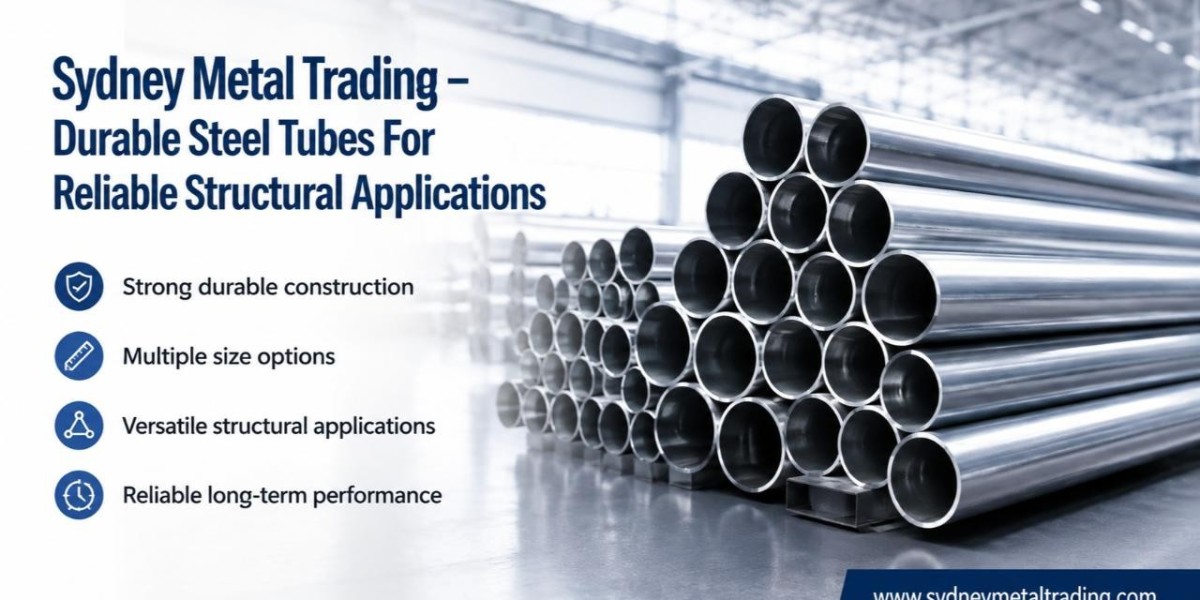


When you look up at a soaring skyscraper or cross a massive span of bridge, you are staring directly at the invisible skeleton holding our modern world together. Among all the structural materials available today, high-strength Steel Tubes have completely changed how we build. Engineers and architects love these hollow components because they give you maximum structural strength without adding unnecessary bulk. Whether you are building a small commercial warehouse, a residential complex, or a high-rise tower, using Steel Tubes can transform a heavy, cumbersome design into a sleek, efficient structure that stands the test of time.
Key Features of High-Strength Structural Tubing
What makes these hollow profiles so special compared to traditional solid beams or open channels? The secret lies in their geometry and advanced metallurgical design.
Unlike flat plates or I-beams, a hollow closed profile distributes loads evenly across its surface. This unique shape provides exceptional resistance to torsional twisting, bending, and compression forces. Because high-strength variants are alloyed and heat-treated to hold heavy weight while maintaining a thinner wall, they drastically cut down on the overall dead weight of a building. Less weight means lower foundation costs, cheaper transportation, and faster assembly times on the job site.
Here is a breakdown of why builders prefer them over standard profiles:
Exceptional Load Bearing: Exceptional strength-to-weight ratio allows for much wider open spaces without requiring intrusive center support columns.
Torsion Resistance: High resistance to twisting forces makes them ideal for building high-wind framing and crane supports.
Aerodynamic Shape: Smooth, rounded, or uniform flat surfaces reduce wind resistance on outdoor structures like towers and stadium roofs.
Space Savings: Compact dimensions leave more usable floor space inside a building while keeping structural framing hidden inside walls.
Versatile Joining: Easy to weld, bolt, or connect using cast steel fittings for quick framing on-site.
Creative Structural Applications in Modern Building Design
Beyond basic column work, these versatile components are making massive waves in modern architecture. Because they combine clean aesthetic lines with heavy-duty capacity, designers no longer have to hide the structural framework inside drywall. Instead, structural frames are frequently left exposed as a dramatic design element.
In massive commercial structures like airport terminals, sports stadiums, and convention centers, long-span roof trusses rely on hollow tubular networks to cover huge distances. Because the interior of the tube is empty, builders can also run electrical conduits, fluid lines, or mechanical cables directly through the framework, keeping mechanical systems neat, organized, and protected from the elements.
When it comes to seismic resistance, hollow high-performance tubing performs exceptionally well during earthquakes. Their inherent ductility allows them to flex, absorb, and dissipate kinetic energy without catastrophic snapping or sudden structural failure.
Innovative Modular and Pre-Engineered Construction Methods
The modern construction industry is moving away from traditional site-built framing in favor of fast off-site prefabrication. High-strength tubular steel members are playing a major role in this modular revolution. Factory workers cut, weld, and pre-assemble structural modules inside controlled factory settings, which are then shipped directly to the building site for rapid assembly.
Because tubes have uniform outer dimensions and predictable wall thickness, they are extremely easy to cut using computerized laser machinery. This precision guarantees that prefabricated wall panels, stair cores, and roof modules fit together on the construction site with pinpoint accuracy.
Using prefabricated modular units built from hollow structural sections reduces project delays caused by bad weather, minimizes material waste on the construction site, and keeps worker safety at an all-time high. From temporary staging frames and heavy scaffolding to permanent modular housing units, tubular steel components provide the dependable backbone needed for high-speed construction.
Sustainable Practices and Long-Term Efficiency
Sustainability is no longer an afterthought in the construction world; it is a core requirement. High-performance tubular framework fits right into green building initiatives. Steel is one of the most recycled materials on earth, meaning components can be melted down and repurposed endlessly without losing structural integrity.
Because high-strength materials allow engineers to design lighter frames using less raw material, the carbon footprint associated with manufacturing and transport drops significantly. Additionally, when protective coatings, hot-dip galvanizing, or specialized paints are applied to the surface, these components resist rust, moisture, and chemical corrosion for decades, requiring minimal maintenance throughout the lifespan of the building.
Choosing the Right Structural Materials for Your Project
Selecting the right materials for a job requires balancing strength, flexibility, cost, and longevity. High-strength tubular profiles consistently deliver long-term value by speeding up construction schedules, reducing structural mass, and opening up fresh architectural possibilities. Whether you are aiming to build long open spans, earthquake-resilient framing, or sleek modern facades, these components provide the reliability your project demands. For top-tier construction projects, sourcing verified quality materials from a trusted supplier like Sydney Metal Trading LLC ensures your structure is built on a foundation of uncompromised strength and durability.






