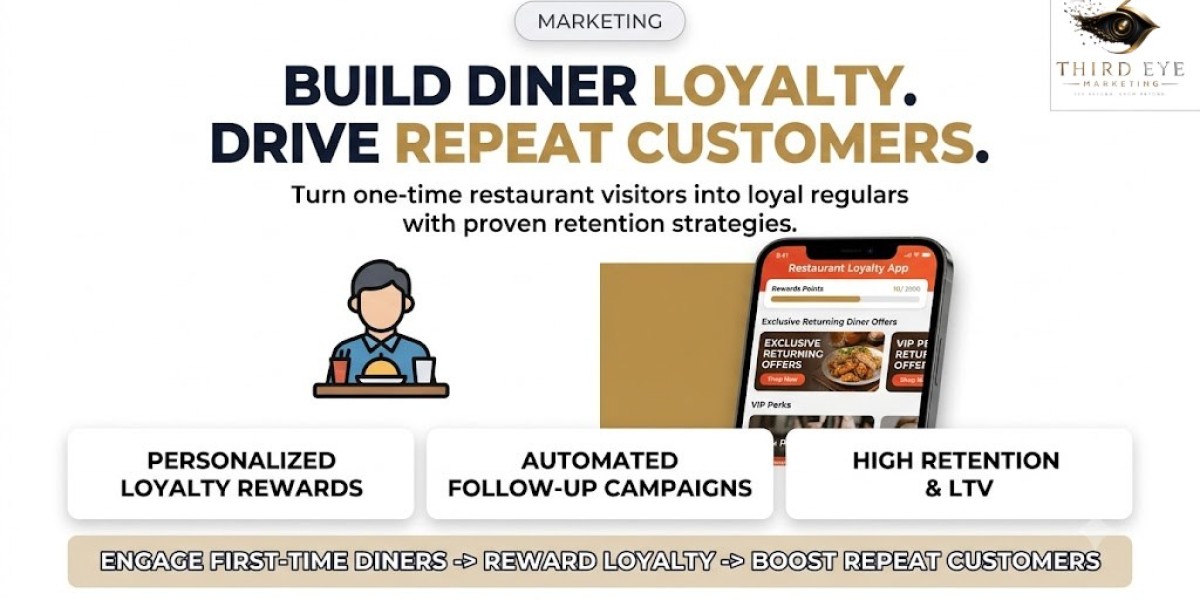


Customer Retention for Restaurants: How to Turn First-Time Diners Into Repeat Customers
Getting a customer through the restaurant door for the first time is an achievement. Turning that customer into someone who returns regularly is where long-term growth becomes much more sustainable.
Restaurants often focus heavily on attracting new customers through Google Ads, social media, promotions, influencers, and local SEO. These channels are important, but acquisition is only one part of the equation.
If a restaurant continually spends money to replace customers who never return, marketing costs can rise while profitability remains under pressure.
Effective customer retention changes the equation.
The objective is to create an experience that makes customers want to come back, then use relevant communication, loyalty programs, personalization, and customer engagement to give them additional reasons to return.
For restaurants in Vancouver, Surrey, Chilliwack, and across British Columbia, a strong retention strategy can turn:
First Visit → Positive Experience → Second Visit → Habit → Loyalty → Higher Customer Lifetime Value.
TL;DR: How Restaurants Can Increase Customer Retention
Restaurants can turn first-time diners into repeat customers by:
Delivering a consistently excellent experience
Collecting genuine customer feedback
Building customer relationships after the first visit
Creating relevant loyalty programs
Personalizing offers and communications
Using email and SMS marketing appropriately
Re-engaging inactive customers
Promoting new menu items and experiences
Creating reasons to visit again
Tracking repeat purchase behaviour
Improving customer engagement
Measuring customer lifetime value
The goal isn't to give every customer a discount.
It is to build a relationship strong enough that customers choose to return.
Why Customer Retention Matters for Restaurants
Customer acquisition can be expensive.
A restaurant may invest in:
Google Ads
Social media advertising
SEO
Influencer marketing
Promotions
Content creation
Local marketing
But if customers visit once and disappear, the restaurant must constantly find new people to replace them.
Retention creates a different model.
Imagine a customer visits a restaurant for the first time.
They have a great experience.
They return next month.
Then again two weeks later.
Then bring a friend.
Then book a birthday dinner.
That one customer can become significantly more valuable over time.
This is why customer lifetime value is such an important metric.
1. Start With the Customer Experience
No retention campaign can compensate for a consistently poor customer experience.
Before implementing sophisticated customer retention strategies, restaurants should evaluate:
Food quality
Service
Cleanliness
Waiting times
Atmosphere
Staff interaction
Ordering experience
Reservation process
Pricing transparency
The first visit should give customers a reason to want a second visit.
Marketing can encourage a return.
But the experience creates the foundation for it.
2. Give Customers a Reason to Come Back
Customers need a reason to return.
That reason could be:
A new menu
Seasonal dishes
Weekend brunch
Live events
Chef specials
Loyalty rewards
Exclusive experiences
Special occasions
New beverages or desserts
The goal is to create ongoing interest.
Instead of communicating:
“Come back and spend more.”
restaurants can communicate:
“There's something new waiting for you.”
That is a more compelling retention strategy.
3. Build a Restaurant Loyalty Program
A restaurant loyalty program can give customers an additional incentive to return.
Common models include:
Points-Based Programs
Customers earn points from purchases and redeem rewards.
Visit-Based Programs
Customers receive a reward after a certain number of visits.
Membership Programs
Customers receive exclusive benefits for joining.
Experiential Loyalty
Customers receive access to special events, tastings, or experiences.
There isn't one universal model.
The program should fit the restaurant's customers, pricing, margins, and brand positioning.
4. Restaurant Loyalty Programs Should Feel Valuable
A loyalty program shouldn't become complicated.
Customers should understand:
How do I earn?
What do I get?
When can I use it?
If the process is confusing, participation may decline.
Restaurants can also avoid making discounts the only reward.
Other benefits can include:
Priority reservations
Birthday rewards
Exclusive menu access
Early event invitations
Complimentary upgrades
Members-only experiences
This can make loyalty feel more like membership than constant discounting.
5. Use Customer Loyalty Marketing
Customer loyalty marketing is broader than a loyalty card or points system.
It includes communication designed to strengthen the relationship between a business and its existing customers.
Examples include:
Personalized emails
Birthday messages
New menu announcements
Event invitations
Loyalty updates
Customer appreciation campaigns
Re-engagement campaigns
The goal is to remain relevant without becoming intrusive.
6. Develop Customer Loyalty Strategies Around Behaviour
Not every customer should receive the same message.
Effective customer loyalty strategies can segment customers into groups.
New Customers
Encourage their second visit.
Frequent Customers
Reward continued loyalty.
High-Value Customers
Offer premium experiences.
Inactive Customers
Create a relevant reason to return.
Event Customers
Encourage future event bookings.
This makes communication more relevant and can improve marketing efficiency.
7. Use Repeat Customer Marketing
Repeat customer marketing focuses specifically on encouraging customers who have already visited to return.
For example:
A customer orders brunch.
Later, they receive information about a new brunch menu.
A customer attends a special event.
Later, they receive an invitation to another relevant event.
A customer frequently orders a particular dish.
They receive information about a related seasonal offering.
This is more effective than sending the same generic promotion to everyone.
8. Re-Engage Customers Who Have Stopped Visiting
Some customers don't leave because they dislike the restaurant.
They simply forget.
People get busy.
Their routines change.
Competitors attract their attention.
A thoughtful re-engagement campaign can remind inactive customers that the restaurant still exists.
Examples include:
“It's been a while—discover what's new.”
or:
“Our seasonal menu has arrived.”
The message should focus on value and relevance rather than pressure.
9. Increase Customer Engagement
Strong customer engagement strategies help restaurants stay connected with customers between visits.
Engagement can happen through:
Instagram
Facebook
Email
SMS
Loyalty platforms
Events
Community activities
Content can showcase:
Behind-the-scenes moments
New dishes
Staff stories
Customer experiences
Restaurant events
Seasonal offerings
The objective is to keep the brand memorable.
10. Use Reviews as a Retention Tool
Reviews aren't only for attracting new customers.
They can also reinforce relationships with existing customers.
When customers leave positive feedback, restaurants can thank them and continue engaging with them appropriately.
When customers leave negative feedback, businesses can use it to identify opportunities to improve.
Better customer experiences can lead to better retention.
The cycle becomes:
Feedback → Improvement → Better Experience → Repeat Visit.
11. Connect Retention With Conversion Optimization
A conversion optimization agency can help restaurants improve the customer journey beyond the first purchase.
Conversion optimization isn't limited to getting someone to make their first booking.
It can also improve:
Loyalty sign-ups
Email subscriptions
Repeat orders
Event bookings
Catering inquiries
Reservation completion
Re-engagement campaigns
The objective is to increase the percentage of customers who take valuable actions.
12. Measure Customer Lifetime Value
Customer lifetime value helps restaurants understand how valuable customers can become over time.
For example, imagine:
A customer spends $50 on their first visit.
If they return five more times and spend approximately $50 each visit, their relationship with the restaurant is worth significantly more than the original $50 transaction.
This changes how restaurants evaluate marketing.
Instead of asking:
“How much did we spend to acquire this customer?”
also ask:
“How much value did this customer generate over time?”
Retention can therefore improve the economics of customer acquisition.
13. Customer Retention Services Can Build a Complete System
Professional customer retention services may include:
Loyalty program strategy
CRM segmentation
Email marketing
SMS campaigns
Re-engagement campaigns
Customer journey mapping
Personalization
Analytics
Conversion optimization
Retention reporting
The most effective strategy connects these activities with acquisition channels.
A customer acquired through Google Ads can eventually become a loyal customer through retention marketing.
14. Restaurant Loyalty Marketing Should Work With Acquisition
Retention shouldn't operate separately from restaurant marketing.
The complete funnel can look like:
SEO / Google Ads / Social Media
↓
First-Time Customer
↓
Excellent Experience
↓
Loyalty Program
↓
Email / SMS / Social Engagement
↓
Repeat Visit
↓
Higher Customer Lifetime Value
This makes acquisition and retention complementary rather than competing priorities.
15. How a Marketing Agency Can Help
Restaurants may manage basic retention activities internally, but a professional marketing partner can connect retention with the wider digital ecosystem.
A marketing agency Canada can potentially support:
SEO
Local SEO
Paid advertising
Social media
Email marketing
Customer retention
Loyalty marketing
Conversion optimization
Analytics
For local restaurants, working with a marketing agency Vancouver can also provide a stronger understanding of local market conditions and customer behaviour.
Businesses comparing marketing firms Vancouver should evaluate whether the agency can connect marketing activity to measurable business outcomes.
16. Personalization Can Make Retention More Effective
Customers don't want irrelevant messages.
A restaurant can use available first-party customer information responsibly to make communication more relevant.
For example:
Frequent brunch customer → Brunch-related updates
Event customer → Future event announcements
Loyal customer → Exclusive appreciation benefit
The goal is not to overwhelm customers with data-driven messaging.
It's to make communication more useful.
Privacy requirements and platform policies should always be respected.
17. Build Loyalty Beyond Discounts
One of the biggest retention mistakes is assuming every customer needs a coupon.
Loyalty can come from:
Recognition + Experience + Convenience + Community + Rewards.
For example:
Remembering preferences
Making reservations easier
Offering exclusive experiences
Creating community events
Providing personalized recommendations
These strategies can strengthen emotional loyalty without constantly reducing prices.
Why Third Eye Marketing?
Third Eye Marketing approaches restaurant growth as a complete customer lifecycle rather than focusing only on customer acquisition.
The strategy can connect:
SEO + Local SEO + Google Business Profile + Paid Advertising + Social Media + Content + Reputation Management + Conversion Optimization + Customer Retention + Loyalty Marketing.
For restaurants in Vancouver, Surrey, Chilliwack, and British Columbia, the objective is to help businesses move customers through the entire journey:
Discover → Visit → Trust → Return → Engage → Become Loyal → Recommend.
The focus isn't simply on generating more first-time customers.
It's on building a stronger system for:
Customer Acquisition + Customer Retention + Customer Lifetime Value + Sustainable Business Growth.
Common Customer Retention Mistakes Restaurants Should Avoid
Only focusing on new customers
Existing customers are an important growth asset.
Discounting too frequently
Constant promotions can reduce perceived value and profitability.
Making loyalty programs complicated
Customers should understand rewards immediately.
Sending generic messages
Relevant communication is generally more useful than mass promotions.
Ignoring customer feedback
Feedback can reveal opportunities for improvement.
Not measuring repeat visits
Retention cannot be improved effectively without tracking behaviour.
Forgetting the customer experience
Marketing cannot permanently compensate for poor service or inconsistent food quality.
The Restaurant Customer Retention Funnel
A strong retention strategy can follow:
First-Time Customer
↓
Excellent Experience
↓
Customer Feedback
↓
Loyalty Enrollment
↓
Personalized Engagement
↓
Second Visit
↓
Repeat Customer
↓
Loyal Customer
↓
Higher Customer Lifetime Value
↓
Referral / Recommendation
This creates a sustainable growth loop.
Final Takeaway
Customer retention is one of the most important opportunities for restaurants looking to build sustainable growth.
The goal isn't simply to get customers through the door once.
It's to give them enough value, trust, convenience, and memorable experiences that they choose to return.
For restaurants in Vancouver, Surrey, Chilliwack, and British Columbia, effective customer retention strategies can combine:
Excellent Customer Experience + Loyalty Programs + Customer Loyalty Marketing + Repeat Customer Marketing + Customer Engagement + Conversion Optimization.
When connected with SEO, paid advertising, social media, and local marketing, retention can create a stronger business model:
More Repeat Customers → Higher Customer Lifetime Value → Lower Dependence on Constant Acquisition → More Predictable Revenue → Sustainable Growth.
If your restaurant wants to build a retention strategy that turns first-time diners into repeat customers, Third Eye Marketing can help connect customer acquisition, conversion, loyalty, and long-term growth.
Book a FREE consultation with Third Eye Marketing.
Third Eye Marketing
? +1 236-880-3783
? thirdeyemarketing.ca
High-Intent FAQs
1. What is customer retention for restaurants?
Restaurant customer retention is the process of encouraging existing diners to return, engage with the brand, and become loyal customers. It combines customer experience, communication, loyalty programs, personalization, and re-engagement.
2. How can restaurants turn first-time diners into repeat customers?
Restaurants can encourage repeat visits by providing an excellent first experience, creating relevant reasons to return, implementing loyalty programs, collecting feedback, personalizing communication, and maintaining ongoing customer engagement.
3. Are restaurant loyalty programs effective?
A well-designed restaurant loyalty program can encourage repeat visits by providing customers with meaningful rewards or experiences. The program should be simple to understand and financially sustainable for the restaurant.
4. What is customer lifetime value for a restaurant?
Customer lifetime value represents the estimated value a customer generates throughout their relationship with a restaurant. Tracking it helps businesses understand the long-term impact of retention rather than evaluating customers only based on their first purchase.
5. How can a marketing agency improve restaurant customer retention?
A marketing agency can connect loyalty programs, customer engagement, email or SMS marketing, conversion optimization, social media, SEO, paid advertising, analytics, and re-engagement campaigns to create a complete customer retention strategy.









