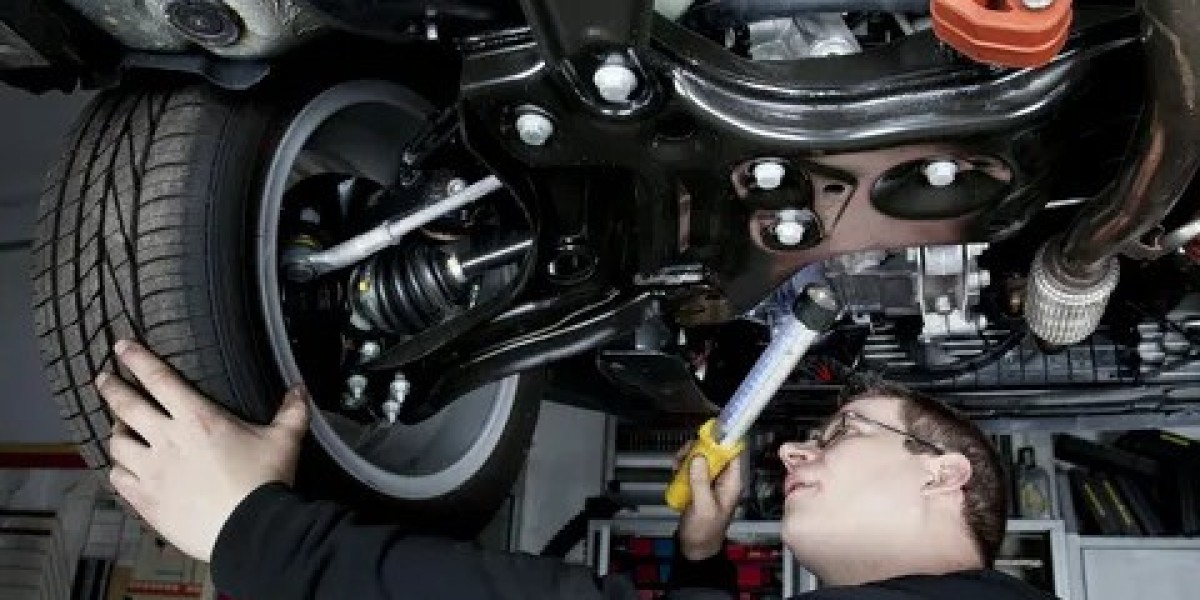


Modern automotive design relies heavily on interconnected suspension systems to balance vehicle stability, tire contact, and passenger comfort. ZinQ Garage offers comprehensive mechanical repair solutions across the UAE, using advanced diagnostic technology and certified technicians to restore front and rear undercarriage assemblies to factory standards. The suspension setup serves as the primary barrier between road irregularities and the passenger cabin, comprising shock absorbers, struts, coil springs, control arms, ball joints, sway bars, and rubber bushings. When operating smoothly, these parts keep your tires firmly planted against asphalt surfaces, absorb road shocks, and prevent excessive body roll during high-speed cornering or sudden lane changes.
Operating a motor vehicle across the Middle Eastern climate subjects undercarriage components to continuous wear and thermal strain. The combination of intense summer heat, fine airborne desert dust, and frequent travel across speed humps or fast expressways accelerates component fatigue. High thermal cycles degrade rubber suspension bushings and hydraulic strut seals, causing fluid loss and loose mechanical connections. Postponing routine inspection and necessary car suspension repair UAE services reduces handling responsiveness, increases stopping distances, and accelerates premature tire wear across both axles.
Key Indicators That Your Vehicle Needs Suspension Repairs
Recognizing early warning signs of undercarriage wear allows drivers to address minor mechanical play before it escalates into compromised vehicle control. One of the most obvious indicators is a noticeable change in ride quality, where the vehicle feels unusually bumpy, continues to bounce multiple times after crossing road depressions, or bottoms out when carrying passengers.
Changes in handling dynamics and unusual chassis feedback also signal mechanical fatigue:
Excessive Body Lean and Nose-Diving: The vehicle leans heavily during turns or dips forward sharply under moderate to heavy braking, indicating worn shock absorbers or struts.
Steering Wheel Pulling and Misalignment: The car drifts or pulls toward one side while driving on straight roads, pointing to damaged control arm bushings or bent steering linkages.
Unusual Undercarriage Noise: Clunking, squeaking, or knocking sounds when driving over speed humps or uneven roads indicate worn sway bar links, dry ball joints, or split rubber bushings.
Irregular Tire Tread Wear: Bald spots or uneven cupping patterns along the inner or outer tread edges signal that the tires are not maintaining uniform contact with the road surface.
Addressing these symptoms early preserves overall vehicle handling stability, keeps steering predictable, and protects passengers on every journey.
What Factors Cause Rapid Suspension Degradation in the UAE?
Automotive undercarriage systems face severe environmental and operational stress across the region due to climate and road conditions. High ambient summer temperatures raise underhood and underbody operational heat, causing internal shock absorber seals to harden, crack, and leak hydraulic fluid. Over time, loss of fluid pressure prevents dampening units from absorbing road impacts effectively.
Additionally, environmental contaminants and road friction accelerate underbody wear:
Sand and Dust Intrusion: Fine desert sand penetrates cracked rubber dust boots, mixing with internal lubricants to form an abrasive grinding paste that destroys ball joints and tie rod ends.
Speed Hump and Curb Impacts: Daily travel over high speed humps and accidental curb impacts exert severe vertical force on control arms, struts, and wheel hubs.
High-Speed Expressway Strain: Prolonged high-speed highway driving under heavy thermal loads places continuous stress on rubber control arm bushings, accelerating cracking and material separation.
Understanding these environmental factors reinforces the importance of moving away from reactive fixes toward structured, preventive maintenance routines.
How Worn Undercarriage Parts Affect Overall Safety and Handling
Delaying necessary suspension repairs creates a dangerous domino effect of mechanical fatigue across connected chassis components. When shock absorbers lose their dampening ability, tires lose consistent contact with the road surface. This reduction in contact area increases stopping distances under emergency braking, especially on wet or sand-covered roads, rendering anti-lock braking systems (ABS) less effective.
In addition to compromised stopping power, worn undercarriage parts distort steering geometry. Loose ball joints or split control arm bushings allow front wheels to shift out of alignment during acceleration and cornering. This instability forces electronic stability control (ESC) systems to intervene unnecessarily, while rapidly destroying expensive tire tread. Seeking professional car suspension repair UAE services restores proper suspension geometry, protects your tire investment, and ensures predictable emergency handling.
What Is the Usual Cost of Suspension Repair in the UAE?
Car owners naturally evaluate mechanical repair options by weighing technical quality against overall maintenance budgets. Suspension repair costs vary based on the vehicle make and model, the type of suspension system installed (such as traditional coil springs, adaptive electronic dampers, or air suspension setups), and the specific components requiring replacement. Replacing minor wear items like sway bar links or rubber control arm bushings represents a modest service investment, whereas replacing complete air suspension struts, compressor units, or electronic control valves requires higher technical labor and specialized parts.
Requesting a clear diagnostic assessment beforehand ensures complete transparency regarding parts and labor charges. Choosing an independent auto repair center equipped with modern diagnostic tools allows technicians to pinpoint exact mechanical faults, preventing unnecessary component replacement. Investing in original equipment manufacturer (OEM) or high-grade equivalent replacement parts guarantees long-term durability and maintains original vehicle factory performance.
Comprehensive Diagnostic Workflow for Chassis Repairs
Accurate undercarriage repairs require systematic testing executed by experienced automotive technicians. Certified mechanics utilize a structured diagnostic procedure to isolate mechanical, hydraulic, and electronic faults across the lower chassis:
[Computerized Scan] ➔ [Physical Undercarriage Inspection] ➔ [Hydraulic & Air Pressure Testing] ➔ [3D Wheel Alignment Check]
Computerized System Scan: Technicians connect dealer-level diagnostic tools to evaluate active chassis codes, air suspension height sensor data, and electronic damper performance.
Physical Undercarriage Inspection: The vehicle is raised on a hydraulic lift to physically test control arms, ball joints, strut mounts, and rubber bushings for excessive play or cracking.
Hydraulic and Air Pressure Testing: Shock absorbers are inspected for fluid leaks, while air suspension lines, airbags, and compressor valves undergo pressure testing to detect leaks.
3D Laser Alignment Verification: Following mechanical repairs, the vehicle undergoes 3D laser wheel alignment to reset toe, camber, and caster angles back to precise factory specifications.
This thorough diagnostic procedure ensures all underlying undercarriage issues are identified and resolved in a single workshop visit.
Solutions for Common Vehicle Suspension Problems
Resolving undercarriage issues requires targeted repair methods matched to specific mechanical components. Modern workshops apply precise repair procedures to restore factory stability and comfort across various suspension types:
Shock Absorber and Strut Replacement: Worn or leaking dampers are replaced in pairs along with fresh top mounts and dust boots to ensure balanced ride dampening.
Control Arm and Bushing Overhauls: Cracked rubber bushings and loose ball joints are replaced or upgraded to restore precise wheel control and eliminate clunking noises.
Air Suspension Conversions and Repairs: Leaking air springs, failing height sensors, and worn compressor pumps are replaced to resolve sagging chassis issues.
Sway Bar Linkage Servicing: Worn sway bar links and mounting bushings are replaced to minimize body roll and stabilize the vehicle during high-speed cornering.
Complete Axle and Steering Alignment: Front and rear wheels are aligned using 3D digital alignment systems to ensure straight-line tracking and even tire wear.
Addressing these specialized areas guarantees that your vehicle retains responsive, predictable handling under all road conditions.
Finding Certified Chassis and Mechanical Service Nearby
When facing symptoms like chassis sagging, unusual undercarriage clunks, or steering drift, choosing a qualified workshop nearby saves time and prevents driving a compromised vehicle long distances. Searching for a certified auto repair facility connects drivers with service centers equipped with specialized lift bays, 3D laser alignment tools, and trained technicians. Local proximity ensures convenient scheduling, rapid repair turnarounds, and easy access to periodic undercarriage checks.
Selecting a full-service workshop that combines suspension, steering, and wheel alignment care under one roof guarantees comprehensive vehicle maintenance. Because undercarriage geometry directly affects tire wear and steering response, servicing shock absorbers, tie rod ends, and control arms simultaneously optimizes overall ride comfort and high-speed stability on the road.
For More Details Visit@ https://zinqgarage.com/service/car-suspension-repair-uae/
Frequently Asked Questions
How often should I inspect my car suspension in the UAE?
It is recommended to have your vehicle's undercarriage and suspension system thoroughly inspected every 10,000 to 15,000 kilometers, or during every major oil change service. Regular checks help detect leaking shocks, torn dust boots, or loose ball joints before they cause severe handling instability.
What happens if I drive with a broken or leaking shock absorber?
Driving with a leaking or broken shock absorber compromises tire contact with the road, leading to longer stopping distances, severe body roll during turns, and rapid, uneven tire wear. It also places excessive strain on surrounding springs, ball joints, and steering linkages.
What is the difference between traditional coil suspension and air suspension?
Traditional suspension relies on steel coil springs and hydraulic shock absorbers to absorb road impacts. Air suspension replaces steel springs with air-filled rubber bladders controlled by an electronic compressor and height sensors, offering adjustable ride height and smoother comfort, though requiring more complex electronic maintenance over time.
Why does my car produce a clunking noise when driving over speed humps?
A clunking noise when passing over speed humps usually indicates worn sway bar links, split control arm bushings, dry ball joints, or loose shock absorber top mounts. An underbody physical inspection on a hoist is required to isolate and replace the worn part.
Is wheel alignment necessary after replacing suspension parts?
Yes, a 3D laser wheel alignment is necessary whenever suspension components like control arms, struts, ball joints, or tie rods are replaced. Replacing these parts alters wheel geometry angles (toe, camber, and caster), which must be recalibrated to ensure straight-line tracking and prevent uneven tire wear.









