

Introduction
Life is full of transitions. Some changes are exciting, like starting a new career, moving to a different city, or welcoming a new family member. Others arrive unexpectedly through loss, uncertainty, health challenges, or major life disruptions. Even positive changes can leave people feeling emotionally unsettled because they require adapting to unfamiliar circumstances.
Website: https://becomingagainbook.com/
During periods of uncertainty, the mind often races ahead, imagining countless possibilities and outcomes. This can create anxiety, emotional exhaustion, and a sense of losing touch with the present moment. Learning how to ground yourself offers a practical way to interrupt this cycle. Rather than becoming overwhelmed by everything that could happen, grounding helps you reconnect with what is real, immediate, and within your control.
Grounding does not eliminate uncertainty or guarantee that life will unfold exactly as planned. Instead, it creates a stable foundation from which you can respond thoughtfully instead of reacting impulsively. By returning your attention to the present, you become better equipped to navigate change with greater clarity, resilience, and emotional balance.
What Grounding Means
Grounding is the practice of reconnecting with the present moment through awareness of your body, senses, breath, and surroundings. It shifts attention away from overwhelming thoughts about the past or future and brings your focus back to what is happening right now.
Many people mistakenly believe grounding means forcing themselves to "calm down." In reality, grounding is about creating enough emotional stability to experience your feelings without becoming consumed by them.
Grounding includes several important elements.
Returning Attention to the Present
When stress increases, thoughts often become trapped in "what if" scenarios or endless replaying of past events. Grounding gently redirects attention to what is happening in this moment instead of becoming lost in imagined situations.
Reconnecting with the Body
Emotional stress frequently disconnects people from physical awareness. Grounding encourages noticing breathing, posture, muscle tension, and bodily sensations, helping restore the connection between mind and body.
Creating Internal Stability
External circumstances may remain unpredictable, but grounding strengthens your internal sense of steadiness. Instead of depending on everything outside yourself to feel secure, you develop the ability to remain centered despite changing situations.
Focusing on What Is Real and Immediate
Grounding helps distinguish between actual circumstances and anxious predictions. While uncertainty exists, focusing on observable facts reduces unnecessary emotional escalation.
Signs You May Need Grounding
Everyone experiences stress differently, but there are common signals that indicate your nervous system may benefit from grounding.
Racing Thoughts
Your mind jumps rapidly from one concern to another, making it difficult to think clearly or make decisions.
Physical Tension
Tight shoulders, clenched jaws, headaches, stomach discomfort, or shallow breathing often accompany emotional stress.
Difficulty Concentrating
Tasks that normally feel manageable suddenly become overwhelming because your attention is scattered.
Feeling Emotionally Scattered
You may experience waves of sadness, fear, frustration, or irritability without fully understanding why your emotions feel so intense.
Constant Worry About the Future
Planning is healthy, but excessive worrying about situations that have not happened can increase anxiety and reduce your ability to respond effectively.
Disconnection from Personal Needs
During stressful periods, people often forget basic self-care. Skipping meals, neglecting rest, or ignoring emotional needs are common signs that grounding may be necessary.
Recognizing these signals early allows you to respond with compassion instead of pushing yourself harder.
Simple Grounding Techniques
Grounding does not require special equipment or lengthy meditation sessions. Many techniques can be practiced almost anywhere within just a few minutes.
Place a Hand Over Your Heart
Rest one hand gently over your chest and notice the warmth of your hand and the rhythm of your heartbeat.
This simple gesture reminds your nervous system that you are present and paying attention to yourself with kindness.
Slow Your Breath
Take slow, steady breaths without forcing them. Breathe in through your nose and exhale gently through your mouth.
Allow each exhale to last slightly longer than each inhale.
Name Five Things You Can See
Look around your environment and slowly identify five visible objects.
Notice their colors, shapes, textures, or movement.
This exercise redirects attention away from anxious thoughts and toward your immediate surroundings.
Touch a Textured Object
Hold something with noticeable texture—a blanket, stone, wooden surface, or piece of fabric.
Pay close attention to its temperature, weight, and feel beneath your fingertips.
Engaging the senses helps anchor awareness in the present moment.
Stand Barefoot on the Ground
If possible, stand barefoot on grass, sand, or another natural surface.
Notice how your feet connect with the earth beneath you. Feel your weight being supported.
Even indoors, standing firmly with both feet planted can create a similar sense of stability.
Notice How Your Body Is Being Supported
Whether sitting in a chair or lying down, pay attention to every place your body makes contact with its surroundings.
Feel the chair beneath you.
Notice the floor supporting your feet.
Allow yourself to recognize that, in this moment, you are physically supported.
Why Breath Is a Powerful Anchor
Among all grounding techniques, conscious breathing remains one of the most effective because it is always available.
Unlike many coping tools, your breath travels with you wherever you go.
Breath Is Always Available
Whether you're at work, driving, walking, or sitting at home, intentional breathing can begin immediately without attracting attention.
Slow Breathing Interrupts Emotional Urgency
Stress often causes breathing to become rapid and shallow.
Slowing the breath sends signals throughout the body that immediate danger may not be present, helping reduce feelings of panic or overwhelm.
Longer Exhales Encourage Physical Relaxation
Many people find it helpful to inhale for four counts and exhale for six counts.
The extended exhale activates the body's natural relaxation response, easing muscle tension and slowing the heart rate.
Intentional Breathing Creates Space Before Reacting
Strong emotions often encourage immediate reactions.
Taking several slow breaths creates a valuable pause that allows thoughtful decisions rather than impulsive responses.
This brief space between emotion and action can significantly improve communication, decision-making, and emotional regulation.
Create a Personal Centering Practice
Grounding becomes even more effective when practiced consistently rather than only during moments of crisis.
Creating a simple daily routine builds familiarity, making it easier to access these skills when life becomes challenging.
Identify One Calming Activity
Choose an activity that naturally helps you feel present.
Examples include:
- Taking a quiet walk
- Gentle stretching
- Journaling
- Drinking tea mindfully
- Reading inspirational passages
- Listening to calming music
- Spending time in nature
The goal is consistency rather than complexity.
Choose a Brief Daily Ritual
A centering practice does not need to take an hour.
Even five to ten minutes each morning or evening can strengthen emotional resilience.
Regular practice trains your mind to return to stability more quickly during stressful situations.
Use a Familiar Phrase or Affirmation
Simple affirmations can reinforce grounding when repeated slowly and intentionally.
Examples include:
- "I am here in this moment."
- "I can take one step at a time."
- "I do not have to solve everything today."
- "I can meet this moment with courage."
- "I am safe enough to pause."
These phrases are not about denying difficulty—they help redirect attention toward steadiness and self-compassion.
Return to the Practice During Stressful Moments
Grounding is most beneficial when it becomes a familiar habit.
Instead of waiting until anxiety feels overwhelming, return to your chosen practice whenever you notice stress beginning to rise.
Like strengthening a muscle, consistent repetition makes grounding easier over time.
Building Resilience Through Grounding
Grounding is not simply about reducing stress in the moment. Over time, it helps build emotional resilience by teaching your nervous system that uncertainty does not always require panic.
As you practice grounding regularly, you may notice several positive changes:
- Greater emotional awareness
- Improved focus and decision-making
- Increased patience during uncertainty
- Better communication under stress
- More balanced responses to challenges
- Greater confidence in your ability to adapt
Life will continue to bring unexpected transitions, but grounding helps ensure those transitions do not completely disrupt your sense of self.
Conclusion
Learning how to ground yourself is one of the most valuable skills for navigating life's inevitable changes. While uncertainty cannot always be avoided, your relationship with uncertainty can change. By reconnecting with your breath, body, senses, and present surroundings, you create an internal foundation that supports thoughtful action instead of emotional overwhelm.
Grounding is not about pretending life is easy or ignoring difficult emotions. It is about giving yourself the stability needed to experience those emotions without being controlled by them. Each small grounding practice—whether taking a slow breath, noticing your surroundings, or repeating a calming affirmation—helps strengthen your ability to remain present and resilient.
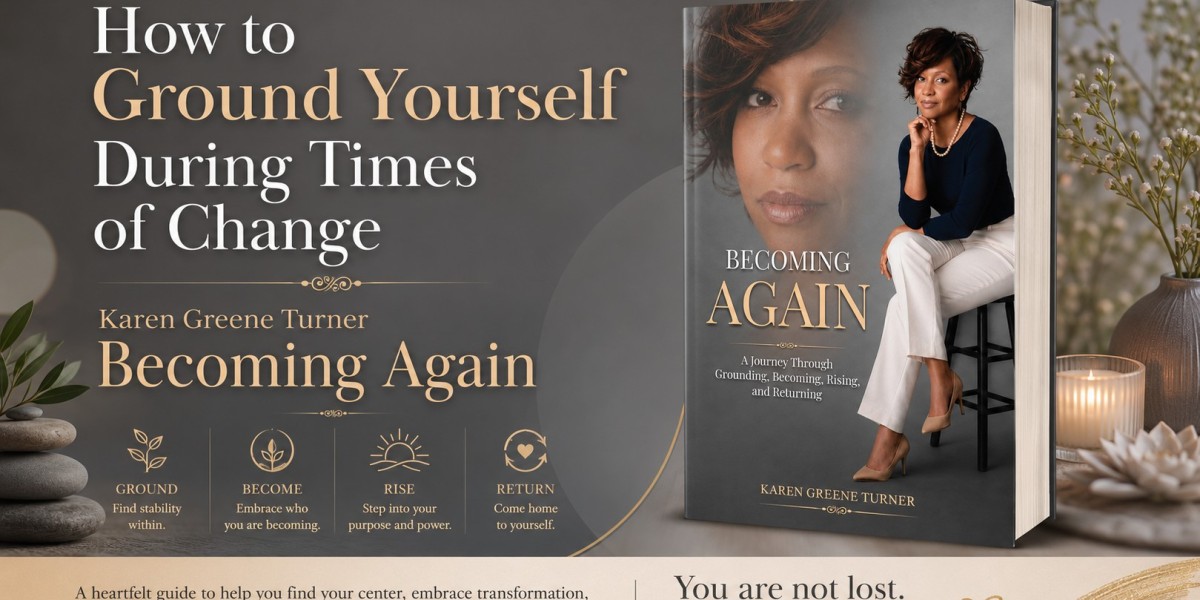
Amazon: Becoming Again : A Journey Through Grounding, Becoming, Rising, and Returning
Change may always bring questions, but grounding reminds you that even in uncertain seasons, you can find steadiness one breath, one moment, and one intentional step at a time.






