

Here's a number that stops most independent doctors in their tracks: nearly half of all Medicare-eligible patients are now managed under some form of value-based care arrangement, yet most solo and small-group physicians still feel completely locked out of the benefits. They hear about accountable care organizations, they hear about shared savings, and honestly, most of them tune out because the whole thing sounds like more paperwork dressed up as opportunity.
I get why. For years, joining an ACO for independent physicians meant signing up for extra reporting, extra risk, and a shrinking share of whatever savings actually materialized. That's not a partnership. That's a bet stacked against the person doing the actual clinical work.
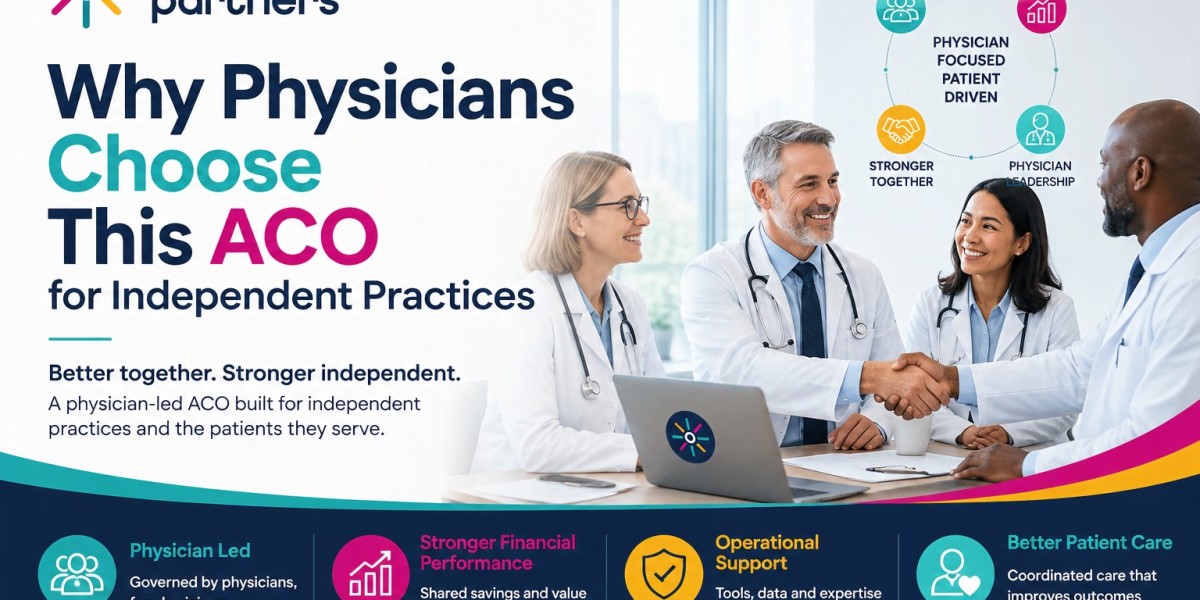
This article breaks down why the model is shifting, what independent practices should actually look for in an ACO partner, and why physicians working with First Point Partners keep saying the same thing: this finally feels fair.
The Old ACO Model Wasn't Built for Independent Practices
Most traditional accountable care organizations split shared savings roughly fifty-fifty. On paper that sounds reasonable. In practice, it means the physicians closing care gaps, coordinating follow-ups, and doing the actual patient-facing work often walk away with less than half the value they created.
From what I've seen talking to practice owners, the frustration isn't really about the concept of value-based care. Doctors want better outcomes for their patients. What frustrates them is being asked to absorb financial risk and administrative burden while a third party keeps the larger cut.
There's also the fear of losing independence altogether. A lot of primary care physicians have watched colleagues get acquired by hospital systems or private equity groups just to access value-based contracts. Nobody wants to trade their name on the door for a seat at the table.
What Independent Physicians Actually Need From an ACO Partner
Talk to enough physicians and a pattern shows up pretty quickly. The doctors who stay engaged with MSSP participation (Medicare Shared Savings Program) want a few specific things, and honestly, it's a short list:
A shared savings split that reflects who's actually doing the work
No requirement to change their EMR or overhaul daily workflows
Protection from downside financial risk if targets aren't hit
Real administrative support, not just a portal login and a PDF manual
A partner who understands primary care because they operate it too
That last point matters more than people expect. It's one thing to sell ACO infrastructure. It's another thing entirely to run clinics under the same reporting requirements you're asking your partner practices to follow.
Why First Point Partners Is Structured Differently
First Point Partners takes a noticeably different approach, and I think this is the part that gets independent physicians to actually pay attention.
Instead of the standard fifty-fifty split, First Point distributes 70% of shared savings back to participating practices. The reasoning is straightforward: physicians create the value through better outcomes and closed care gaps, so physicians should keep the majority of what that value generates.
There's also the risk question. Under this model, practices receive an upfront funding amount based on their patient population, and that payment doesn't change even if the final shared savings numbers come in lower than projected. First Point absorbs the financial exposure, not the practice. For a solo physician or small group already stretched thin, that kind of guarantee changes the calculus entirely.
And workflow disruption, the thing that kills most ACO enrollment conversations before they start, simply isn't part of the deal. Practices keep billing Medicare fee-for-service exactly as they always have. No new EMR. No forced care model. No operational overhaul.
What actually separates First Point from most sponsors, though, is that the company owns and operates its own primary care clinics, and those clinics participate in the same ACO alongside independent partners. That's not a small detail. It means the team building the reporting systems and care coordination programs is living inside the same workflows they're asking other physicians to trust.
The Support Piece Nobody Talks About Enough
A shared savings percentage looks great in a pitch deck. What actually determines whether a practice succeeds is the support behind it, and this is usually where value-based care partnerships fall apart.
First Point's ACO team handles the operational weight that most small practices simply don't have staff for:
Identifying and closing care gaps before they affect quality scores
Managing data, analytics, and performance reporting for MSSP submission
Coordinating patient outreach and ongoing care management
Following up with patients after hospital discharge to prevent readmissions
This is also where Chronic Care Management (CCM), Remote Patient Monitoring (RPM), and Transitional Care Management (TCM) come into play. These programs capture revenue tied to care physicians are frequently already providing, just without the billing infrastructure to claim it properly. Built into the ACO relationship, they become an added revenue stream instead of a missed opportunity.
One participating physician summed it up well: the upfront funding and centralized support made joining a complex program feel almost simple. That's the whole point. The complexity should sit with the ACO, not the practice.
What This Means for Independent Physicians Weighing Their Options
If you're running an independent primary care practice and evaluating value based care programs for physicians options right now, the questions worth asking are pretty direct. Does the split actually favor the practice? Is there real downside protection? Will your EMR and daily workflow stay untouched? And does the sponsor understand primary care from the inside, or just from a spreadsheet?
Physicians choosing First Point Partners tend to land on the same answer. The 70/30 structure, the guaranteed upfront funding, and the hands-on operational support add up to a model that protects independence instead of chipping away at it.
Value-based care isn't going anywhere, and honestly, it shouldn't. Better outcomes for patients paired with fair compensation for physicians is the goal everyone claims to want. The difference is which partner actually structures the deal that way.
If your practice has been sitting on the sidelines of MSSP because the math never felt right, it might be worth a second look. Schedule a conversation with First Point Partners, share your TIN, and find out what your patient population could mean for your practice this year. No obligation, just a straight answer about whether it fits.
Frequently Asked Questions
1. What makes First Point different from a typical ACO?
Most ACOs split shared savings around fifty-fifty and ask practices to absorb financial risk. First Point distributes 70% of savings to participating practices and takes on the financial risk itself, along with the reporting and infrastructure work.
2. Do independent practices need to change their EMR to join?
No. Practices keep their existing EMR, billing processes, and staff exactly as they are. The only addition is participation in care management programs designed to close care gaps.
3. What happens if the ACO doesn't hit its shared savings targets?
The upfront payment to the practice stays the same regardless of the final outcome. First Point structures agreements to absorb that risk rather than passing it down to physicians.
4. How long does onboarding typically take?
Once a practice shares its TIN, First Point can analyze the patient population and determine funding fairly quickly. After the agreement is signed, onboarding usually begins right away.
5. Is this ACO only for large practices?
No. Solo physicians and small independent groups are exactly who this model was built for. The support structure exists specifically because smaller practices often lack in-house resources for MSSP reporting and care coordination.









