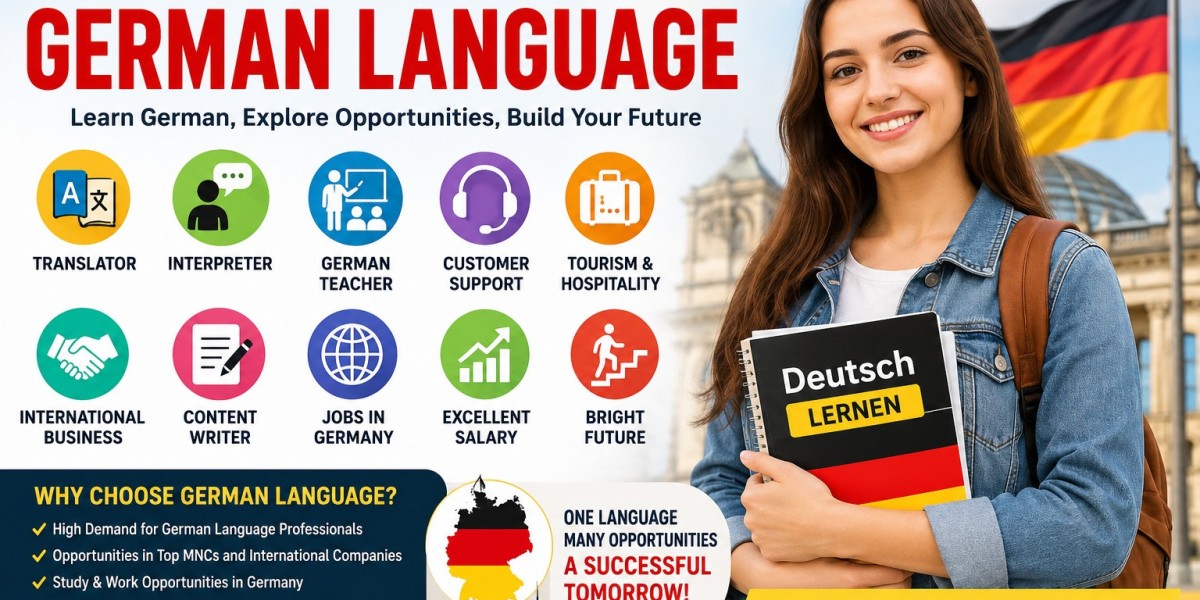


A career in the German language offers exciting opportunities for students and professionals who want to build a successful future in India and abroad. German is one of the most widely spoken languages in Europe and is the official language of Germany, Austria, Switzerland, and several other regions. With Germany being a global leader in engineering, manufacturing, automotive technology, healthcare, and education, the demand for German language professionals continues to grow across various industries.
Learning German is no longer limited to language enthusiasts. Today, it has become a valuable career skill that opens doors to international job opportunities, higher education, and better salary packages. Whether you are a student, graduate, or working professional, developing German language proficiency can significantly enhance your career prospects.
Why Choose a Career in German Language?
German is among the world's most influential business languages. Many multinational companies have their headquarters or major operations in German-speaking countries. Organizations in sectors such as IT, engineering, banking, pharmaceuticals, tourism, education, and customer support actively seek candidates with German language skills.
In India, several German companies have established offices, creating a strong demand for bilingual professionals. Employees who can communicate effectively in German often receive better job opportunities, additional incentives, and faster career growth compared to those without foreign language skills.
Apart from employment, German language proficiency also provides access to scholarships, exchange programs, and higher education opportunities at leading German universities, many of which offer affordable or tuition-free education.
Career Opportunities After Learning German
A German language qualification can lead to careers in multiple industries. Some of the most popular job roles include:
- German Language Translator
- German Interpreter
- German Language Trainer
- Customer Support Executive (German Process)
- International Business Executive
- Content Localization Specialist
- Technical Writer
- Travel and Tourism Consultant
- Export-Import Coordinator
- Foreign Language Expert
- BPO and KPO Professional
- International Sales Executive
- Immigration Consultant
- Research Assistant
- Embassy or Consulate Staff
Many companies also hire German-speaking professionals for project management, software support, digital marketing, and human resources.
Industries That Hire German Language Professionals
German language experts are employed across diverse industries. Some of the major sectors include:
- Information Technology (IT)
- Automobile Industry
- Manufacturing
- Engineering
- Banking and Financial Services
- Healthcare and Pharmaceuticals
- Hospitality and Tourism
- Aviation
- Education and Training
- E-commerce
- International Trade
- Business Process Outsourcing (BPO)
Global companies often prefer candidates who can communicate directly with German-speaking clients, making language skills a valuable competitive advantage.
Skills Required for a Career in German Language
Successful Career in German Language Building a successful career requires more than learning vocabulary and grammar. Employers look for professionals who possess:
- Strong German communication skills
- Excellent listening and speaking abilities
- Reading and writing proficiency
- Translation and interpretation skills
- Cultural awareness
- Problem-solving ability
- Professional communication
- Time management
- Computer literacy
- Confidence in handling international clients
Continuous practice and certification help improve these skills over time.
German Language Certifications
Professional certifications validate your language proficiency and improve your employability. The Common European Framework of Reference for Languages (CEFR) categorizes German proficiency into six levels:
- A1 – Beginner
- A2 – Elementary
- B1 – Intermediate
- B2 – Upper Intermediate
- C1 – Advanced
- C2 – Proficient
Most employers prefer candidates with at least B1 or B2 certification, while translation, interpretation, and teaching roles may require C1 or C2 proficiency.
Salary After Learning German
The salary for German language professionals depends on factors such as certification level, work experience, industry, and job location. Freshers with German language skills often earn competitive salaries compared to candidates without foreign language expertise. As professionals gain experience and higher-level certifications, their earning potential increases significantly.
Experienced translators, interpreters, corporate trainers, and language specialists working with multinational companies can receive attractive compensation packages. Freelancers can also earn well by offering translation, localization, or interpretation services to international clients.
Higher Education Opportunities
Learning German also benefits students planning to pursue higher education abroad. Germany is home to many world-renowned universities offering programs in engineering, business, science, medicine, and technology. Many public universities charge minimal or no tuition fees, making Germany an attractive destination for international students.
German language proficiency can strengthen university applications, improve daily communication, and increase internship and employment opportunities while studying abroad.
How to Start a Career in German Language
If you want to build a career in German, follow these simple steps:
- Join a reputed Online Certification Courses.
- Learn grammar, vocabulary, reading, writing, listening, and speaking.
- Practice conversation regularly.
- Complete internationally recognized German certifications.
- Gain practical experience through internships or freelance projects.
- Build communication and cultural understanding.
- Apply for jobs in multinational companies or international organizations.
Consistency and regular practice are essential for achieving fluency.
Future Scope of German Language Careers
The future of German language careers remains highly promising. As globalization continues to expand international business relationships, companies increasingly require professionals who can bridge communication gaps between countries. Germany's strong economic ties with India continue to generate employment opportunities across technology, manufacturing, education, healthcare, and consulting sectors.
Additionally, remote work has increased the demand for online translators, virtual language trainers, localization experts, and multilingual customer support professionals. With digital transformation creating new international business opportunities, German language skills are becoming even more valuable.
Conclusion
A career in the German language is an excellent choice for individuals seeking global career opportunities, higher salaries, and international exposure. Whether your goal is to work for a multinational company, become a translator or interpreter, teach German, or study abroad, learning German can open countless professional pathways. By earning recognized certifications, continuously improving your communication skills, and gaining practical experience, you can build a rewarding and future-ready career in one of the world's most important foreign languages.