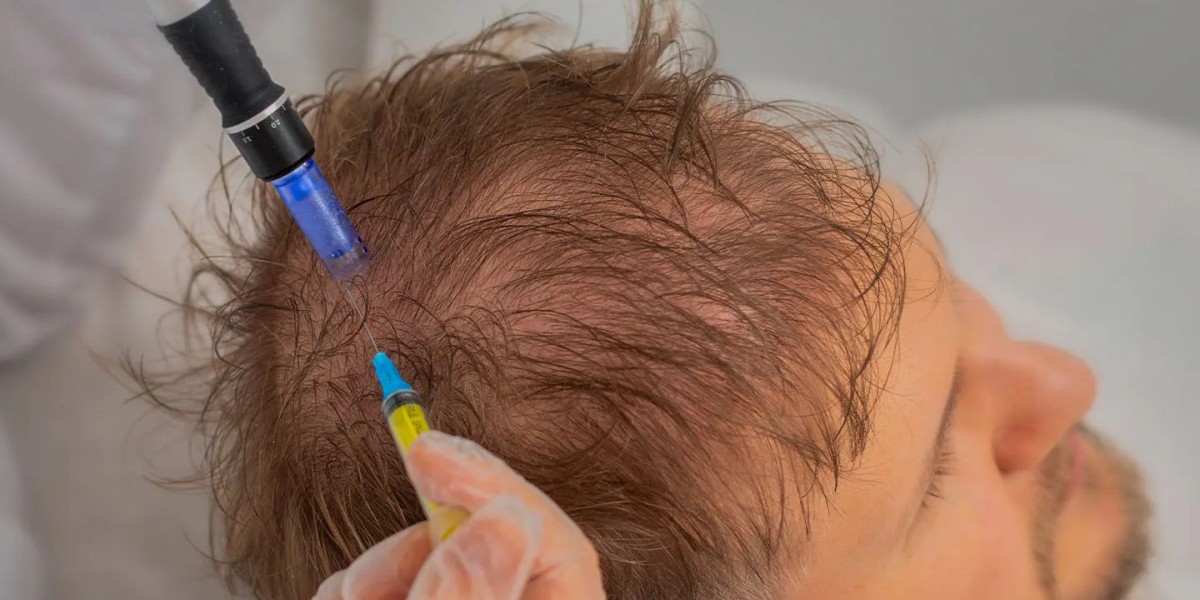


Hair thinning can be frustrating, especially when changes in density become noticeable around the hairline, crown, or parting area. While traditional hair loss treatments remain useful for many people, advances in regenerative aesthetics have introduced new options focused on supporting the health and activity of hair follicles.
Exosome Therapy for Hair Thinning is gaining attention as an emerging approach to hair restoration. Exosomes are tiny extracellular vesicles involved in cell-to-cell communication and can carry signaling molecules that may influence processes associated with tissue repair and follicle activity. Early clinical research suggests potential improvements in hair density and thickness, although larger, well-controlled studies are still needed to establish standardized treatment protocols.
What Are Exosomes?
Exosomes are microscopic extracellular vesicles released by cells. They contain biologically active molecules, including proteins, lipids, and other signaling components, that can participate in communication between cells.
In hair restoration research, scientists are studying whether exosomes can support the follicular environment and encourage healthier hair growth. Proposed mechanisms include influencing dermal papilla cells, supporting follicular activity, and promoting pathways associated with tissue regeneration.
Unlike a hair transplant, exosome-based approaches are designed to support existing hair follicles rather than surgically relocate follicles from one part of the scalp to another.
How Does Exosome Therapy for Hair Thinning Work?
The exact protocol can vary depending on the product, formulation, treatment approach, and clinical assessment. Generally, a qualified professional first evaluates the individual's pattern and severity of hair loss.
A treatment plan may involve:
- Assessing the scalp and existing hair density
- Identifying the likely cause of hair thinning
- Selecting an appropriate exosome-based preparation
- Applying or delivering the preparation to targeted areas
- Monitoring changes in hair density and thickness over time
Some emerging protocols combine exosome application with procedures such as microneedling or microneedling radiofrequency. A 2025 prospective study involving 20 patients reported increases in hair density and diameter following microneedling radiofrequency followed by topical exosome application, but the researchers also emphasized the need for randomized controlled trials.
Potential Benefits of Exosome Hair Treatment
Interest in exosome-based hair restoration comes from early findings suggesting possible improvements in several measurable hair characteristics.
1. May Support Hair Density
Clinical studies reviewed in a 2025 systematic analysis reported improvements in hair density across several exosome sources. Reported increases varied considerably between studies, highlighting why individual results should not be treated as guaranteed outcomes.
2. May Improve Hair Thickness
Thinning hair often looks less dense because individual strands become finer. Research has reported improvements in hair shaft thickness in some patients following exosome-based treatments.
3. Focuses on Existing Follicles
Regenerative hair treatments are generally intended to support follicles that are still present but producing weaker or finer hairs. This makes professional evaluation particularly important before deciding whether the approach is appropriate.
4. Minimally Invasive Approach
Depending on the protocol used, exosome treatments may avoid the incisions and follicular extraction involved in surgical hair transplantation. The actual treatment experience and downtime can vary according to the technique used.
5. May Complement Other Hair Treatments
Exosome therapy is being investigated alongside other approaches, including microneedling-based procedures. A personalized treatment plan can help determine whether combining treatments is suitable for a particular pattern of hair loss.
What Results Can You Expect?
Hair growth is gradual, so patients should not expect an overnight transformation. Results depend on factors such as the underlying cause of hair loss, follicle health, age, genetics, treatment protocol, and overall scalp condition.
Researchers have reported improvements in parameters such as:
- Hair density
- Hair diameter
- Overall appearance of thinning areas
- Patient satisfaction
A 2025 systematic review of 11 clinical studies found improvements in at least one hair-related measure across the included studies. However, the researchers noted substantial differences in study design, exosome sources, treatment methods, sample sizes, and follow-up periods.
This means promising research should be viewed as encouraging rather than definitive.
Is Exosome Therapy Safe?
Safety is an important consideration with any regenerative or aesthetic treatment. Current hair-loss studies have generally reported few serious adverse events, but the available evidence remains limited. A previous review also emphasized the need for consistent manufacturing standards, regulatory oversight, and larger clinical trials.
The Association of Cutaneous Surgeons of India Task Force has also described the current evidence for exosomes in hair restoration as relatively low and recommends caution because much of the supporting evidence remains preclinical or comes from small human studies.
For this reason, patients should:
- Choose a qualified medical professional
- Ask about the source and preparation of the exosome product
- Discuss possible risks and expected outcomes
- Understand whether the treatment is appropriate for their diagnosis
- Avoid providers making guaranteed hair-growth claims
Who May Consider Exosome Hair Treatment?
Exosome-based treatments may be considered by people experiencing certain forms of non-scarring hair thinning, particularly when viable follicles remain. However, hair loss has many possible causes, including androgenetic alopecia, nutritional deficiencies, hormonal changes, stress-related shedding, autoimmune conditions, and scalp disorders.
A proper diagnosis should therefore come before treatment.
During a consultation, a clinician may evaluate:
- The pattern of hair loss
- Hair density and shaft thickness
- Scalp condition
- Family history
- Previous hair treatments
- Possible underlying causes
This assessment helps determine whether regenerative treatment makes sense or whether another approach may be more suitable.
Choosing the Right Hair Clinic
Selecting the right provider is just as important as understanding the treatment itself. Look for a clinic that prioritizes medical assessment, realistic expectations, sterile treatment practices, and individualized care.
Brilliance Clinic presents its hair treatments within a broader doctor-led, evidence-focused approach and lists exosome hair regrowth alongside other hair restoration options such as GFC, PRP, mesotherapy, and hair transplantation.
The clinic also highlights personalized consultation, clinical expertise, and measurable patient outcomes as part of its approach to skin and hair care.
Exosome Therapy vs. Traditional Hair Restoration
Exosome therapy and hair transplantation serve different purposes.
- Exosome therapy: Designed to support existing follicles and improve the hair-growth environment.
- PRP: Uses components of the patient's own blood as part of a regenerative treatment approach.
- GFC: Focuses on growth-factor-based approaches for hair regeneration.
- Hair transplantation: Surgically moves follicles from donor areas to areas affected by significant hair loss.
The best option depends on the degree and cause of hair loss. Someone with early thinning may have very different treatment needs from someone with advanced follicular loss.
Frequently Asked Questions
How long does it take to see results?
Hair growth is naturally slow, and treatment response varies. Clinical studies have assessed outcomes over several months, rather than immediately after treatment.
Can exosomes completely reverse baldness?
There is currently not enough high-quality evidence to claim that exosome therapy can completely reverse baldness. Its potential is more relevant to supporting existing follicles and improving certain hair-growth parameters.
Is exosome therapy better than PRP?
Neither should automatically be considered better for everyone. They use different approaches, and treatment selection should be based on the individual's diagnosis, follicle condition, goals, and medical assessment.
Are the results permanent?
Long-term durability remains an important area of research. Current studies have varied follow-up periods, so patients should discuss maintenance and realistic expectations with their clinician.
Final Thoughts
Exosome-based hair restoration is an emerging area of regenerative aesthetics with encouraging early research. Studies have reported potential improvements in hair density and thickness, but the evidence is still developing and treatment methods are not yet standardized.
For anyone considering Exosome Therapy for Hair Thinning, the most important first step is understanding the cause of hair loss and receiving an individualized medical evaluation. A thoughtful treatment plan, realistic expectations, and qualified clinical supervision can make the decision more informed and appropriate for your hair restoration goals.









