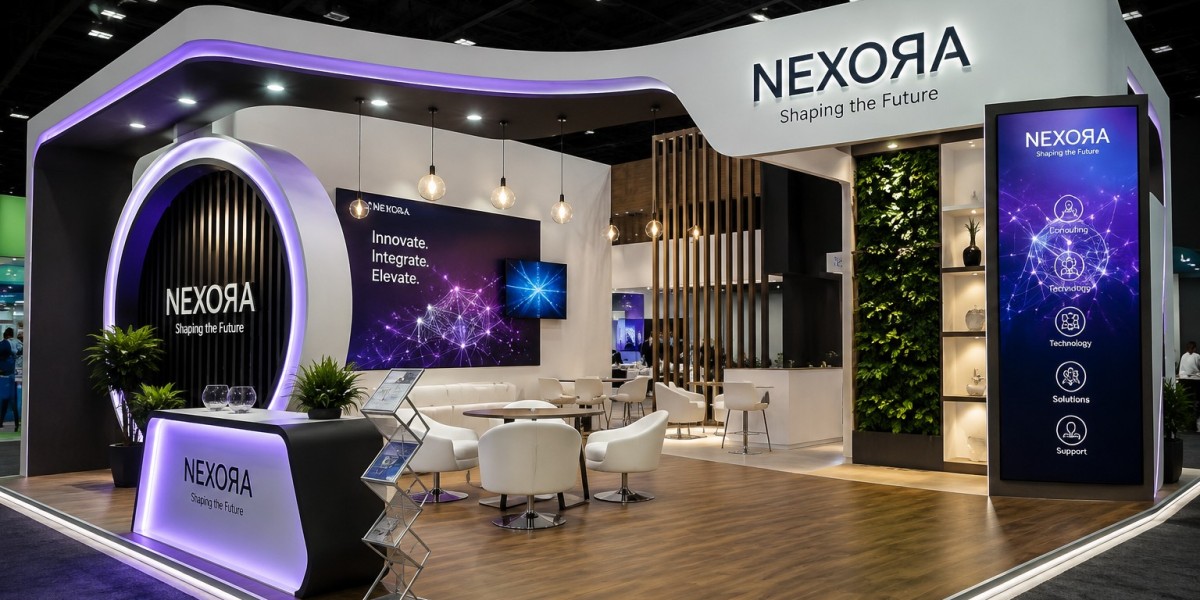


Preparing for a major exhibition requires careful planning, especially when your brand is competing for attention in a busy event hall. Your booth needs to look professional, communicate your message clearly, and provide enough space for visitors and staff to interact comfortably. Before making a booking, it is important to understand what you are actually getting, what your event requires, and how the booth will support your marketing goals. Exploring professional Las Vegas trade show booth rentals can give exhibitors flexible options for creating a customized presence without the long-term responsibilities of owning a permanent exhibit.
Why Planning Before Booking Matters
A trade show booth is a significant part of your event investment. Once an exhibit has been designed and production has started, making major changes can become difficult and expensive.
For this reason, businesses should avoid rushing into a rental decision simply because a particular booth looks attractive.
A booth should be selected according to the event, available floor space, target audience, brand identity, visitor experience, staffing requirements, and business objectives.
Planning in advance gives you enough time to compare designs, review costs, confirm event requirements, approve graphics, and coordinate installation.
The earlier you begin, the more opportunities you have to identify potential problems before the exhibition begins.
Understand What a Booth Rental Includes
Before booking a rental, ask the provider exactly what is included in the quoted package.
A rental may include the basic exhibit structure, but additional services may be handled separately depending on the provider.
Possible components can include booth design, construction, branded graphics, furniture, lighting, flooring, signage, technology, installation, dismantling, transportation, and storage.
Do not assume that every item shown in a design rendering is automatically included in the price.
A detailed proposal can help you understand the complete scope of the project.
Knowing what is included also makes it easier to compare different providers fairly.
Start With Your Event Details
Every exhibition has its own rules and requirements.
Before booking your booth, collect the important details from the event organizer.
You should know your booth dimensions, assigned location, booth configuration, move-in schedule, move-out schedule, height restrictions, hanging-sign rules, electrical requirements, internet requirements, fire-safety regulations, and other relevant guidelines.
The venue may also have specific rules regarding materials, lighting, rigging, displays, and installation.
Your booth provider should be able to work within these requirements.
Providing the event information early allows the design team to create a booth that is both visually appealing and compliant.
Know Your Booth Size
The size of your booth should be determined by your business needs.
Consider how many staff members will work at the event, how many visitors you expect, whether you need product displays, and whether you plan to conduct demonstrations or meetings.
A company with a complex physical product may require more floor space than a professional services company.
Similarly, a business focused on executive meetings may need more seating and private discussion space.
Do not choose a larger booth simply because it seems impressive.
A well-designed smaller booth can provide excellent results when every element serves a clear purpose.
Think About Your Target Audience
Your booth should be designed around the people you want to attract.
Think about who will walk through the exhibition hall and what they are likely to value.
Technical buyers may want detailed demonstrations. Executives may be more interested in strategic conversations. Consumers may prefer hands-on product experiences.
Understanding the audience helps determine everything from booth messaging to furniture and technology.
A booth designed for a specific audience is often more effective than one attempting to appeal to everyone.
Define Your Main Message
Your booth should communicate its primary message quickly.
Visitors may only have a few seconds to notice your exhibit while walking through the aisle.
Your logo should be visible, but branding alone is not enough.
Visitors should also understand what your company does and what makes its offering valuable.
A strong headline can communicate the main benefit, while supporting graphics can provide additional context.
Avoid covering the walls with lengthy paragraphs.
Detailed information can be delivered through demonstrations, brochures, digital content, or conversations with staff.
Review Design Concepts Carefully
When your booth provider presents design concepts, review them from both aesthetic and practical perspectives.
Do not only ask whether the booth looks impressive.
Ask whether visitors can easily enter the space. Can they identify your company from a distance? Is there enough room for staff? Are products positioned correctly? Is there adequate storage? Can visitors comfortably watch demonstrations?
Also consider how the booth will look from different angles.
A design that looks excellent in a digital rendering may need adjustments when viewed from a crowded exhibition aisle.
Consider the Visitor Journey
Think about what happens after someone notices your booth.
Ideally, there should be a natural progression from attraction to engagement.
The visitor might first see your brand message, then approach a product display, interact with a demonstration, speak with a representative, and finally take a specific next step.
This next step could be scheduling a meeting, requesting information, scanning a QR code, receiving a sample, or joining a mailing list.
Your layout should support this journey.
If visitors have to navigate around furniture or wait for access to a demonstration, the experience may become less effective.
Check the Graphics and Branding
Graphics are one of the most visible parts of your booth.
Before approving them, carefully review logos, colors, fonts, images, headlines, and other brand elements.
Make sure the graphics are consistent with your existing marketing identity.
Check spelling and contact information carefully.
It is also important to consider viewing distance.
A message that looks readable on a computer screen may be difficult to read from the opposite side of an exhibition aisle.
Your booth provider should be able to advise on appropriate graphic sizing and placement.
Consider Lighting Early
Lighting should be part of the booth design rather than an afterthought.
Good lighting can highlight important areas, improve product visibility, and make the exhibit more inviting.
You can use lighting to draw attention to a product, logo, graphic wall, demonstration area, or architectural feature.
However, lighting should remain comfortable for visitors.
Poorly positioned lights can create glare on screens or make certain areas uncomfortable.
Discuss lighting options with your booth provider during the design stage.
Decide Whether You Need Technology
Technology can add significant value to an exhibition booth when used correctly.
Depending on your goals, you may need digital displays, interactive screens, product demonstration systems, charging stations, computers, presentation equipment, or other technology.
Before booking, determine exactly what technology is required.
Make sure there is enough space and infrastructure to support it.
Technology also requires reliable power and appropriate cable management.
A screen placed in an awkward location or a demonstration that cannot be seen clearly may create more problems than benefits.
Plan for Product Demonstrations
If demonstrations are an important part of your exhibition strategy, your booth should be designed around them.
Determine whether demonstrations will happen continuously or at scheduled times.
Think about how many people are likely to watch.
The demonstration area should be visible from the aisle but should not block the main visitor pathway.
If demonstrations require specialized equipment, make sure the booth provider understands those requirements before finalizing the design.
Include Meeting Space if Necessary
Many companies attend trade shows to meet existing customers, prospects, distributors, partners, or investors.
If business meetings are important, allocate appropriate space.
A small table may be sufficient for casual conversations, while more complex discussions may require a private or semi-private meeting room.
The meeting area should be comfortable and positioned away from the busiest visitor flow when possible.
You should also consider how many meetings could take place simultaneously.
Trying to fit too many meeting areas into a small booth can make the entire space feel cramped.
Do Not Ignore Storage
Storage is one of the most practical elements of booth design.
Your team may need space for brochures, promotional products, personal belongings, samples, packaging, cleaning supplies, and technical equipment.
If these items are left in visible areas, the booth can quickly become cluttered.
Integrated storage solutions can keep the exhibit organized without taking attention away from the main display.
Ask your booth provider how much storage is included and where it will be located.
Understand Installation and Dismantling
A booth rental is not simply delivered to the venue and left for the exhibitor to assemble.
Installation and dismantling need to follow event schedules and venue rules.
Before booking, clarify who is responsible for installation and removal.
Ask when the booth will be ready and how the dismantling process will work after the show.
You should also understand whether these services are included in the quoted price.
Clear expectations can prevent last-minute confusion.
Review Transportation and Logistics
Trade show logistics can involve multiple locations and strict deadlines.
Your booth components may need to arrive at a designated warehouse or directly at the exhibition venue.
There may also be specific material-handling procedures.
Ask your provider how transportation will be managed and whether shipping costs are included.
Understanding these logistics before booking can help you avoid unexpected expenses.
Build a Realistic Budget
The rental price is only one part of your exhibition budget.
Other expenses may include event registration, travel, accommodation, marketing materials, promotional products, technology, electrical services, internet, transportation, installation, and staffing.
When evaluating booth proposals, consider the total cost of the exhibition rather than focusing on one line item.
A clear budget also helps determine which booth features are essential.
If your goal is lead generation, for example, you may prioritize meeting space and lead-capture technology over decorative elements.
Compare Providers Carefully
It can be tempting to select the first booth provider that offers an attractive design.
However, comparing providers can reveal differences in design capabilities, project management, customization, service levels, and pricing.
Review their previous work and ask how they handle projects from initial concept through installation.
You should also assess how responsive they are during the planning process.
If communication is difficult before the contract is finalized, it may become even more challenging as the event deadline approaches.
Ask About Customization
Rental does not necessarily mean generic.
Depending on your needs, you may be able to customize graphics, signage, furniture, lighting, layout, display elements, and other features.
Ask the provider which elements can be customized and what limitations apply.
Customization can help your booth feel like a genuine extension of your brand.
The objective is to create a distinctive exhibition environment without adding unnecessary complexity.
Check the Timeline
Trade show projects have multiple deadlines.
You may need to approve the design, submit graphics, confirm electrical requirements, order furniture, finalize technology, and complete other preparations before the event.
Ask your booth provider for a clear project timeline.
You should know when the first design concept will be delivered, when revisions need to be completed, and when final artwork is due.
Leaving everything until the last minute can limit your options.
Prepare Your Team Before the Event
The booth is only one part of the visitor experience.
Your staff needs to be prepared to represent the company effectively.
Before the event, discuss your objectives and primary messaging with the team.
Make sure everyone understands what products or services should receive the most attention.
Staff should also know how to identify qualified prospects and how to record lead information.
A professional booth combined with an engaged and knowledgeable team can create a much stronger exhibition experience.
Plan Your Pre-Show Promotion
Do not wait until the event begins to tell people where they can find you.
Use your website, email campaigns, social media, customer communications, and other marketing channels to promote your participation.
If you are launching a product, hosting a presentation, or offering demonstrations, let your audience know in advance.
Pre-show promotion can encourage existing customers and potential prospects to visit your booth.
This can make your exhibition strategy more proactive rather than relying entirely on passing foot traffic.
Create a Follow-Up Strategy
Your work does not end when the exhibition closes.
Leads should be reviewed, categorized, and followed up promptly.
Before the event begins, determine who will be responsible for contacting leads and how quickly follow-up should happen.
Your lead-capture process should also collect enough information to support meaningful conversations afterward.
A contact without context may be less useful than a qualified lead accompanied by information about the visitor's needs and interests.
Review the Contract Before Signing
Before booking the booth, carefully review the agreement.
Confirm the booth specifications, services, delivery dates, installation arrangements, graphics, furniture, technology, payment schedule, cancellation terms, and other important conditions.
Ask questions about anything that is unclear.
A written agreement should accurately reflect what was discussed during the planning process.
Taking the time to review the contract can help prevent misunderstandings later.
Think Beyond One Exhibition
If your company plans to participate in several events, discuss your long-term needs with the booth provider.
A flexible rental approach can allow you to use different configurations for different exhibition spaces while maintaining consistent branding.
You may also learn from each event and make improvements over time.
For example, after one show, you might discover that visitors spend more time in demonstrations than expected. At the next event, you could allocate more space to that experience.
This continuous improvement can make your exhibition program more effective.
Common Mistakes to Avoid Before Booking
One of the most common mistakes is choosing a booth based solely on appearance.
Another is failing to confirm what is included in the price.
Some exhibitors also overlook storage, installation requirements, technology needs, or venue regulations.
Waiting too long to approve graphics can create unnecessary pressure.
Choosing a booth without considering visitor flow can also result in a design that looks good but performs poorly.
Taking a strategic approach can help you avoid these problems.
Final Checklist Before Booking
Before confirming your rental, make sure you understand the booth dimensions, configuration, design, branding, furniture, lighting, storage, technology, installation, dismantling, transportation, and total costs.
Confirm the event's rules and deadlines.
Review the final graphics carefully.
Make sure your staff requirements have been considered.
Most importantly, confirm that the booth supports your actual exhibition objectives.
A booth should be a business tool, not simply a decorative structure.
Conclusion
Booking an exhibition booth is an important step in preparing for a trade show in Las Vegas. The right choice can help your brand create a strong first impression, attract relevant visitors, facilitate business conversations, and support lead-generation efforts.
Before booking, take time to understand your event requirements, booth size, audience, objectives, design needs, graphics, technology, storage, installation, transportation, and total budget. Comparing providers and reviewing all services in advance can also help make the process more predictable.
A well-planned rental booth gives businesses the flexibility to create a professional exhibition environment without taking on all the responsibilities associated with permanent booth ownership. More importantly, it allows exhibitors to design their space around the visitor experience and their business goals.
Whether you are exhibiting for the first time or preparing for another major event, careful planning can help you get more value from your exhibition investment. By evaluating your requirements before making a decision, professional Las Vegas trade show booth rentals can become an effective foundation for creating a memorable, functional, and brand-focused presence at your next Las Vegas trade show.