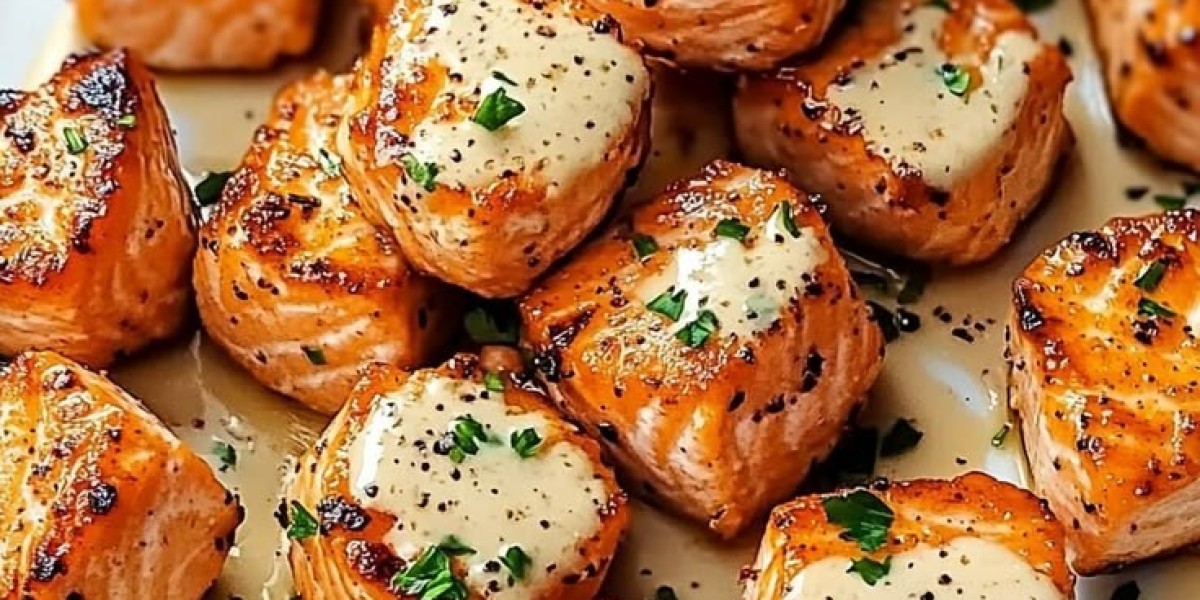


The Salmon Bites Market is gaining attention as consumers increasingly seek convenient, protein-rich, flavorful seafood products that fit modern lifestyles. Salmon bites are typically prepared as small, ready-to-cook or ready-to-eat portions made from salmon fillets, minced salmon, or processed salmon formulations. Their compact format makes them suitable for snacks, appetizers, quick meals, lunchboxes, and foodservice applications.
Changing dietary preferences, growing interest in seafood, and demand for convenient meal solutions are creating new opportunities for salmon bite manufacturers. At the same time, product developers are experimenting with coatings, seasonings, preparation methods, and packaging formats to differentiate offerings.
Comprehensive Research into this product category helps businesses understand consumer preferences, emerging product formats, distribution patterns, competitive positioning, and the factors that may influence future demand.
Growing Demand for Convenient Seafood
Convenience has become an important purchasing factor across the food industry. Consumers with busy schedules increasingly prefer products that require minimal preparation while still delivering recognizable nutritional and culinary value.
Salmon bites fit this requirement particularly well. Their small portions can be cooked quickly using ovens, air fryers, frying equipment, or other preparation methods. Some varieties can also be consumed with minimal preparation, depending on their formulation and processing.
The bite-sized format provides flexibility. Consumers can serve salmon bites as an appetizer, add them to salads and bowls, combine them with vegetables, or use them as a protein component in a larger meal. This versatility can broaden their appeal beyond traditional seafood consumers.
Nutrition Supporting Product Appeal
Salmon is widely recognized as a source of high-quality protein and naturally occurring omega-3 fatty acids. It also provides several important vitamins and minerals, making it attractive to consumers who consider nutritional value when selecting food products.
Salmon bites can translate these characteristics into a more convenient format. However, nutritional positioning varies considerably according to the recipe. Products with heavy breading, sauces, sodium, or added oils may have a different nutritional profile from minimally processed salmon portions.
This creates an opportunity for manufacturers to develop differentiated products. High-protein, clean-label, minimally processed, reduced-sodium, and portion-controlled options may appeal to consumers looking for more balanced choices.
Product Innovation and Flavor Development
Flavor innovation is one of the most important areas of opportunity in the Salmon Bites Market. Traditional seasoning profiles can attract consumers seeking familiar seafood flavors, while globally inspired combinations can create new consumption occasions.
Manufacturers may explore garlic and herb, lemon pepper, spicy chili, teriyaki-style, smoky barbecue, Mediterranean-inspired, or Asian-inspired profiles. Coatings can also influence the sensory experience by adding crunch and contrasting textures.
Texture is particularly important because consumers expect salmon bites to retain a moist interior while developing an appealing exterior during cooking. Breaded, battered, crispy, grilled, and seasoned formats can therefore serve different consumer preferences.
Product Research can help manufacturers identify which combinations of flavor, texture, portion size, and preparation method are most suitable for particular customer groups.
Retail and Foodservice Opportunities
Retail represents an important route for salmon bite products, particularly through frozen and chilled food sections. Supermarkets and hypermarkets can provide manufacturers with access to a broad consumer base.
Convenience stores and smaller grocery outlets may also become relevant as single-serve and quick-meal products gain popularity. E-commerce offers another avenue, particularly for frozen foods that can be delivered through temperature-controlled logistics.
Foodservice creates a separate opportunity. Restaurants, cafés, hotels, catering companies, and casual dining establishments can use salmon bites as appetizers, side dishes, snack-style offerings, or components of larger meals.
The ability to serve the same product across multiple channels can strengthen commercial opportunities, although packaging, portion sizes, preparation instructions, and storage requirements may need to differ by channel.
Importance of Packaging
Packaging plays a major role in the presentation and practical usability of salmon bites. Consumers increasingly expect packaging to provide clear information about ingredients, preparation methods, storage conditions, portion sizes, and nutritional characteristics.
Resealable packaging can improve convenience for households that do not consume the entire package at once. Single-portion formats may appeal to individual consumers, while larger family packs can target household meal occasions.
Packaging development is also increasingly influenced by sustainability considerations. Manufacturers are exploring ways to reduce unnecessary material use while maintaining product protection, shelf life, and food safety.
Sustainability and Responsible Sourcing
Seafood consumers are becoming more interested in how products are sourced and produced. This has increased the importance of responsible fisheries, aquaculture practices, traceability, and supply-chain transparency.
For salmon bite manufacturers, sourcing strategy can influence both brand reputation and operational stability. Reliable access to suitable salmon supplies is essential for maintaining consistent quality and production volumes.
Sustainability claims must also be supported by credible sourcing and production practices. Companies that can communicate responsible sourcing clearly may strengthen consumer confidence, particularly among environmentally conscious shoppers.
Production and Supply Chain Considerations
Salmon bites require careful handling throughout processing, storage, transportation, and retail distribution. Temperature management is particularly important for products requiring chilled or frozen conditions.
Manufacturers must balance production efficiency with product quality. Factors such as raw material consistency, portion control, coating performance, freezing technology, packaging integrity, and storage stability can affect the final product.
Supply-chain disruptions can also influence raw material availability and production costs. Businesses therefore have an incentive to develop resilient procurement strategies and maintain reliable relationships with suppliers.
Advanced processing and automation may improve consistency and productivity. Automated portioning, forming, coating, cooking, freezing, and packaging systems can help manufacturers manage larger production volumes while maintaining standardized product specifications.
Changing Consumer Preferences
The consumer base for salmon bites is not limited to one demographic. Families may purchase them because they are easy to prepare, while younger consumers may appreciate their snackable format and compatibility with air fryers and quick-cooking appliances.
Health-conscious consumers may focus on protein content and ingredient composition. Food enthusiasts may be attracted by premium flavors and specialty seasonings. Meanwhile, foodservice buyers may prioritize consistency, preparation speed, yield, and cost efficiency.
Understanding these different motivations is essential for successful product positioning. A single product may also be marketed differently depending on the channel and target audience.
Competitive Differentiation
Competition in the seafood convenience segment is influenced by product quality, pricing, packaging, flavor variety, nutritional positioning, brand reputation, and distribution reach.
Manufacturers can differentiate their salmon bites through premium ingredients, distinctive recipes, convenient preparation formats, innovative coatings, portion sizes, or specialized dietary positioning.
Private-label products can also influence competition as retailers seek convenient seafood products under their own brands. This may create opportunities for contract manufacturers and processors with strong production capabilities.
A structured Research approach can help businesses evaluate competitors, identify market gaps, compare product characteristics, and develop more effective positioning strategies.
Future Opportunities
The future development of the Salmon Bites Market is likely to be shaped by convenience, product diversification, premiumization, sustainability, and changing food habits.
Air-fryer-friendly products represent one promising area because consumers increasingly seek fast preparation methods that produce crispy textures without traditional deep frying. Ready-to-cook and easy-to-prepare formats may continue expanding as households prioritize speed.
Premium salmon bites with distinctive sauces, sophisticated seasonings, and restaurant-inspired flavors could also gain traction. At the other end of the spectrum, value-oriented family packs may appeal to price-conscious households.
Innovation in packaging, portion control, nutritional formulation, and preparation technology can further expand the category.
Conclusion
The Salmon Bites Market is positioned at the intersection of seafood consumption, convenience food, nutritional awareness, and product innovation. Its bite-sized format gives salmon greater versatility across snacks, appetizers, quick meals, retail products, and foodservice menus.
Future opportunities will depend on manufacturers' ability to combine quality salmon with appealing flavors, convenient preparation, reliable packaging, responsible sourcing, and competitive pricing. Businesses that closely monitor consumer behavior and invest in product Research can better identify emerging opportunities and respond to changes in demand.
As consumers continue looking for convenient foods without completely sacrificing nutrition, salmon bites have the potential to become an increasingly diverse category within the broader prepared seafood landscape.






