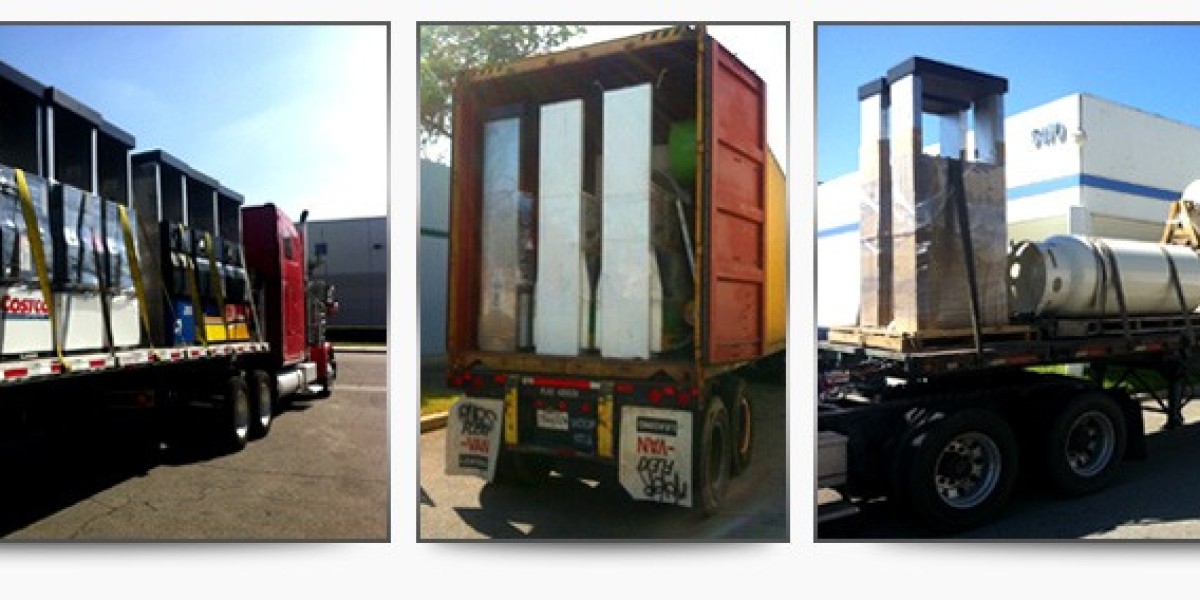


Fuel stations in the modern era typically have several grades of fuel available such as regular, mid-grade, premium gasoline and diesel. The look and feel of the fuel dispensers are similar, fuel dispenser pumps must be designed with the ability to safely. It is accurately and efficiently dispense the characteristics of fuel.
The Separate Fuel Pathways
There are separate fuel pathways are one of the most critical aspects of fuel handling for dispensers to accommodate the varying grades of fuel. Each product will usually be provided with a dedicated hose, nozzle, meter and flow path. This will minimize mixing of various fuels during filling.
Accurate Metering for Every Grade
Fuel dispensers are fuel meters which are used to measure the quantity of fuel dispensed to a vehicle. The meter takes the information from the control system of the dispenser to compute quantity and price of the dispensed fuel.
Different Fuel Properties Need to Be Managed
The physical properties of gasoline and diesel are different, such as viscosity and flow. Therefore, dispenser components like pumps, valves, filters, meters, hoses and nozzles should be compatible with the fuel being dispensed.
Preventing Cross Contamination
Cross contamination is a major problem when multiple fuel products are sold at a service station. The dispenser systems are engineered to have separate product lines and suitable valves to reduce the risk of one fuel flowing into another product line.
Nozzle and Hose Identification
Fuel grades are typically marked with hoses and nozzles. Products are color coded, labeled and named to guide customers in choosing the right fuel.
The electronic control system of the fuel dispenser pump also guarantees that the chosen product is matched with the right meter and fuel pathway.
Regular Maintenance Is Required
Multiple fuels need a consistent approach to maintenance. Hoses, nozzles, filters, meters, valves and other components must be inspected by the station operator in accordance with the manufacturer's recommendations and applicable regulations.
It can be helpful to conduct preventive maintenance, as this can uncover leaks, worn components, inaccuracy in measurements and other issues that might lead to major operational problems.
Conclusion
Fuel gas dispenser manage fuel of various grades by means of separate fuel paths, appropriate components, precise metering and electronic control. A good separation and frequent maintenance ensure good fuel quality, accurate filling and reliable filling station operation. It is making sure fuel station owners select equipment that has been specifically engineered to handle the type of fuel products they plan to dispense is an important step in developing a safe, efficient fueling system.









