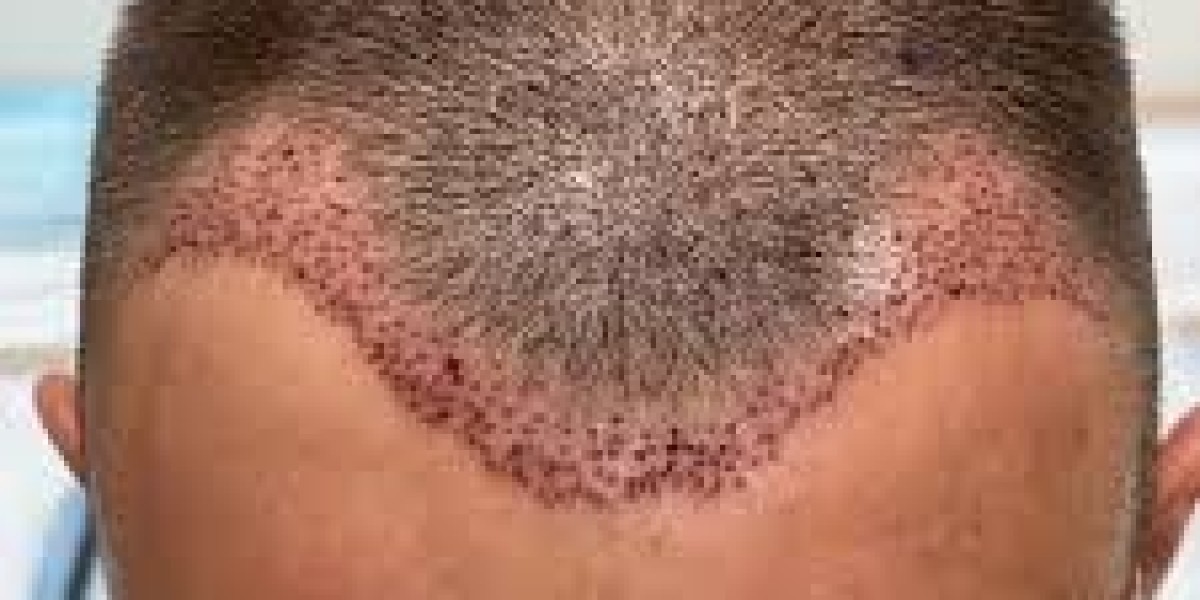


Hair loss can affect your appearance, confidence, and everyday comfort. For people considering hair restoration, a hair transplant can offer a long-term approach to improving thinning or bald areas. However, choosing the right technique is not simply about selecting the newest or most popular method. The appropriate procedure depends on your pattern of hair loss, donor hair quality, goals, scalp condition, and overall suitability.
If you are considering Hair Transplant in Dubai, understanding the differences between commonly used techniques can help you have a more informed conversation during your consultation. A qualified hair restoration professional can assess your individual situation and recommend an approach based on clinical factors rather than marketing claims.
Why Choosing the Right Hair Transplant Technique Matters
Every person's hair loss pattern is different. Some people have a receding hairline, while others experience thinning around the crown or more widespread loss. The density and quality of hair available in the donor area also vary from person to person.
The right technique should aim to:
- Restore hair in areas affected by loss
- Make the result appear natural
- Use donor follicles efficiently
- Consider your existing hair pattern
- Minimize unnecessary trauma to the scalp
- Match the procedure with your expectations and lifestyle
A proper assessment is therefore more important than choosing a technique based only on its name.
Understanding Common Hair Transplant Techniques
Several techniques are used in modern hair restoration. The most suitable option depends on individual circumstances.
FUE Hair Transplant
Follicular Unit Extraction, commonly known as FUE, involves removing individual follicular units from a donor area and placing them into areas affected by hair loss.
One of its main advantages is that it does not involve removing a long strip of scalp tissue. Instead, individual grafts are extracted, which can result in small extraction marks that become less noticeable as they heal.
FUE may be considered for people who prefer to wear shorter hairstyles or require restoration across specific areas. However, the quality of the result depends heavily on careful graft extraction, placement, and appropriate donor-area management.
FUT Hair Transplant
Follicular Unit Transplantation, or FUT, involves removing a strip of skin containing hair follicles from the donor area. The strip is divided into individual follicular units before implantation.
FUT can allow a substantial number of grafts to be harvested in appropriate candidates. However, it leaves a linear scar in the donor area, making it an important consideration for people who prefer very short hairstyles.
The decision between FUE and FUT should be based on factors such as donor density, the number of grafts required, scalp characteristics, and long-term restoration goals.
DHI Hair Transplant
Direct Hair Implantation, often referred to as DHI, uses specialized implantation instruments to place extracted follicles into the recipient area.
The technique focuses on controlled placement and may be useful when precise implantation is required. However, DHI is not automatically better for every patient. Its suitability still depends on the patient's hair loss pattern, donor supply, and treatment objectives.
It is also important to distinguish between a technique and the skill of the team performing it. Excellent results depend on appropriate planning and execution, regardless of the procedure selected.
Which Technique Is Best for Your Hair Loss?
There is no single hair transplant technique that is universally best. Your hair loss stage and pattern are among the most important considerations.
Receding Hairline
If your main concern is a receding hairline, the treatment plan may focus on creating a natural-looking frontal hairline and improving density behind it. Graft direction, angle, and distribution are particularly important because the hairline is highly visible.
Crown Thinning
Crown restoration can require careful planning because the area has a naturally swirling growth pattern. The number of available donor follicles and the degree of existing hair loss should be evaluated before deciding how much density can realistically be created.
Advanced Hair Loss
People with extensive baldness may require more complex planning. A limited donor supply means that available follicles need to be distributed strategically rather than simply attempting maximum density in one area.
Diffuse Thinning
Diffuse hair loss requires careful assessment because existing hairs may still be present throughout the scalp. Before transplantation, the underlying cause and stability of the hair loss should be evaluated.
Factors to Consider Before Choosing a Technique
A professional consultation should examine several factors rather than focusing on the procedure name alone.
Donor Hair Availability
Hair follicles from the donor region are a limited resource. Your donor density and hair characteristics can influence how many grafts can safely be harvested.
Hair Characteristics
Hair thickness, texture, curl pattern, and color can influence the visual appearance of density and the overall design of the restoration.
Degree of Hair Loss
The extent and progression of hair loss help determine where grafts should be prioritized.
Future Hair Loss
A transplant does not necessarily stop natural hair loss. Planning should account for possible future thinning so that the result remains balanced over time.
Recovery and Lifestyle
Your work, hairstyle preferences, and willingness to follow post-treatment instructions may also influence which approach is practical for you.
Questions to Ask During Your Consultation
Before choosing a Hair Transplant in Dubai, consider asking:
- Which technique is suitable for my hair loss pattern?
- How many grafts may I need?
- Is my donor area sufficient?
- What level of density can realistically be achieved?
- What type of scarring should I expect?
- How long is the expected recovery period?
- What happens if I experience further natural hair loss?
- What aftercare will I need?
- Are there risks or limitations specific to my case?
Clear answers can help you make a decision based on realistic expectations.
Choosing a Hair Transplant Clinic in Dubai
Selecting the right clinic is another important part of the process. Look for a facility that emphasizes proper assessment, qualified professionals, transparent treatment planning, appropriate hygiene standards, and realistic communication about expected outcomes.
At Tajmeels clinic , patients considering hair restoration can discuss their concerns and receive an individualized assessment before deciding on a treatment approach. A personalized plan can help determine whether FUE, FUT, DHI, or another suitable strategy is appropriate based on the individual's hair loss and restoration goals.
What to Expect After Hair Transplantation
Recovery varies according to the procedure and individual healing response. Temporary redness, swelling, sensitivity, or scabbing may occur after transplantation. Newly transplanted hairs can also shed during an early stage before new growth develops.
Hair growth is gradual rather than immediate. Results typically develop over several months, and the final appearance can take longer to become fully established. Following post-treatment instructions and attending recommended follow-up appointments can support proper recovery.
Conclusion
Choosing the right hair transplant technique requires more than comparing FUE, FUT, and DHI by popularity. The most appropriate approach depends on your hair loss pattern, donor supply, hair characteristics, scalp condition, lifestyle, and long-term goals.
If you are exploring Hair Transplant in Dubai, a professional consultation is the best starting point. Rather than choosing a procedure based solely on advertising, focus on personalized assessment, realistic expectations, experienced care, and a treatment plan designed around your individual needs. With thoughtful planning and appropriate technique selection, hair restoration can provide a natural-looking improvement while making responsible use of your available donor follicles.
More Information
Tajmeels Clinic Dubai
WhatsApp: +971 56 203 8751
Phone: tel:+971 43739000
Social Media:






