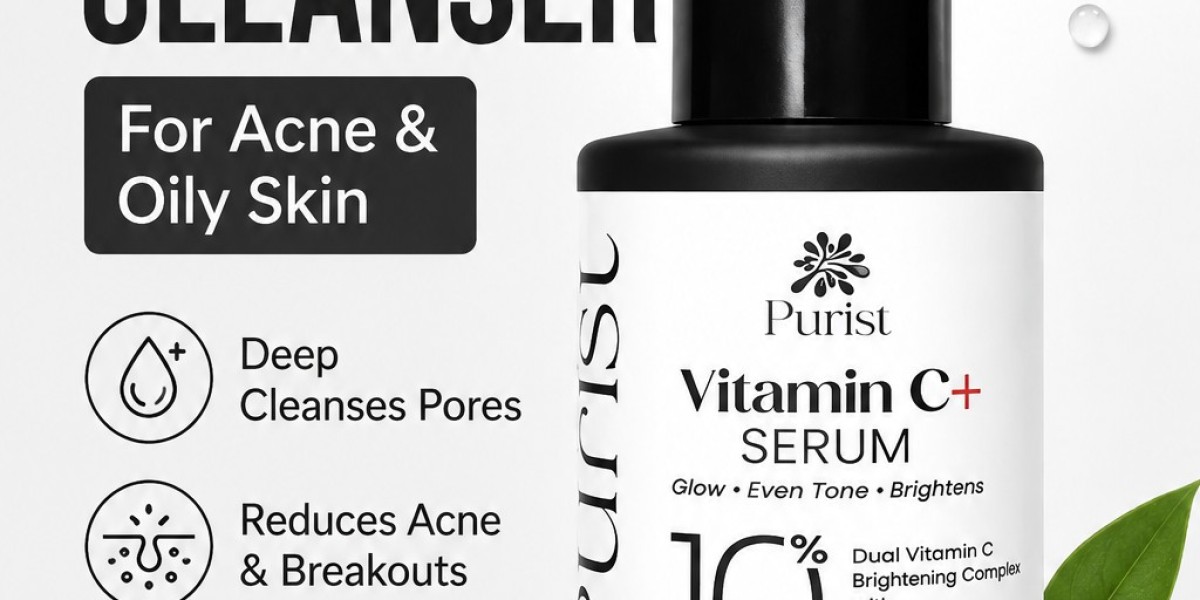


Acne-prone skin can be frustrating for one simple reason: the problem is rarely just one problem.
You may wake up with an oily T-zone, notice a few clogged pores around your nose, deal with recurring breakouts on your cheeks, and then find that your skin feels dry after using a harsh acne face wash.
The answer isn't necessarily to cleanse harder.
A better approach is to use a cleanser that helps remove excess oil and impurities while supporting a balanced skincare routine. This is where salicylic acid cleanser can be particularly useful.
Salicylic acid is a beta hydroxy acid (BHA) known for its ability to work with oil and help exfoliate inside pores. When incorporated into a well-designed cleansing routine, it can help keep pores clearer and improve the appearance of oily, congested, and acne-prone skin.
For anyone considering a salicylic acid face wash, understanding what the ingredient actually does—and what it doesn't do—is more useful than chasing unrealistic overnight results.
Why Oily Skin Is More Likely to Become Congested
Oil itself isn't the enemy.
Your skin naturally produces sebum, an oily substance that helps keep the skin lubricated and protected. The problem begins when excess sebum combines with dead skin cells and other impurities around the pores.
This buildup can make pores appear more noticeable and contribute to:
- Blackheads
- Whiteheads
- Clogged pores
- Rough-looking texture
- Excess shine
- Occasional breakouts
That's why simply removing surface oil isn't always enough.
A cleanser that leaves your face extremely dry may feel effective immediately, but constantly stripping the skin isn't the goal. Effective cleansing should remove unwanted buildup while helping the skin remain comfortable.
What Makes Salicylic Acid Different?
Salicylic acid belongs to a group of ingredients called beta hydroxy acids, or BHAs.
Its oil-soluble nature makes it particularly interesting for people dealing with oily and congested skin. Rather than focusing exclusively on what's sitting on the surface, salicylic acid can help exfoliate within the pore.
This makes it a popular ingredient in products designed for:
- Acne-prone skin
- Oily skin
- Blackheads
- Whiteheads
- Clogged pores
- Uneven skin texture
However, salicylic acid isn't a magic eraser for every type of acne. Its main value is supporting clearer pores and a more balanced-looking complexion as part of a consistent routine.
How a Salicylic Acid Cleanser Can Help Acne-Prone Skin
The biggest advantage of incorporating salicylic acid into a cleanser is that it combines cleansing with targeted exfoliation.
It Helps Remove Excess Oil
A good facial cleanser should remove excess sebum, dirt, sweat, and daily buildup.
Salicylic acid can complement this cleansing process by helping loosen oil and debris associated with congested pores.
This can leave oily skin feeling cleaner without relying solely on aggressive cleansing.
It Helps Keep Pores Clear
Pore congestion can occur when oil and dead skin cells accumulate.
Because salicylic acid is oil-soluble, it is particularly suited to routines focused on clogged pores and blackheads.
Regular cleansing may help reduce the buildup that makes pores look congested.
It Helps Improve the Appearance of Blackheads
Blackheads are essentially open clogged pores containing a mixture of sebum and dead skin cells.
They aren't caused simply by "dirty skin," so scrubbing harder isn't the answer.
Salicylic acid can help exfoliate the material contributing to pore congestion, making it a popular choice for people looking to improve the appearance of blackheads.
It Can Help Refine Uneven Texture
When pores are repeatedly congested, the skin can feel rough or uneven.
A salicylic acid cleanser can support the removal of dead skin cells and excess buildup, helping the complexion appear smoother with consistent use.
Salicylic Acid Cleanser vs. Ordinary Face Wash
Not every cleanser has the same purpose.
A basic cleanser primarily focuses on removing surface-level impurities such as oil, dirt, sweat, and makeup residue.
A salicylic acid face wash adds an active exfoliating ingredient to the cleansing process.
That difference can make a salicylic acid cleanser particularly appealing if your concerns include:
| Skin concern | Salicylic acid cleanser |
|---|---|
| Excess oil | ✓ Useful |
| Clogged pores | ✓ Useful |
| Blackheads | ✓ Useful |
| Whiteheads | ✓ Useful |
| Acne-prone skin | ✓ Can support routine |
| Dull-looking skin | ✓ May improve texture |
| Very dry skin | Use cautiously |
| Severely irritated skin | May not be appropriate |
The right cleanser depends on your skin rather than simply choosing the strongest product available.
Who Can Benefit From a Salicylic Acid Face Wash?
A salicylic acid cleanser may be particularly suitable for people whose main concerns are oiliness and pore congestion.
It can be a useful option if you regularly notice:
An oily T-zone: Your forehead, nose, and chin become shiny throughout the day.
Recurring clogged pores: Your skin frequently develops blackheads or small bumps.
Acne-prone skin: Breakouts tend to appear alongside excess oil and congestion.
Rough texture: Your complexion doesn't feel as smooth as you'd like.
Buildup: Your skin feels greasy or congested even after cleansing.
That said, sensitive or easily irritated skin may require a slower introduction.
How to Add Salicylic Acid Cleanser to Your Routine
You don't need an elaborate skincare routine.
A simple routine can often be more sustainable.
Morning
- Cleanse with a suitable facial cleanser.
- Apply moisturizer.
- Finish with broad-spectrum sunscreen.
Evening
- Remove makeup or sunscreen if necessary.
- Cleanse your face.
- Apply your usual skincare treatment.
- Finish with moisturizer.
If you're new to salicylic acid, start according to the product's directions and pay attention to how your skin responds.
There is no prize for using an active ingredient more frequently than your skin can tolerate.
How Often Should You Use a Salicylic Acid Cleanser?
The ideal frequency depends on the product formulation and your individual skin.
Some people with oily skin may comfortably use a salicylic acid cleanser regularly, while others may experience dryness or irritation if they introduce it too quickly.
If your skin begins feeling:
- Tight
- Excessively dry
- Burning
- Red
- Flaky
- Unusually sensitive
consider reducing frequency and simplifying the rest of your routine.
Your goal is clearer-looking skin, not stripped skin.
Don't Make These Salicylic Acid Cleanser Mistakes
A few common habits can undermine an otherwise good acne routine.
Washing Your Face Too Many Times
More washing doesn't automatically mean less acne.
Repeated cleansing can leave the skin feeling dry and uncomfortable. Stick to a sensible cleansing schedule rather than trying to eliminate every trace of oil.
Scrubbing Hard
Acne-prone skin doesn't need aggressive physical scrubbing.
Harsh exfoliation can irritate the skin and make an already uncomfortable complexion feel worse.
Let the active ingredient do its job.
Skipping Moisturizer
Oily skin still needs hydration.
A lightweight face moisturizer can help maintain a comfortable skin barrier without necessarily making your face feel greasy.
Forgetting Sunscreen
If you're concerned about acne marks and uneven-looking skin, sunscreen deserves a permanent place in your routine.
Daily UV protection can help protect the appearance of your skin and prevent existing pigmentation from becoming more noticeable.
Using Too Many Active Ingredients
Salicylic acid doesn't need a supporting cast of six other exfoliating products.
Combining multiple strong actives without considering your skin's tolerance can increase irritation.
Keep things simple.
What About Acne Marks After Breakouts?
There is an important distinction between active acne and the marks left behind after acne.
A salicylic acid cleanser is primarily useful for cleansing, oil control, and pore congestion. It shouldn't be treated as a universal solution for every form of pigmentation or scarring.
If your main concern is post-acne marks, your routine may need additional targeted ingredients.
The first priority, however, should be preventing repeated breakouts and protecting your skin from UV exposure.
Can You Use Salicylic Acid on Oily Skin Every Day?
Some people can use a salicylic acid cleanser regularly without problems, particularly when the formulation is designed for frequent cleansing.
But "oily skin" doesn't automatically mean "use more."
Skin tolerance matters.
Start with the manufacturer's recommended frequency and adjust if necessary. If your skin becomes persistently irritated or excessively dry, stop and reassess the routine.
For persistent or severe acne, it is also worth speaking with a dermatologist rather than relying entirely on cosmetic skincare.
Why Purist Takes a Simpler Approach to Acne-Prone Skin
A good acne routine shouldn't feel like punishment.
The purpose of using a salicylic acid cleanser is to make cleansing more targeted—not more aggressive.
Purist focuses on keeping skincare practical: cleanse away daily buildup, address specific concerns with purposeful ingredients, maintain hydration, and protect your skin during the day.
For oily and acne-prone skin, that means paying attention to the things that actually matter:
excess oil → pore congestion → breakouts → irritation → barrier imbalance.
A sensible routine works to manage these concerns without turning every wash into an attack on your skin.
Frequently Asked Questions
Is salicylic acid cleanser good for acne?
Salicylic acid is commonly used in skincare products for acne-prone and congested skin. It helps exfoliate and clear buildup within pores, making it particularly useful for concerns such as blackheads and clogged pores.
Is salicylic acid face wash good for oily skin?
Yes, salicylic acid face washes are often chosen by people with oily skin because salicylic acid is oil-soluble and can help address excess oil and pore congestion.
Can salicylic acid cleanser remove blackheads?
It can help improve the appearance of blackheads by exfoliating inside pores and helping remove the buildup associated with clogged pores. Consistent use is more important than aggressive scrubbing.
Should I moisturize after using salicylic acid cleanser?
Yes. Even oily and acne-prone skin can benefit from moisturizer. Maintaining hydration helps support the skin barrier and can make an active skincare routine more comfortable.
Can I use salicylic acid cleanser every day?
It depends on the formulation and your skin's tolerance. Follow the product instructions and reduce frequency if you experience dryness, irritation, or sensitivity.
Does salicylic acid cleanser get rid of acne overnight?
No. Acne and clogged pores generally require consistent skincare and time. Be skeptical of products promising overnight acne-free skin.
Final Takeaway
When oily skin, clogged pores, and recurring breakouts seem to feed into one another, changing how you cleanse can be a worthwhile first step.
A salicylic acid cleanser combines everyday cleansing with the pore-focused benefits of salicylic acid, making it a useful option for people dealing with excess oil, blackheads, whiteheads, and congested-looking skin.
But the strongest skincare routine isn't necessarily the most aggressive one.
Use your cleanser consistently. Avoid over-washing. Keep your skin hydrated. Wear sunscreen. And give your routine enough time to work.
Clearer-looking skin is usually built through small, repeatable habits—not overnight miracles.









