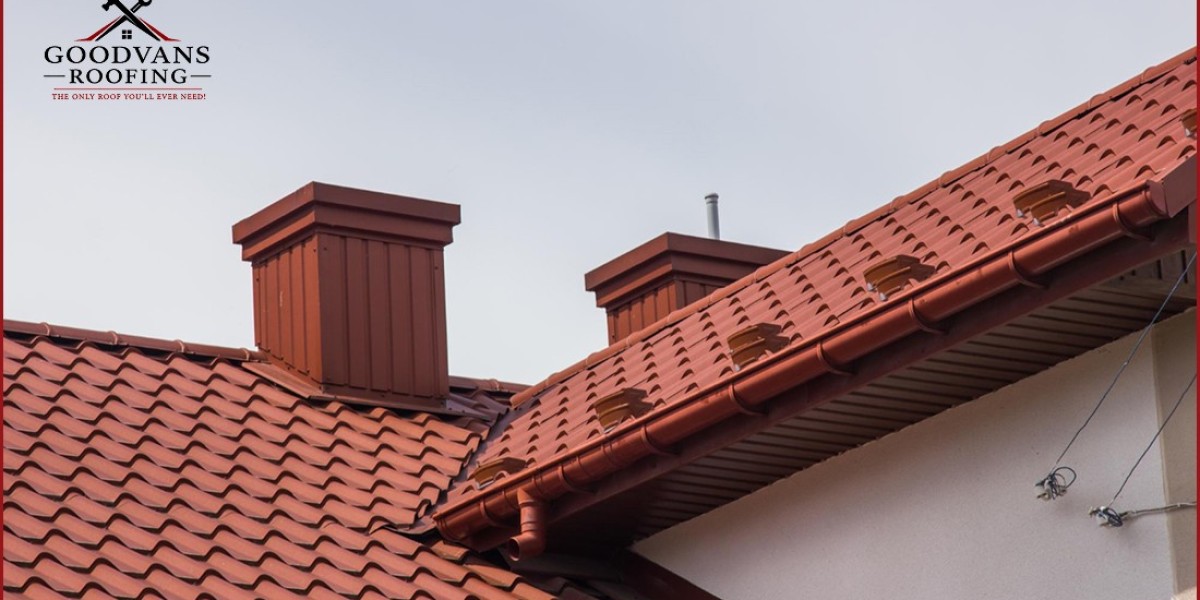


Concrete and clay are often grouped together as tile roofing. Once they're on your roof, they're not the same. The weight will differ. Water behaves differently. The same goes for colour retention and upkeep. That matters for a Vancouver homeowner, because this region gets heavy, sustained rainfall for much of the year. It’s what determines which trade-offs are worth making. Neither has a default winner. It comes down to your roof's structure, your budget and how much maintenance you really want to do. A reputable tile roofing company in Vancouver can assess these factors and help homeowners choose the right tile for their home. This guide compares the two materials on the factors that affect a Vancouver home.
Concrete vs. Clay Tile Roofing: What’s the Difference?
Choosing between a concrete and a clay tile roof starts with what each one is. Concrete tiles are made by moulding sand, cement and water and curing. Clay tiles are made of natural clay and are baked in a kiln which makes them a harder, denser surface.
That difference can be obvious in the long term. Colour retention depends on the manufacturing process and finish, but clay tile roofing often retains its colour longer, as the pigment is usually run through the fired material rather than sitting on the surface. Concrete tile roofing generally gets its colour from a surface coating. Depending on the product and exposure, some concrete finishes will fade or become chalky in appearance as they age. Concrete, however, comes in more shapes and profiles, including some that look like slate or wood shake and may be a cheaper option depending on the product.
Both are dense, fire-resistant materials for residential roofs, provided they’re installed correctly. The clay of the two is the harder, more brittle one, and that impacts how it is walked on and repaired. Neither is low maintenance just because it is tile.
Tile Roof Weight and Building Support Requirements
Before selecting either material, ensure the roof can bear the load. Tile is heavier than a lot of other common roofing materials. Of the two types, concrete tile is typically heavier, while clay tile is usually a little lighter depending on the product.
The weight is carried by the rafters, trusses and framing; older houses or roofs built for lighter materials may not have been designed to take tile. This isn't something a homeowner can see with the naked eye. A qualified assessment of the framing and deck condition is a key part of professional tile roof services.
How concrete and clay tiles hold up against Vancouver rain and moss
Vancouver’s excessive rain is the primary factor in the performance of any roof here, tile included. Both materials are water resistant on their surfaces individually, but tile is only one layer of a larger system, and what happens underneath and surrounding it is usually what determines whether a roof stays dry.
No individual layer can keep the roof dry by itself. The waterproof barrier under the tiles is called underlayment, and it does most of the work when the rain is driving. But flashing around chimneys, valleys and roof penetrations prevents the water from making its way in at the joints, where a roof is most vulnerable. Drainage and ventilation are also important because moisture trapped under tiles encourages moss growth on shaded slopes that stay moist longer. How important that is depends on the material and how bad the growth is, but moss and debris left in valleys and gutters hold moisture against the surface and interfere with drainage, so it's worth clearing them regularly.
For homeowners comparing tile roofing in Vancouver, the material is not as important as the underlayment, flashing, and installation behind the material. Good tile with bad flashing leaks before average tile with good flashing ever does.
Vancouver Tile Roof Cost & Lifespan
Tile roof costs in Vancouver depend on the project. One number doesn't fit all homes. Most of the cost is driven by roof size. Add in material choice, how easy the site is to access, whether the structure needs reinforcing, deck condition, and how complex the roofline is, and the number moves fast. Tile installation takes longer than lighter materials, so labour is a big part of either project's total.
Tile roof lifespan depends on more than the tile itself. The quality of installation, the underlayment, flashing and ongoing maintenance all matter. A properly installed and maintained tile roof is generally a long-term investment. It would be incorrect to quote a specific number of years without knowing the product and installation history. It would be better to ask a contractor what affects longevity for your setup.
What are the top tile roofing choices for your Vancouver home?
There is no single answer. That depends on the property. Budget is often the starting point and choosing concrete because it fits the project cost more comfortably is a valid reason not a compromise. Roof structure is also important, because a home that can't accommodate the heavier option might have that decision made for it before appearance even comes into play. Beyond that, consider how long you plan to own the home and how much fading and maintenance you can tolerate.
If tile isn’t quite your thing, Vancouver’s tile roofing is right there with other durable options. Some homeowners compare it to cedar shake roofing for a more natural look, or metal roofing and metal shingles where weight is a limiting factor. The only way to narrow this down accurately is to do a proper assessment.
Why Should You Use GoodVans Roofing for Tile Roof Services?
How do you pick a trustworthy tile roofing company in Vancouver? It really comes down to what the contractor does before recommending anything. You want one that will check out the existing structure, look at drainage and the condition of the roof, and examine the underlayment and flashing, not just the tile you can see. From there, a good contractor walks you through material options and sets out a clear scope of work, not a vague estimate.
GoodVans Roofing takes this approach to tile projects, starting with the roof’s structure and condition before discussing material choice. If you are comparing concrete with clay, then a site visit is more useful than general information alone.
FAQs
1. What is better for Vancouver’s climate, concrete or clay tile?
No flat winner here. Both works fine here when the install is done right. Clay usually holds its colour better. Concrete is cheaper and has more options for design. Frankly, the quality of the underlayment and flashing is more important than what tile you pick.
2. How long will a tile roof last in Vancouver?
There is no magic number. The life expectancy of a tile roof varies depending on the product, quality of installation, underlayment and flashing used, and maintenance. Your contractor should tell you what impacts longevity for your project, not just give you a generic number.
3. Do tile roofs need extra roof support?
Not always, but it should be checked. Tile is heavier than many roofing materials in common use, especially concrete, so you’ll want to have the existing structure evaluated before installation. Some roofs already have sufficient framing capacity, and others require reinforcement. Which is the case for your home? Only a qualified assessment will tell.