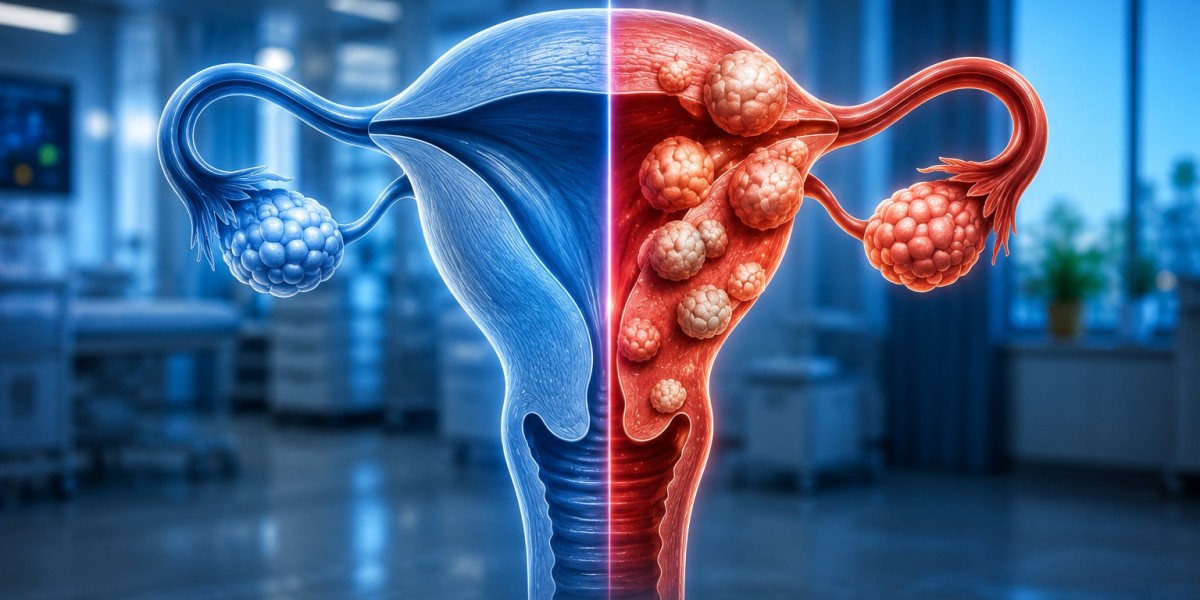


Uterine fibroids do not behave the same way throughout a woman's life. They often develop during the reproductive years, may change during pregnancy because of hormonal influences, and frequently become stable or shrink after menopause.
However, every woman experiences fibroids differently, which is why regular medical evaluation is important when symptoms develop or change over time.
Many women wonder whether fibroids will continue growing forever or eventually disappear. The answer depends largely on hormonal changes and the stage of life. Understanding how uterine fibroids behave during different phases of life helps women know what to expect and when medical advice may be beneficial.
Why Do Fibroids Change Over Time?
Uterine fibroids are non-cancerous growths that develop from the muscular wall of the uterus.
Their growth is influenced by naturally occurring reproductive hormones, particularly estrogen and progesterone.
According to the American College of Obstetricians and Gynecologists (ACOG), fibroids most commonly develop during the reproductive years when hormone levels are highest.
As hormone levels change throughout life, fibroid behaviour often changes as well.
What Happens During the Reproductive Years?
Most fibroids develop between adolescence and menopause.
During these years, women may experience:
Heavy menstrual bleeding
Pelvic pressure
Frequent urination
Pelvic discomfort
Enlarging fibroids
Some women remain completely symptom-free, while others develop symptoms that gradually interfere with daily life.
The reproductive years are when fibroids are most likely to be diagnosed.
How Can Pregnancy Affect Fibroids?
Pregnancy may influence fibroids differently in different women.
Hormonal changes during pregnancy can sometimes cause fibroids to increase in size.
Depending on the size and location of the fibroid, some women experience:
Pelvic discomfort
Pressure
Pain caused by degeneration
Pregnancy-related monitoring
Many women complete healthy pregnancies despite having fibroids.
Doctors carefully monitor fibroids during pregnancy when they may affect maternal comfort or pregnancy management.
Do Fibroids Continue Growing Forever?
No.
Not every fibroid continues growing indefinitely.
Some remain stable for years, while others enlarge gradually before becoming stable again.
Growth depends on:
Hormonal activity
Age
Fibroid location
Individual biology
Because growth patterns are unpredictable, periodic imaging helps doctors monitor meaningful changes.
What Happens Around Menopause?
As women approach menopause, hormone levels begin declining.
Because fibroids depend on reproductive hormones, many become stable or gradually shrink after menopause.
According to the National Health Service (NHS), fibroid symptoms often improve naturally after menopause because estrogen levels decrease.
However, this does not occur in every woman.
Some fibroids may continue causing symptoms that require medical evaluation.
Can Fibroids Still Cause Problems After Menopause?
Yes.
Although many fibroids become less active after menopause, persistent symptoms should never be ignored.
Women should seek medical assessment if they experience:
Postmenopausal bleeding
Persistent pelvic pain
Increasing abdominal swelling
New urinary symptoms
Doctors evaluate these symptoms carefully to determine whether fibroids or another gynecological condition is responsible.
How Do Doctors Monitor Fibroids Throughout Life?
Monitoring depends on symptoms rather than age alone.
Evaluation may include:
Medical history
Pelvic examination
Ultrasound imaging
Magnetic Resonance Imaging (MRI) when required
Regular imaging helps doctors assess:
Fibroid size
Number
Location
Changes over time
Monitoring allows treatment decisions to be based on current findings rather than assumptions.
Does Every Woman Need Treatment?
No.
Treatment depends on:
Symptom severity
Fibroid growth
Fertility goals
Overall health
Imaging findings
Some women only require regular observation.
Others may benefit from medication or minimally invasive procedures such as Uterine Fibroid Embolization (UFE), which blocks the blood supply to fibroids and allows them to gradually shrink while preserving the uterus.
Treatment recommendations are individualized for every patient.
Why Is Regular Evaluation Important?
Fibroids may remain unchanged for years or begin producing new symptoms as life stages change.
Regular evaluation allows doctors to:
Monitor growth
Assess symptom progression
Discuss fertility planning
Recommend treatment when appropriate
Early assessment provides more treatment options before symptoms significantly affect quality of life.
Conclusion
Uterine fibroids often change throughout a woman's life because of natural hormonal changes. They commonly develop during the reproductive years, may behave differently during pregnancy, and often become smaller after menopause. Although many women never require treatment, others experience symptoms that change as they move through different life stages.
The encouraging news is that modern imaging allows doctors to monitor fibroids accurately and recommend treatment only when it becomes necessary. Regular medical follow-up helps women understand how their fibroids are changing and supports timely, personalized care. Those interested in uterus-preserving treatment options can consult an interventional radiologist Jaipur to learn more about advanced fibroid management.
Frequently Asked Questions
At what age do uterine fibroids usually develop?
Fibroids most commonly develop during the reproductive years, although they may remain undetected for many years.
Can pregnancy make fibroids grow?
Yes. Hormonal changes during pregnancy may cause some fibroids to increase in size, although this varies between women.
Do fibroids disappear after menopause?
Many fibroids become smaller after menopause because hormone levels decline, but they do not always disappear completely.
Should fibroids after menopause be evaluated?
Yes. Persistent symptoms such as pelvic pain, abdominal enlargement, or postmenopausal bleeding should always be medically assessed.
Can fibroids change even without symptoms?
Yes. Fibroids may grow, remain stable, or shrink over time, which is why periodic medical follow-up is often recommended.








