

QKS Group’s Accounts Receivable Application (ARA) provides a comprehensive analysis of the global market, covering technological advancements, emerging market trends, competitive developments, and the future market outlook. The research helps technology vendors understand the evolving ARA landscape and refine their competitive strategies while enabling enterprises to evaluate vendor capabilities, market positioning, and technological innovation.
What Is an Accounts Receivable Application?
An Accounts Receivable Application is a financial technology solution designed to optimize the invoice-to-cash process. It enables organizations to manage activities such as invoice processing, customer collections, payment management, cash application, credit risk assessment, and reconciliation through automated workflows.
Modern ARA platforms can incorporate predictive AI, automated dunning, payment portals, cash-flow forecasting, and ERP integrations. These capabilities help finance teams reduce manual intervention and improve the efficiency of accounts receivable operations.
By connecting collections, payments, customer data, and financial systems, organizations can gain greater visibility across the entire receivables lifecycle.
AI Is Reshaping Accounts Receivable Management
Artificial intelligence is becoming one of the major technology drivers in the Accounts Receivable Application market.
Traditional receivables management often requires finance teams to manually identify overdue accounts, prioritize collections, and determine appropriate customer follow-up actions. AI-enabled ARA platforms can analyze payment behavior, customer history, transaction patterns, and other financial signals to support more intelligent decision-making.
Predictive AI can help organizations identify customers that may become delinquent, prioritize collection activities, and forecast potential cash-flow outcomes. This allows finance teams to shift from reactive collections toward proactive receivables management.
Reducing Days Sales Outstanding
Reducing Days Sales Outstanding (DSO) is a key objective for many organizations seeking to improve working capital.
An Accounts Receivable Application can contribute to lower DSO by accelerating collections, improving payment visibility, automating follow-ups, and identifying potential payment risks earlier.
Faster cash recovery can improve liquidity and give organizations greater flexibility in managing operational expenses, investments, and other financial commitments.
Self-Service Payment Portals and Customer Experience
Accounts receivable is not only a finance function; it also affects customer relationships. Complicated payment processes can create friction for customers and delay collections.
Modern Accounts Receivable Application platforms increasingly provide self-service payment portals that allow customers to access invoices, review account information, select payment options, and communicate regarding outstanding balances.
These capabilities can make payment processes more convenient while supporting stronger buyer-supplier relationships.
“Accounts Receivable Application (ARA) solutions are critical financial tools that empower organizations to optimize the invoice-to-cash process, streamline collections workflows, and enhance working capital management.”
ERP Integration and Connected Finance Operations
Integration with core ERP and financial systems is a critical capability for an Accounts Receivable Application.
Modern organizations rely on interconnected systems to manage customer information, invoices, payments, accounting, and financial reporting. Integrating ARA platforms with ERP environments can reduce data silos and improve information consistency.
Seamless integration also enables finance teams to access relevant receivables information without relying heavily on manual data transfers.
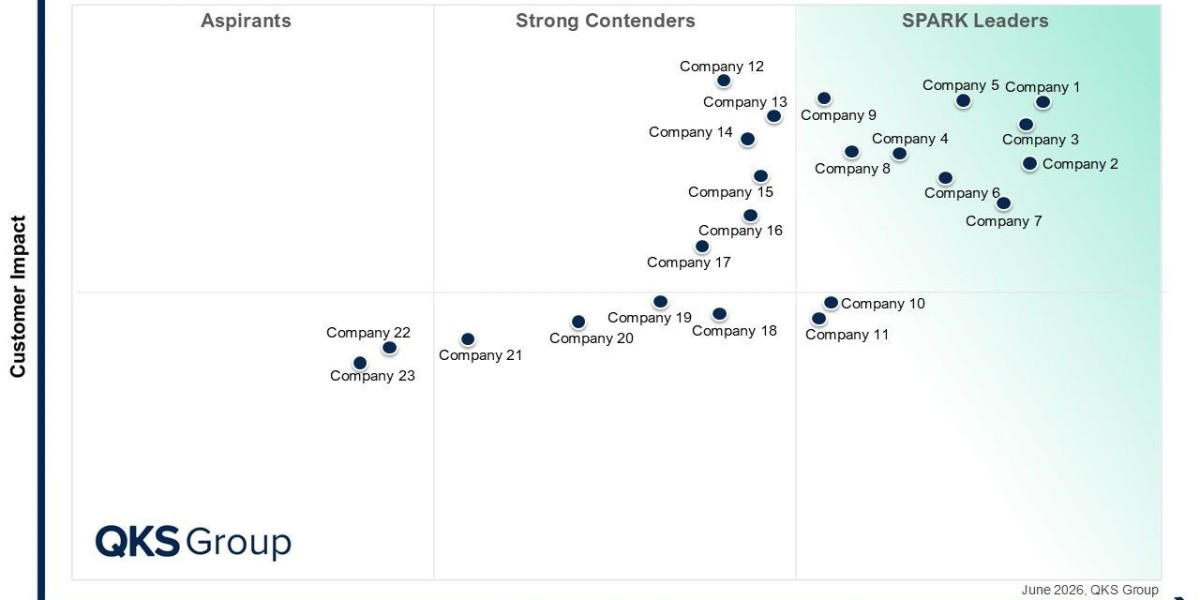
QKS Group SPARK Matrix™: Accounts Receivable Application
QKS Group’s proprietary SPARK Matrix™ provides a detailed competitive analysis and vendor evaluation of the global Accounts Receivable Application market. The framework evaluates and ranks leading ARA vendors based on their global impact, market positioning, and technological innovation.
The SPARK Matrix analysis includes vendors such as Aptic, Bilendo, Bill, Billtrust, BlackLine, BlueSnap, Esker, FIS Global, Gaviti, Growfin, HighRadius, Odoo, Oracle NetSuite, Quadient, Sage, SAP, Serrala, Sidetrade, Tesorio, Upflow, Versapay, Workday, and Xero.
The evaluation provides enterprises with insights into vendor capabilities, competitive differentiation, technological innovation, and market positioning. It also enables technology providers to better understand competitive dynamics and identify opportunities for innovation and growth.
Business Benefits of Accounts Receivable Applications
Organizations adopting an Accounts Receivable Application can gain several operational and financial benefits, including:
- Faster invoice-to-cash cycles
- Reduced manual collections activities
- Lower Days Sales Outstanding
- Improved cash recovery
- Automated payment reminders and dunning
- Better credit risk visibility
- Improved cash-flow forecasting
- Enhanced working capital management
- Greater financial process accuracy
- Stronger customer and supplier relationships
- Improved integration with ERP systems
These capabilities can help finance teams move toward more automated, proactive, and data-driven receivables management.
Future Outlook for the Accounts Receivable Application Market
The future of the Accounts Receivable Application market will increasingly be shaped by predictive AI, intelligent automation, real-time payment capabilities, advanced analytics, and deeper integration with enterprise finance ecosystems.
AI-powered systems are expected to become more effective at predicting payment behavior, identifying collection risks, recommending next-best actions, and forecasting cash flow. Automation will also continue to reduce repetitive finance activities while enabling employees to focus on complex exceptions and strategic financial decisions.
Conclusion
The Accounts Receivable Application market is transforming traditional receivables management through AI, automation, predictive analytics, and connected financial workflows. By streamlining collections, improving payment processes, supporting credit risk management, and enhancing cash-flow visibility, ARA solutions can help organizations accelerate cash recovery and optimize working capital.
QKS Group’s Accounts Receivable Application market research and SPARK Matrix™ provide valuable insights into emerging technologies, market trends, vendor capabilities, competitive positioning, and future opportunities.
As organizations move toward digital-first finance operations, Accounts Receivable Applications will play an increasingly important role in reducing DSO, improving liquidity, strengthening customer relationships, and creating more efficient invoice-to-cash processes.
#AccountsReceivableApplication #AccountsReceivable #ARAutomation #AccountsReceivableSoftware #InvoiceToCash #CollectionsAutomation #FinanceAutomation #AIinFinance #FinTech #SPARKMatrix #QKSGroup









