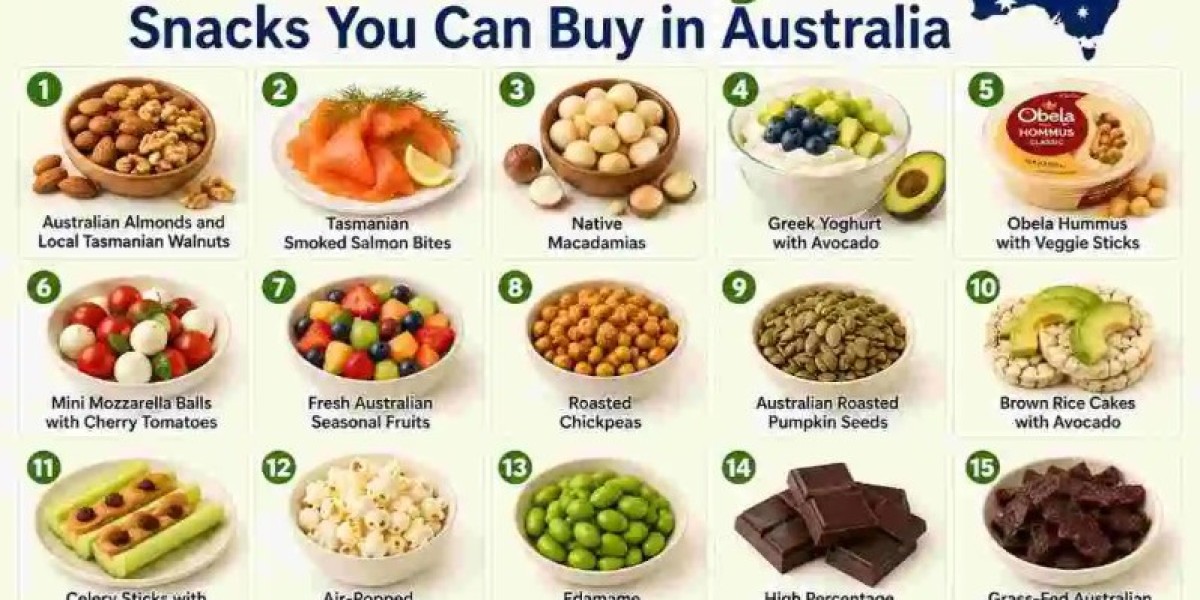


When hunger strikes between breakfast, lunch, and dinner, having a nutritious option ready can make a significant difference to the way you feel throughout the day. Australia offers an impressive variety of fresh produce, wholesome packaged foods, dairy products, whole grains, nuts, seeds, and convenient ready-to-eat choices, so eating well between meals does not have to be complicated. For anyone looking for Healthy Snacks You Can Buy in Australia, the most useful approach is to focus on foods that provide a combination of flavour, nourishment, convenience, and satisfaction. Fresh fruit is one of the easiest choices because apples, bananas, pears, oranges, mandarins, grapes, peaches, plums, and berries can usually be enjoyed with little or no preparation. Fruit provides natural sweetness along with fibre, vitamins, minerals, and water, making it a convenient alternative to many highly processed sweet snacks. Bananas are particularly practical because they come in their own natural covering and can be carried to work, school, university, or while travelling. Apples and pears are also excellent choices because they are relatively durable and can remain fresh for a reasonable amount of time. Mandarins are convenient for people who prefer smaller portions, while berries can be enjoyed with plain yoghurt, oats, or a small handful of nuts. Vegetables can be just as useful for snacking, especially when they are prepared in advance. Carrot sticks, cucumber slices, celery, cherry tomatoes, and capsicum strips can be stored in the refrigerator and paired with hummus for a crunchy and satisfying option. Yoghurt is another versatile choice, particularly plain or Greek-style yoghurt, which can be combined with fruit, oats, seeds, or cinnamon. People who prefer savoury flavours can consider boiled eggs, cottage cheese, tuna with wholegrain crackers, or avocado spread over wholegrain toast. Unsalted almonds, walnuts, pistachios, cashews, and mixed nuts can also make convenient snacks because they contain protein, fibre, and predominantly unsaturated fats. However, nuts are energy-dense, so eating an appropriate portion rather than continuously snacking from a large packet can be helpful. Wholegrain crackers and crispbreads can provide a useful base for toppings such as hummus, avocado, cottage cheese, tomato, or tuna. Plain popcorn is another option for people who enjoy something crunchy, particularly when it is lightly seasoned rather than heavily coated with butter, sugar, or salt. The important thing is to understand that a nutritious snack does not need to be expensive, exotic, or sold in specialist health-food packaging. Many of the best choices can be found during an ordinary supermarket visit. Instead of selecting a snack simply because its package contains words such as “natural,” “fitness,” or “healthy,” shoppers can look at the ingredients and nutrition information to understand what they are actually buying. A snack containing useful amounts of fibre or protein may be more satisfying than one that is mostly refined carbohydrate or added sugar. Similarly, comparing similar packaged products can help shoppers choose an option with less added sugar, sodium, or saturated fat. The purpose of snacking is not to follow a perfect food plan every day but to have practical choices available when hunger appears. Some people may not need snacks regularly, while others may find that a small meal between main meals helps them maintain energy and concentration. Individual needs depend on age, activity level, appetite, daily routine, and personal dietary preferences. Therefore, the best snack is ultimately one that fits comfortably into an individual’s overall eating pattern. Australia makes this easier because supermarkets, markets, local grocers, and convenience stores offer a wide range of fresh and packaged foods. With a little planning, it is possible to create a snack routine that is nutritious without being restrictive, boring, or difficult to maintain.
Building a varied snack selection at home can make everyday eating considerably easier, particularly for people with busy schedules. A useful way to begin is by creating a list of 15 healthy snacks in australia that covers different tastes, textures, and nutritional qualities rather than relying on one type of food. Fresh apples, bananas, pears, mandarins, berries, unsalted almonds, unsalted mixed nuts, plain yoghurt, boiled eggs, cottage cheese, vegetable sticks with hummus, wholegrain crackers with avocado, plain popcorn, roasted chickpeas, and tuna with wholegrain crackers provide a broad collection of ideas that can be adapted according to personal preferences. These foods can be mixed and matched instead of being eaten in exactly the same combinations every day. For example, a person who enjoys sweet snacks might choose yoghurt with berries in the morning and an apple with a small serving of nuts later in the afternoon. Someone who prefers savoury food could have vegetable sticks with hummus, followed by a boiled egg and wholegrain crackers. A person who needs something more substantial might combine avocado toast with tomato or pair tuna with wholegrain crispbread. This flexibility is important because people are more likely to maintain a healthy eating routine when the food they eat is enjoyable. A snack should not feel like a punishment for wanting to eat. Taste, texture, aroma, colour, and convenience all influence food choices, so nutritious foods should be made appealing rather than simply being selected because they have a reputation for being healthy. Children, teenagers, office workers, athletes, parents, and older adults can all have different snack preferences and nutritional requirements. For children, fruit cut into appealing shapes, yoghurt with berries, wholegrain crackers with cheese, or vegetables with hummus may be more attractive than plain vegetables served without any preparation. Adults may prefer portable foods that can be kept at work, such as nuts, fruit, roasted chickpeas, wholegrain crackers, or shelf-stable options that can be stored safely. People who exercise may want a combination of carbohydrate and protein around their activity, depending on their individual needs and the type and duration of exercise. Those spending long periods travelling may benefit from foods that are easy to transport, while people working from home can take advantage of refrigerated choices such as yoghurt, cottage cheese, or prepared vegetables. Portioning snacks in advance is another practical strategy. A large packet of nuts, crackers, or popcorn can make it difficult to notice how much has been consumed, particularly while working at a computer or watching television. Dividing the food into smaller containers or serving bowls can make portions easier to manage without requiring strict calorie counting. The same principle can be applied to dried fruit, which can be nutritious but is more concentrated than fresh fruit and therefore easy to consume in large quantities. Another useful habit is to keep healthier foods visible and ready to eat. A fruit bowl placed where it can easily be seen may encourage people to choose fruit more often. Washed vegetables stored in a transparent container can make an afternoon snack almost effortless. Yoghurt can be placed at the front of the refrigerator, while small containers of nuts can be prepared for work or travel. Preparation does not need to take hours. Washing fruit, boiling a few eggs, chopping vegetables, or dividing nuts into portions can take only a short time but can prevent rushed decisions later. When nutritious foods are convenient, people are less dependent on vending machines, takeaway foods, biscuits, confectionery, or other discretionary choices when hunger suddenly appears. The goal is not to eliminate these foods entirely but to make nourishing options a normal and convenient part of daily life. Variety also prevents boredom. Rotating different fruits throughout the week, changing yoghurt toppings, experimenting with different vegetable combinations, and alternating between sweet and savoury choices can make snacks more interesting. This approach supports a balanced relationship with food because it allows enjoyment while still prioritising foods that provide valuable nutrients.
Budget-friendly shopping is another important part of creating a sustainable snack routine, because healthy eating becomes much easier when nutritious foods are affordable and readily available. Fortunately, many simple snack ingredients do not require a large grocery budget. Bananas, apples, carrots, cucumbers, oats, eggs, plain yoghurt, wholegrain bread, chickpeas, beans, popcorn kernels, and seasonal fruit can all provide economical options. Buying fruit and vegetables when they are in season can help people enjoy better flavour while managing costs. Frozen fruit can also be useful when certain fresh varieties are expensive, and it can be blended with yoghurt or added to oats for a quick snack. Canned legumes can be convenient and affordable, especially when lower-sodium varieties are selected or the contents are rinsed before eating. Eggs can provide a versatile source of protein and can be prepared in advance for quick snacks. Plain oats can be combined with yoghurt, milk, fruit, cinnamon, or seeds to create a filling snack that requires little preparation. Homemade popcorn can be significantly more economical than purchasing heavily flavoured packaged varieties, and it can be seasoned with herbs, spices, or a small amount of salt according to preference. Wholegrain bread can be used for toast topped with avocado, cottage cheese, tomato, or nut butter. Planning a grocery list around several basic ingredients can reduce impulse purchases and food waste. For example, one week of shopping could include bananas, apples, carrots, cucumbers, plain yoghurt, eggs, hummus, wholegrain bread, chickpeas, and a small bag of unsalted nuts. These ingredients can produce many different combinations throughout the week. Bananas can be eaten alone or sliced into yoghurt, apples can be paired with nuts, vegetables can be served with hummus, eggs can be eaten with wholegrain toast, and chickpeas can be roasted with herbs and spices. Such flexibility makes nutritious snacking less expensive than buying a different specialty product every day. Storage also matters. Perishable foods such as yoghurt, eggs, hummus, cut vegetables, cheese, and tuna should be stored appropriately and kept refrigerated when required. People taking food to work, school, outdoor activities, or travel should consider how long it will remain outside refrigeration and use an insulated lunch bag or suitable cooling method when necessary. Good food safety practices are especially important with foods containing dairy, eggs, seafood, or other ingredients that can spoil when left at unsuitable temperatures. Convenience should never mean ignoring safe food handling. Another useful strategy is to prepare snacks shortly after returning from the grocery store. Washing fruit, cutting vegetables, boiling eggs, and dividing nuts into small portions can reduce the amount of work required later. When a nutritious snack is already prepared, it becomes much easier to choose it during a busy afternoon. This can be particularly helpful for families because children often become hungry at predictable times after school or during weekends. Keeping several choices available allows each family member to select something according to their preferences. Parents can offer combinations such as fruit and yoghurt, vegetables with hummus, wholegrain crackers with cheese, or banana with a small amount of nut butter, while still allowing children to develop their own preferences. Adults can use the same principle at work by keeping suitable snacks in a desk drawer or office refrigerator. People who work remotely can create a small snack area in the kitchen so that healthy options are easy to see. The overall objective is to create an environment in which nutritious food is convenient rather than difficult. When a nutritious snack is already prepared, it becomes much easier to choose it during a busy afternoon.
For anyone searching for healthy snacks in australia, supermarkets offer enough variety to suit almost every preference, from sweet and fruity choices to savoury, crunchy, creamy, and protein-rich options. One of the simplest ways to shop is to divide snack choices into categories and select a few foods from each. Fresh fruit can cover naturally sweet options, vegetables can provide crunch and fibre, yoghurt and cheese can provide dairy-based choices, eggs and tuna can provide convenient protein, nuts and seeds can supply healthy fats, and wholegrain breads or crackers can provide satisfying carbohydrates. Legumes such as chickpeas and beans can also be turned into useful snacks through hummus, roasted chickpeas, or simple seasoned mixtures. This approach creates variety without requiring shoppers to purchase dozens of different products. It also makes it easier to accommodate different situations. A person heading out for a long day might pack an apple, a small portion of nuts, and wholegrain crackers. Someone working from home might choose yoghurt with berries, while a person wanting something savoury could prepare cucumber and carrot sticks with hummus. After exercise, a combination of yoghurt and fruit or wholegrain toast with a protein-rich topping may be suitable depending on individual nutritional needs. During a road trip, whole fruit, unsalted nuts, roasted chickpeas, and suitable shelf-stable foods can be easier to transport than highly perishable items. At the office, single-serve yoghurt, fruit, wholegrain crackers, or pre-portioned nuts can reduce the temptation to purchase highly processed foods from vending machines. There is also an important psychological side to snacking. People frequently choose foods because they are comforting, familiar, convenient, or enjoyable, not simply because they are hungry. Trying to completely remove favourite foods can sometimes make a healthy eating routine feel restrictive. A more sustainable approach is to make nutritious foods the usual choices while leaving room for occasional treats. Chocolate, biscuits, chips, cakes, ice cream, and confectionery can all be enjoyed from time to time without turning an otherwise balanced eating pattern into an unhealthy one. What matters is frequency, portion size, and the overall diet. The same principle applies to products marketed as “healthy.” A protein bar, granola product, flavoured yoghurt, or baked snack may be convenient, but its nutritional value depends on the ingredients and quantities of sugar, sodium, saturated fat, fibre, and protein it contains. Marketing should therefore be treated as a starting point rather than proof of nutritional quality. Comparing similar products can help consumers identify the option that better fits their needs. People with allergies or specific dietary requirements should also read labels carefully, particularly when buying packaged foods. Gluten-free, dairy-free, vegetarian, vegan, low-sodium, and other dietary requirements may influence which snacks are appropriate, and product formulations can change over time. For people managing a medical condition or following a specialised diet, individual professional advice is more appropriate than relying on general snack lists. For most shoppers, however, a flexible approach works well: buy foods that are naturally nutritious, keep a few convenient packaged choices available, combine foods when additional satisfaction is needed, and pay attention to hunger and fullness. This strategy can make snack planning much less stressful. Instead of asking whether every single snack is perfect, it is more helpful to consider whether the pattern across the day and week contains enough variety. If most snacks are based around fruit, vegetables, whole grains, legumes, yoghurt, eggs, nuts, seeds, and other nutrient-rich foods, there is room for occasional indulgence without guilt. The best snack routine is one that can continue for months and years, not merely for a few days while following a temporary diet.
There are also many ways to make ordinary snacks more interesting so that nutritious eating never becomes repetitive. A basic bowl of yoghurt, for example, can be transformed with sliced banana, berries, oats, chia seeds, pumpkin seeds, cinnamon, or chopped nuts. Wholegrain toast can be topped with avocado and tomato, cottage cheese and cucumber, hummus and roasted vegetables, or nut butter and banana. Vegetable sticks can be paired with hummus, yoghurt-based dips, or other suitable spreads to create different flavours throughout the week. Fruit can be served fresh, chilled, mixed into yoghurt, added to oats, or combined with a small portion of nuts. Popcorn can be seasoned with herbs and spices, while roasted chickpeas can be flavoured with paprika, garlic, cumin, or other seasonings. These simple changes can make familiar ingredients feel completely different without requiring complicated cooking. Presentation can also influence enjoyment. A colourful bowl containing berries, banana, yoghurt, and seeds may be more appealing than eating each ingredient separately. A small platter of cucumber, carrot, capsicum, hummus, and wholegrain crackers can create a satisfying afternoon snack. Families can prepare snack plates that contain several small portions rather than one large item, allowing everyone to choose according to taste. This can also help children become familiar with different foods without pressure. Variety is particularly valuable because different foods provide different nutrients. Eating a broad selection of fruit, vegetables, whole grains, legumes, dairy or alternatives, nuts, seeds, eggs, and other protein-rich foods can contribute to a balanced dietary pattern. At the same time, not every snack needs to contain every nutrient. A piece of fruit may be perfectly suitable when someone simply wants something light, while a combination such as yoghurt with oats and berries may be more appropriate when several hours remain before the next meal. Paying attention to context makes snack decisions easier. Before choosing something, it can help to consider how hungry you are, when you last ate, how active you have been, and when the next meal will be. If the next meal is soon, a small snack may be enough. If several hours remain, a more substantial combination may provide better satisfaction. This approach also helps prevent mindless eating. Sitting down for a snack, rather than automatically eating while working or scrolling on a phone, can make it easier to notice flavour and fullness. Drinking water alongside food can also support a comfortable eating routine. People who frequently snack because of boredom or stress may benefit from identifying whether they are physically hungry or simply seeking stimulation. This does not mean emotional eating is wrong; food naturally has an emotional and social role. It simply means understanding the reason for eating can make choices more intentional. Australia’s broad food culture also means that nutritious snacks can draw inspiration from many cuisines. Chickpeas, yoghurt, vegetables, whole grains, nuts, seeds, and herbs can be used in countless combinations influenced by Mediterranean, Middle Eastern, Asian, Indian, and other culinary traditions. This allows people to enjoy strong flavours while still building snacks around nutritious ingredients. Healthy eating does not have to mean plain food. Spices, herbs, lemon, garlic, cinnamon, pepper, chilli, and fresh produce can add substantial flavour without relying entirely on large amounts of sugar, salt, or saturated fat. By experimenting with combinations, shoppers can discover personal favourites that are enjoyable enough to become regular choices.
Ultimately, choosing nutritious snacks in Australia is about creating a practical balance between health, convenience, taste, affordability, and personal lifestyle. There is no single snack that everyone needs to eat, and there is no requirement to follow a rigid list simply because it is labelled healthy. Instead, shoppers can build their own selection around foods they enjoy and can realistically purchase, store, and prepare. Fresh fruit, vegetables, plain yoghurt, eggs, unsalted nuts, seeds, wholegrain bread, wholegrain crackers, hummus, chickpeas, cottage cheese, tuna, avocado, and plain popcorn provide a strong foundation for countless snack combinations. When greater fullness is needed, combining foods can be particularly useful. Fruit with yoghurt, vegetables with hummus, wholegrain crackers with cottage cheese, apple with nuts, or wholegrain toast with avocado and a protein-rich topping can create more balanced options than relying on highly processed snacks. For busy people, preparing food ahead of time can be one of the most effective habits. A few minutes spent washing fruit, chopping vegetables, boiling eggs, or portioning nuts can make a major difference later in the day. Keeping suitable snacks at home, at work, or in a bag can also prevent hunger from turning into an urgent search for whatever food happens to be available. At the supermarket, shoppers can compare similar products and pay attention to serving sizes, ingredients, fibre, protein, sodium, added sugars, and saturated fat rather than trusting packaging claims alone. It is also useful to remember that nutritious eating is a pattern rather than a single meal. One snack will not determine someone’s health, just as one indulgent food will not undo an otherwise balanced diet. Consistency matters much more than perfection. People should also recognise that their needs can change. A person who is highly active may require more energy than someone who spends most of the day sitting, while children and teenagers have different requirements from adults. Older adults may have different appetite and nutrient considerations as well. For anyone with allergies, intolerances, medical conditions, or specialised dietary needs, individual guidance from a qualified health professional can be valuable. For general shoppers, however, keeping food choices simple can be highly effective. Choose a variety of colourful fruits and vegetables, include wholegrain foods, select useful protein sources, enjoy nuts and seeds in sensible portions, drink water regularly, and limit snacks that are consistently high in added sugars, saturated fats, or salt. Most importantly, make nutritious food enjoyable. The easiest healthy habit to maintain is one that fits naturally into everyday life. Whether someone wants a quick piece of fruit before a meeting, yoghurt after school, nuts during a road trip, vegetables and hummus in the afternoon, or wholegrain toast when a more substantial snack is needed, Australia provides plenty of accessible possibilities. A thoughtful approach to shopping can turn the snack cupboard and refrigerator into sources of convenient nourishment rather than collections of last-minute options. By planning ahead, choosing a mixture of fresh and convenient foods, experimenting with different flavours, and listening to personal hunger cues, anyone can develop a flexible snack routine that supports an enjoyable and balanced lifestyle. The real goal is not to search endlessly for the “perfect” product but to make good choices easy, varied, and satisfying. When nutritious snacks become a normal part of grocery shopping and daily routines, eating between meals can be simple, enjoyable, and compatible with a healthy overall lifestyle.









