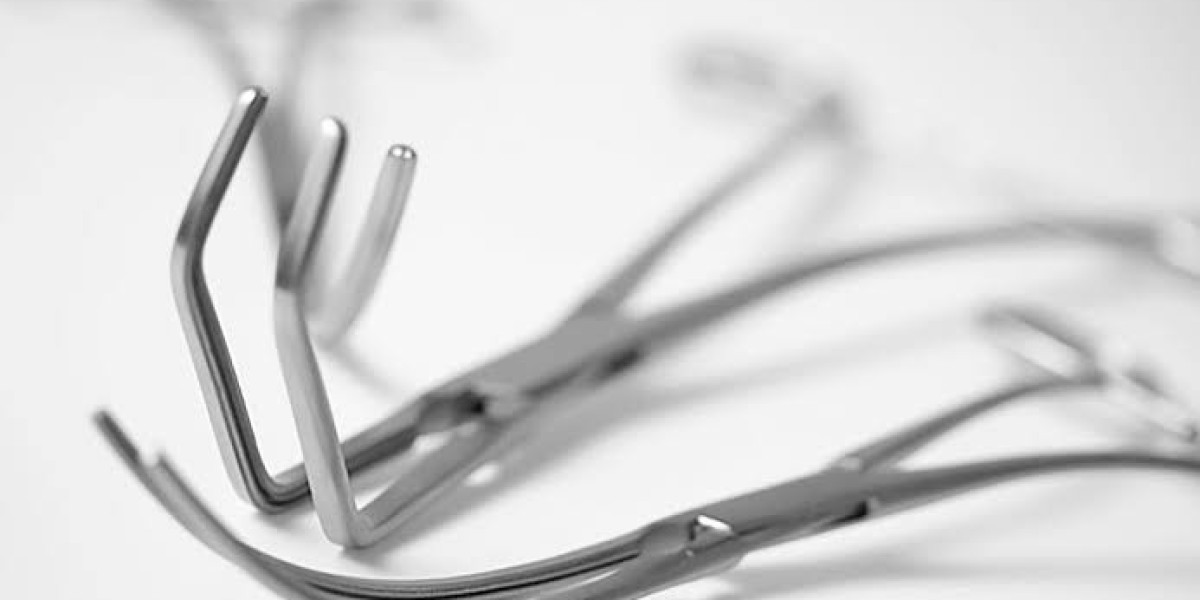


Medical instruments are fundamental to modern healthcare. From routine examinations to complex procedures, healthcare professionals depend on specialized tools designed for particular clinical applications. Surgical, dental, and ophthalmic instruments each serve different purposes, and their designs reflect the unique requirements of the medical specialties in which they are used.
Understanding these instruments is important for healthcare professionals, medical students, hospital procurement teams, clinics, and anyone involved in the selection and management of professional medical equipment. Choosing the appropriate instrument involves considering its purpose, design, material, size, ergonomics, durability, and maintenance requirements.
This guide provides an overview of surgical, dental, and ophthalmic instruments, explains their common uses, discusses their differences, and highlights important factors to consider when selecting and maintaining them.
What Are Medical Instruments?
Medical instruments are specialized tools used by healthcare professionals for examination, diagnosis, treatment, surgery, and other clinical procedures.
Depending on their design, medical instruments may be used for:
Examining anatomical structures
Cutting or dissecting tissue
Grasping and holding
Retracting tissue
Suturing
Measuring
Extracting
Manipulating tissue
Supporting specialized procedures
Different medical specialties require instruments with different characteristics. A tool designed for general surgery may not be appropriate for dental or ophthalmic applications.
This specialization helps professionals select instruments that provide the required level of access, control, and functionality for a particular procedure.
Understanding Surgical Instruments
Surgical instruments are designed to support healthcare professionals during surgical procedures. They include both general-purpose instruments and highly specialized tools developed for particular operations.
Common surgical instruments include:
Surgical scissors
Forceps
Needle holders
Retractors
Clamps
Probes
Tissue-handling instruments
Specialized cutting instruments
Each instrument has a specific function, and its design can vary depending on the procedure.
Surgical Scissors
Surgical scissors are commonly used for cutting or manipulating appropriate tissues and materials.
They are available in different configurations, including straight and curved designs, as well as different blade lengths and tip styles.
When selecting surgical scissors, professionals should consider the intended application, blade configuration, length, handle design, and manufacturer specifications.
Surgical Forceps
Forceps are commonly used to grasp, hold, or manipulate tissue and other materials.
Different types can have different jaw configurations, lengths, and tip designs.
The correct forceps should be selected according to the procedure and the type of handling required.
Needle Holders
Needle holders are designed to hold and manipulate surgical needles during suturing.
Their jaws, handles, lengths, and locking mechanisms can differ depending on their intended application.
Retractors
Retractors are designed to help maintain access and visibility during appropriate procedures by holding tissue or structures away from the working area.
They are available in different shapes and sizes to accommodate different surgical applications.
Understanding Dental Instruments
Dental instruments are specialized tools designed for dental examination, treatment, and procedures involving the teeth, gums, and oral cavity.
Because dental professionals often work within a relatively small area, many dental instruments are designed to provide precise control and access.
Common dental instruments include:
Dental mirrors
Explorers
Periodontal probes
Scalers
Curettes
Dental forceps
Elevators
Restorative instruments
Endodontic instruments
A professional collection of dental instruments can include tools for examination, periodontal care, extraction, restoration, and other dental applications.
Dental Mirrors
Dental mirrors are commonly used during oral examinations.
They can provide indirect visualization of areas that may be difficult to observe directly and can also assist with soft-tissue retraction.
Dental Explorers
Dental explorers are specialized examination instruments used for diagnostic and detection-related tasks.
Their working ends may differ depending on the intended clinical application.
Periodontal Probes
Periodontal probes are designed to help dental professionals evaluate periodontal conditions.
They generally feature marked working ends that assist with appropriate measurements during examinations.
Dental Scalers
Scalers are designed for the appropriate removal of deposits from tooth surfaces.
Different designs can be selected depending on the area and application.
Dental Curettes
Curettes are specialized periodontal instruments with particular working-end configurations.
They are selected according to the area and procedure for which they are intended.
Dental Forceps
Dental forceps are specialized instruments used for appropriate tooth extraction procedures.
Different configurations are available to accommodate different teeth and clinical requirements.
Understanding Ophthalmic Instruments
Ophthalmic instruments are specialized tools used in eye examinations, treatments, and surgical procedures.
The eye is a delicate and highly specialized organ, so ophthalmic instruments are often designed with a strong emphasis on precision, small working ends, controlled movement, and appropriate access.
Common ophthalmic instruments include:
Ophthalmic forceps
Eye scissors
Speculums
Ophthalmic needle holders
Iris scissors
Micro-forceps
Specialized eye-surgery instruments
Instruments designed for particular ophthalmic procedures
A professional selection of ophthalmic instruments can be organized according to the procedures performed by an eye-care practice or surgical facility.
Ophthalmic Forceps
Ophthalmic forceps are designed for delicate handling and manipulation during appropriate eye-care procedures.
Their small and specialized working ends allow professionals to perform specific tasks in a controlled manner.
Different forceps may be designed for different tissues, procedures, or surgical techniques.
Ophthalmic Scissors
Ophthalmic scissors are specialized cutting instruments designed for applications involving the eye and surrounding structures.
Their dimensions, blade configuration, and tip design can differ according to their intended purpose.
Eye Speculums
Eye speculums are designed to help maintain appropriate access during certain ophthalmic procedures.
Different designs are available for different clinical applications.
Ophthalmic Needle Holders
Ophthalmic needle holders are designed for precise needle manipulation during appropriate eye surgery.
Because ophthalmic procedures can involve very small working areas, instrument dimensions and handling characteristics are particularly important.
How Surgical, Dental, and Ophthalmic Instruments Differ
Although these three categories belong to the broader field of medical instruments, they have significant differences.
Intended Application
Surgical instruments support a broad range of surgical procedures.
Dental instruments are primarily designed for oral and dental applications.
Ophthalmic instruments are designed specifically for eye examinations, treatments, and surgery.
Size and Scale
Dental instruments are often relatively small because professionals work within the oral cavity.
Ophthalmic instruments can be even more specialized because eye procedures may require extremely controlled handling.
General surgical instruments can range considerably in size depending on the procedure.
Working-End Design
The working end of an instrument is designed around its specific function.
For example, a dental scaler has a very different working end from an ophthalmic micro-forceps or general surgical retractor.
Precision Requirements
All professional medical instruments require appropriate precision, but ophthalmic instruments often have particularly small and specialized working ends.
Dental instruments also emphasize precise access because of the limited working space within the mouth.
Why Instrument Quality Matters
Instrument quality can influence usability, durability, maintenance, and overall professional workflow.
Important characteristics include:
Appropriate material
Accurate construction
Suitable working-end design
Smooth movement
Proper alignment
Ergonomic handling
Suitable surface finish
Medical facilities should evaluate instruments according to their intended clinical application rather than relying solely on appearance or price.
Choosing the Right Medical Instruments
Selecting appropriate medical instruments should begin with the intended clinical application.
Identify the Specialty
Determine whether the instruments will be used for surgery, dentistry, ophthalmology, or another specialty.
Identify the Procedure
Different procedures require different instruments.
Review Specifications
Check dimensions, materials, working-end configurations, and intended applications.
Evaluate Ergonomics
Consider weight, balance, grip, and handle design.
Check Construction
Inspect working ends, joints, surfaces, and moving components.
Consider Maintenance
Review cleaning, processing, sterilization, inspection, and storage requirements.
Select a Reliable Supplier
Choose suppliers that provide clear product information, consistent manufacturing, and appropriate customer support.
Materials Used in Medical Instruments
Stainless steel is widely used in professional medical instruments because it can offer strength, durability, and corrosion resistance.
However, the overall quality of an instrument depends on more than its material.
Manufacturing processes, surface finishing, working-end construction, and maintenance can all affect performance and longevity.
Healthcare organizations should review manufacturer specifications and choose materials suitable for the intended application and applicable processing requirements.
Ergonomics in Medical Instruments
Ergonomic design can influence how easily a professional can handle an instrument.
Important considerations include:
Weight
Balance
Handle design
Finger-ring configuration
Grip
Movement
For ophthalmic instruments, small dimensions and precise handling may be particularly important.
Dental professionals may prioritize comfortable grip and controlled access, while surgical professionals may require different characteristics depending on the procedure.
Maintaining Medical Instruments
Proper maintenance is essential for all categories of professional medical instruments.
A general maintenance approach can include:
Cleaning instruments according to established procedures.
Removing residues after use.
Inspecting instruments for damage.
Checking working ends and moving components.
Following applicable disinfection or sterilization procedures.
Drying instruments appropriately.
Storing instruments in a suitable environment.
The exact requirements vary according to the instrument and manufacturer instructions.
Fine ophthalmic instruments may require particularly careful handling during inspection and storage because of their specialized working ends.
Inspecting Instruments Before Use
Regular inspection can help identify instruments that may no longer be suitable for use.
Professionals should check for:
Damaged tips
Misalignment
Corrosion
Surface damage
Loose components
Dull cutting edges
Unusual movement
Other visible defects
Damaged instruments should be evaluated according to established facility procedures.
Organizing Medical Instrument Inventories
An organized inventory can make medical instrument management more efficient.
Healthcare facilities can categorize instruments by:
Specialty
Procedure
Instrument type
Size
Frequency of use
Storage requirements
Inventory records may include the instrument name, quantity, condition, inspection status, and replacement requirements.
Keeping surgical, dental, and ophthalmic instruments properly classified can help reduce confusion and make procedure preparation more organized.
Common Mistakes When Selecting Medical Instruments
Choosing Only Based on Price
The least expensive instrument may not provide the desired combination of quality, durability, and usability.
Ignoring the Intended Application
An instrument should be selected specifically for its intended clinical purpose.
Overlooking Ergonomics
Frequently used tools should provide suitable handling characteristics.
Neglecting Specifications
Dimensions, working-end design, material, and manufacturer information should be reviewed carefully.
Failing to Plan Inventory
Purchasing without understanding actual procedural requirements can lead to unnecessary duplication or shortages.
Choosing a Professional Medical Instrument Supplier
A reliable supplier can simplify the process of purchasing and maintaining professional instruments.
When comparing suppliers, consider:
Product selection
Clear specifications
Material information
Manufacturing consistency
Availability
Customer service
Professional reputation
For healthcare organizations seeking instruments across multiple professional categories, Mizon International provides a range of medical instruments for different applications.
Final Thoughts
Surgical, dental, and ophthalmic instruments all play important roles in modern healthcare, but each category is designed around different clinical requirements.
Surgical instruments support a wide variety of procedures involving functions such as cutting, grasping, retracting, and suturing. Dental instruments are designed specifically for oral examinations and dental treatments, with many tools emphasizing precision and access. Ophthalmic instruments are developed for eye-related procedures and typically require highly specialized designs for controlled handling.
When selecting medical instruments, professionals should consider the intended application, material, construction, dimensions, working-end design, ergonomics, durability, and maintenance requirements.
Quality should not be judged solely by price or appearance. The most suitable instrument is one that is appropriately designed for its intended purpose and meets the requirements of the professional using it.
Proper maintenance is equally important. Cleaning, inspection, applicable disinfection or sterilization procedures, appropriate handling, and suitable storage can help maintain instruments in good condition.
For hospitals, clinics, dental practices, eye-care facilities, and surgical centers, a carefully planned instrument inventory can support better organization and procurement.
Ultimately, understanding the differences between surgical, dental, and ophthalmic tools allows healthcare professionals and purchasing teams to make more informed decisions. By selecting appropriate instruments and managing them responsibly, healthcare facilities can build professional instrument collections suited to their specific clinical environments.









