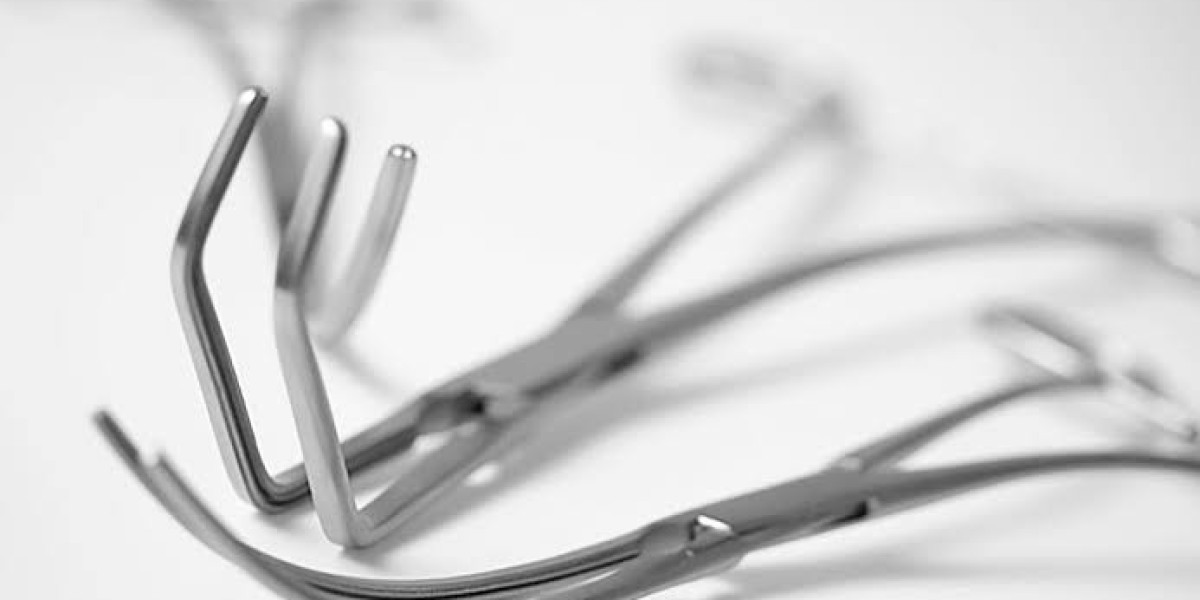


Medical instruments are an essential part of modern healthcare. From routine examinations to specialized surgical procedures, healthcare professionals rely on carefully designed instruments to examine, diagnose, treat, and manage a wide range of medical conditions.
Although many medical instruments may appear simple, each tool is developed for a specific purpose. Forceps, scissors, retractors, dental probes, ophthalmic instruments, and orthopedic tools all have different designs and applications. Selecting the appropriate instrument is therefore an important part of maintaining an effective clinical environment.
Hospitals, clinics, dental practices, surgical centers, and specialist healthcare facilities need a wide range of instruments depending on the services they provide. Understanding the different categories of medical instruments can help healthcare professionals and procurement teams make better purchasing, inventory, and maintenance decisions.
This guide explores the major types of medical instruments, their common roles, and the factors professionals should consider when selecting them.
What Are Medical Instruments?
Medical instruments are specialized tools used by healthcare professionals for examination, diagnosis, treatment, surgery, and other clinical applications.
They can perform functions such as:
Examining anatomical structures
Cutting
Grasping
Holding
Retracting
Suturing
Measuring
Manipulating tissue
Extracting
Supporting specialized procedures
The design of an instrument is closely related to its intended function. For example, a surgical scissors is designed differently from a dental scaler, while an ophthalmic forceps has different characteristics from an orthopedic bone-holding instrument.
This specialization allows healthcare professionals to select tools appropriate for specific procedures.
Major Categories of Medical Instruments
Medical instruments can be divided into numerous categories based on their specialty and function.
Some of the most common categories include:
Surgical instruments
Dental instruments
Ophthalmic instruments
Orthopedic instruments
Diagnostic instruments
Examination instruments
Cutting instruments
Grasping and holding instruments
Retracting instruments
Suturing instruments
Many individual instruments can belong to more than one functional category.
1. Surgical Instruments
Surgical instruments are among the most widely recognized types of professional medical tools.
They are designed to support various surgical procedures and may be general-purpose or highly specialized.
Common surgical instruments include:
Surgical scissors
Forceps
Needle holders
Retractors
Clamps
Probes
Tissue-handling instruments
Specialized cutting instruments
Surgical Scissors
Surgical scissors are commonly used for cutting or manipulating appropriate tissues and materials.
They are available in different lengths, blade configurations, curves, and tip designs.
The appropriate scissors should be selected according to the intended procedure and manufacturer specifications.
Surgical Forceps
Forceps are used for grasping, holding, or manipulating tissue and other materials.
Different forceps have different jaw configurations and tip designs, allowing professionals to select instruments according to their intended application.
Needle Holders
Needle holders are designed to hold and manipulate surgical needles during suturing.
Their length, handle design, jaw configuration, and locking mechanism can vary depending on the intended use.
Retractors
Retractors help maintain access and visibility during appropriate surgical procedures by holding tissue or structures away from the working area.
They are available in many configurations for different clinical applications.
2. Dental Instruments
Dental instruments are specifically designed for examinations, treatments, and procedures involving the teeth, gums, and oral cavity.
Because dental professionals often work within a relatively small area, dental tools are generally designed to provide controlled access and precise handling.
Common dental instruments include:
Dental mirrors
Explorers
Periodontal probes
Scalers
Curettes
Dental forceps
Elevators
Restorative instruments
Endodontic instruments
Professional dental instruments can be selected according to the requirements of examination, periodontal treatment, extraction, restoration, and other dental procedures.
Dental Mirrors
Dental mirrors are commonly used during oral examinations.
They provide indirect visualization and can also assist with appropriate soft-tissue retraction.
Dental Explorers
Dental explorers are specialized examination tools designed for detection and assessment tasks.
Different designs are available depending on the intended clinical application.
Periodontal Probes
Periodontal probes help dental professionals perform appropriate periodontal assessments.
Their markings and working ends can vary according to their design.
Dental Scalers
Scalers are designed for appropriate removal of deposits from tooth surfaces.
Different scaler designs can be selected according to the treatment area and intended application.
3. Ophthalmic Instruments
Ophthalmic instruments are specialized tools designed for eye examinations, treatments, and surgical procedures.
The eye is a delicate anatomical structure, so ophthalmic instruments often feature specialized working ends, small dimensions, and designs intended to support controlled handling.
Common ophthalmic instruments include:
Ophthalmic forceps
Eye scissors
Speculums
Micro-forceps
Ophthalmic needle holders
Specialized eye-surgery instruments
Ophthalmic instruments should be selected according to the specific procedure and professional requirements.
Ophthalmic Forceps
Ophthalmic forceps are designed for delicate handling and manipulation during appropriate eye-care procedures.
Their working ends can vary depending on the intended application.
Ophthalmic Scissors
These specialized scissors are designed for cutting applications associated with ophthalmic procedures.
Their blade configuration, length, and tip design can differ according to their intended use.
Eye Speculums
Eye speculums are designed to help maintain access during certain ophthalmic procedures.
Different designs are available for different applications.
4. Orthopedic Instruments
Orthopedic instruments are designed for procedures involving bones, joints, and other parts of the musculoskeletal system.
Because orthopedic procedures can involve different mechanical requirements, these instruments often have specialized and robust designs.
Common orthopedic instruments include:
Bone rongeurs
Bone cutters
Osteotomes
Surgical chisels
Bone-holding instruments
Retractors
Orthopedic forceps
Specialized surgical instruments
A professional selection of orthopedic instruments can be organized according to the procedures and services provided by an orthopedic department or surgical facility.
Bone Rongeurs
Rongeurs are specialized instruments designed for controlled bone removal or modification in appropriate surgical applications.
Their jaw configuration and dimensions can vary according to the intended use.
Osteotomes
Osteotomes are specialized instruments used in appropriate orthopedic procedures involving bone.
They are available in different blade widths and configurations.
Bone-Holding Instruments
Bone-holding instruments are designed to provide controlled grasping or stabilization of bone during appropriate procedures.
Their designs vary depending on the intended application.
5. Diagnostic Instruments
Diagnostic instruments support examination and assessment.
Depending on the specialty, these may include:
Stethoscopes
Diagnostic sets
Thermometers
Blood pressure equipment
Examination scopes
Measuring devices
The purpose of diagnostic instruments is generally to help healthcare professionals collect information about a patient's condition.
Unlike surgical instruments, many diagnostic instruments are primarily used before or during clinical assessment rather than for surgical intervention.
6. Examination Instruments
Examination instruments are designed to help professionals inspect specific parts of the body.
Examples can include:
Examination mirrors
Probes
Speculums
Tongue depressors
Examination forceps
These instruments can vary significantly depending on the medical specialty.
7. Cutting Instruments
Cutting instruments are designed for controlled cutting applications.
Examples include:
Surgical scissors
Surgical blades
Bone cutters
Specialized dental cutting instruments
Ophthalmic scissors
The design of a cutting instrument depends on the material or tissue it is intended to interact with.
Professionals should always select cutting instruments according to their intended application and manufacturer specifications.
8. Grasping and Holding Instruments
Grasping and holding instruments are used to hold or manipulate appropriate tissues, materials, or structures.
Examples include:
Forceps
Tissue forceps
Bone-holding forceps
Specialized graspers
Needle holders
Jaw design is an important consideration because different instruments are intended for different applications.
9. Retracting Instruments
Retractors are designed to help maintain access and visibility during appropriate procedures.
They can be used across several medical specialties.
Retractors differ in:
Shape
Size
Length
Working-end design
Handle configuration
The appropriate retractor depends on the procedure and anatomical area.
10. Suturing Instruments
Suturing instruments support procedures involving wound closure.
Common examples include:
Needle holders
Surgical forceps
Surgical scissors
Each instrument has a different role in the overall suturing process.
Why Instrument Design Matters
The design of a medical instrument directly relates to its intended function.
Important design characteristics include:
Working-end configuration
Length
Weight
Handle design
Jaw shape
Blade configuration
Surface finish
Joint construction
A suitable instrument should provide characteristics appropriate for the procedure in which it is intended to be used.
The Importance of Precision
Precision is particularly important for professional medical instruments.
Working ends should be appropriately manufactured and aligned according to their intended design.
Professionals should consider:
Tip alignment
Jaw configuration
Blade alignment
Dimensions
Movement
Surface finish
Precision can contribute to appropriate handling and consistent use.
Material Selection
Material quality is another important consideration.
Many professional medical instruments are manufactured using stainless steel or other materials selected for properties such as strength and corrosion resistance.
However, material alone does not determine overall quality.
Professionals should also evaluate construction, manufacturing consistency, surface finish, and manufacturer specifications.
Ergonomics and Handling
Healthcare professionals may use instruments repeatedly, making ergonomics an important consideration.
Important factors include:
Weight
Balance
Grip
Handle shape
Finger-ring design
Movement
The ideal ergonomic characteristics depend on the instrument and its intended application.
Medical Instrument Maintenance
Proper maintenance is essential for preserving professional medical instruments.
A general maintenance approach may include:
Cleaning instruments according to established procedures.
Removing residues after use.
Inspecting instruments for damage.
Checking working ends and moving components.
Following applicable disinfection or sterilization procedures.
Drying instruments appropriately.
Storing them correctly.
Specific requirements vary according to the instrument and manufacturer instructions.
Inspecting Instruments for Wear
Regular inspection can help identify instruments that may need maintenance or replacement.
Professionals should look for:
Corrosion
Damaged tips
Misalignment
Loose joints
Dull cutting edges
Surface defects
Unusual movement
Instruments that do not function according to their intended design should be evaluated according to facility procedures.
How to Choose the Right Medical Instruments
Healthcare organizations should use a structured purchasing process.
Identify the Procedure
Determine what procedure the instrument will support.
Identify the Specialty
Confirm whether the instrument is intended for surgery, dentistry, ophthalmology, orthopedics, or another specialty.
Review Specifications
Check dimensions, material, working-end design, and intended application.
Consider Ergonomics
Evaluate weight, balance, grip, and handling.
Review Maintenance Requirements
Understand applicable cleaning, processing, sterilization, inspection, and storage requirements.
Evaluate the Supplier
Consider product range, specifications, manufacturing consistency, availability, and customer support.
Choosing a Reliable Medical Instrument Supplier
A reliable supplier can make procurement and inventory management easier.
Healthcare organizations should look for suppliers that provide:
Clear product information
Accurate specifications
Appropriate material details
Consistent manufacturing
Product availability
Customer support
A suitable professional product range
For healthcare facilities seeking instruments for different medical applications, Mizon International provides a range of professional medical instruments.
Building an Organized Medical Instrument Inventory
An organized inventory can help healthcare facilities understand what they currently have and what they need.
Inventory records can include:
Instrument name
Category
Quantity
Size
Condition
Location
Inspection status
Maintenance requirements
Replacement needs
Facilities can organize instruments by specialty or procedure.
This approach can help reduce unnecessary duplication while making it easier to identify shortages.
Common Mistakes When Selecting Medical Instruments
Buying Only According to Price
The lowest-cost option is not always the best choice for long-term professional use.
Ignoring the Intended Application
Every instrument should be selected according to its intended clinical purpose.
Overlooking Specifications
Dimensions, working ends, materials, and manufacturer instructions should be reviewed.
Neglecting Ergonomics
Frequently used instruments should be practical to handle.
Forgetting Maintenance
Even well-manufactured instruments require appropriate maintenance.
Purchasing Without an Inventory Plan
A clear purchasing strategy helps prevent unnecessary duplication and shortages.
Final Thoughts
Medical instruments are an essential component of modern healthcare, supporting professionals across surgical, dental, ophthalmic, orthopedic, diagnostic, and other specialized fields.
Each category has its own purpose and design characteristics. Surgical instruments support a broad range of procedures, dental instruments are designed around oral care, ophthalmic instruments provide specialized tools for eye-related applications, and orthopedic instruments support procedures involving bones and the musculoskeletal system.
Choosing the right instrument requires more than simply comparing prices. Professionals should consider the intended procedure, specialty, working-end design, material, dimensions, ergonomics, construction, durability, and maintenance requirements.
Quality and precision are particularly important because medical instruments are designed for specific professional applications. Proper selection can help healthcare organizations develop organized and practical instrument inventories.
Maintenance is equally important. Appropriate cleaning, inspection, processing, handling, and storage can help preserve instruments and identify damaged or worn tools.
Ultimately, understanding the different types of medical instruments allows healthcare professionals and procurement teams to make better-informed decisions. By matching each instrument to its intended purpose and maintaining it appropriately, healthcare facilities can create a more organized and dependable approach to medical instrument management.









