

The Phthalic Anhydride Price Trend moved strongly upward across major global markets during Q2 2026. The main reason was a combination of tight ortho-xylene availability, higher energy costs, and disruption to petrochemical supply chains caused by geopolitical tensions between Iran and Israel. Since phthalic anhydride is closely connected to the aromatics and energy markets, even a small change in feedstock availability can quickly affect production costs. During April, prices remained near multi-quarter highs, while improving supply conditions and easing geopolitical pressure brought some correction in May and June.
Please Submit Your Query For Phthalic Anhydride Price Trend, Market Analysis and Forecast: https://www.price-watch.ai/book-a-demo/
Phthalic Anhydride Market Overview in Q2 2026
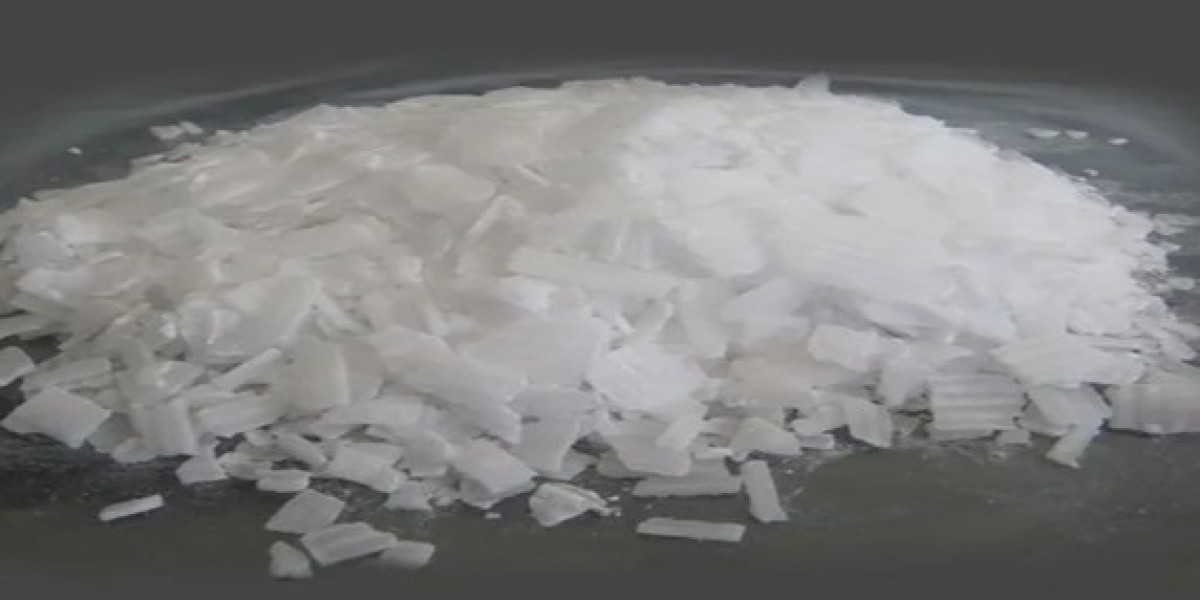
Phthalic anhydride is an important chemical used in several everyday industrial applications. It is widely consumed in the production of plasticizers, alkyd resins, unsaturated polyester resins, coatings, and other materials. Because of these connections, its market is influenced not only by its own supply and demand but also by developments in upstream feedstocks and downstream industries.
The material is mainly produced through the catalytic vapor-phase oxidation of ortho-xylene, although naphthalene can also be used. This means that the availability and cost of ortho-xylene have a direct influence on the economics of production. When aromatics complexes operate at lower rates or feedstock shipments become difficult, producers have fewer options to maintain normal output.
This was particularly visible during Q2 2026. Geopolitical tensions affected crude oil and naphtha movements, which in turn put pressure on aromatics production. Higher energy costs added another layer of pressure because phthalic anhydride production requires continuous industrial processing and controlled oxidation conditions.
The result was a strong increase across most major markets during the quarter. However, the market did not remain bullish throughout the entire period. Once geopolitical concerns began to ease and feedstock availability improved, prices started moving away from their quarterly peaks.
What Drove the Q2 2026 Phthalic Anhydride Price Trend?
One of the biggest factors behind the Q2 movement was the availability of ortho-xylene. Producers depend on this feedstock for manufacturing phthalic anhydride, so any disruption in aromatics production can quickly affect the market.
During the early part of the quarter, geopolitical tensions created uncertainty around crude oil, naphtha, and petrochemical trade flows. Reduced operating rates at some naphtha cracker and aromatics facilities limited feedstock availability. At the same time, higher energy costs increased the cost of running oxidation units.
For producers, this created a difficult situation. Feedstock became more expensive while production expenses also increased. In such conditions, sellers generally try to protect their margins by raising offers.
Another factor was transportation. Disruptions around important shipping routes increased freight, insurance, and vessel-routing expenses. This was particularly important for importing countries that depend heavily on overseas cargoes.
Demand also provided support. Plasticizer manufacturers, coating producers, and unsaturated polyester resin manufacturers continued purchasing material. Although buyers were aware of higher costs, they still needed regular supplies for their production operations.
China Market: Strong Increase Followed by a June Correction
China recorded a significant increase during Q2 2026. The average Phthalic Anhydride Prices in the country increased by around 35% compared with Q1.
The market remained firm during April as limited ortho-xylene availability and higher energy expenses increased production costs. The situation was also influenced by reduced output from parts of the naphtha and aromatics chain.
Domestic manufacturers continued to require material for plasticizers, unsaturated polyester resins, and alkyd coatings. This helped sellers maintain firm pricing even when buyers became more cautious about costs.
The situation gradually changed in May. As geopolitical concerns eased, aromatics production and feedstock availability began to improve. By June, producers had better access to ortho-xylene and operating conditions became more stable.
As a result, Chinese values moved down from their quarterly highs. This did not necessarily indicate weak demand. Instead, it reflected a better balance between supply, feedstock costs, and purchasing activity.
Taiwan Market: Feedstock Costs Remain Important
Taiwan also experienced a strong increase during Q2, with prices rising by about 28% compared with the previous quarter.
The early part of the quarter was difficult because regional naphtha crackers and aromatics facilities faced supply and operating challenges. Since ortho-xylene is essential to phthalic anhydride production, tighter availability immediately affected producer economics.
April remained particularly firm. Higher energy costs added pressure on oxidation units, while steady demand from plasticizer and resin manufacturers supported market values.
During May, conditions started improving. Better feedstock flows reduced some of the pressure seen earlier in the quarter. By June, prices had started to ease as ortho-xylene availability improved and feedstock costs became more manageable.
Brazil Market: Import Costs Push Prices Higher
Brazil recorded one of the sharper increases during Q2, with import values rising by approximately 41% compared with Q1.
The Brazilian market is particularly sensitive to international supply and freight conditions because imported material plays an important role. During the quarter, cargoes from China faced higher costs at the origin as well as transportation-related difficulties.
In April, limited export availability and changes in shipping schedules made imported material more expensive. Higher freight and insurance costs added to the landed cost for Brazilian buyers.
Manufacturers of plasticizers, unsaturated polyester resins, and alkyd coatings continued to purchase material, which kept the market supported despite the higher prices.
By May and June, shipping conditions began to stabilize. Chinese supply also improved as feedstock availability recovered. Consequently, Brazilian import values moved lower from their Q2 peak.
UAE Market: Freight and Regional Trade Risks Add Pressure
The UAE market recorded an average increase of around 38% during Q2 compared with Q1.
Importers faced higher costs because international shipping conditions became more difficult during the period of geopolitical tension. Cargoes arriving from China were affected by both higher production costs and increased transportation risks.
April remained a firm month for the market. Limited export availability and elevated freight and insurance expenses contributed to higher landed costs. At the same time, regional demand from plasticizer and resin manufacturers remained steady.
As conditions improved during May, Chinese supply and shipping operations became more predictable. By June, the UAE market started to correct as feedstock availability improved and transportation disruptions became less severe.
Belgium Market: Europe Records the Strongest Increase
Belgium experienced the largest increase among the major markets discussed, with Q2 values rising by approximately 44% compared with Q1.
The European market faced pressure from both feedstock and energy costs. Disruptions to crude and naphtha trade reduced the availability of aromatics feedstock, while high natural gas and electricity costs increased manufacturing expenses.
For European producers, this combination was especially challenging. Higher energy costs can have a significant effect on chemical production economics, particularly when facilities need to operate continuously.
April therefore saw very strong market values. Buyers from plasticizer, alkyd resin, and unsaturated polyester resin industries continued to require supplies, which helped maintain the upward momentum.
The market began changing in May as geopolitical conditions improved. Feedstock and energy costs started moving lower, and by June the market had corrected from its quarterly high.
Netherlands Market: Import Costs Stay Elevated
The Netherlands recorded an average increase of approximately 43% in Q2 compared with Q1.
As an important European import centre, the country was affected by both international feedstock availability and shipping expenses. Higher natural gas costs also contributed to the increased cost structure.
During April, limited aromatics shipments and expensive energy kept the market firm. Buyers continued purchasing phthalic anhydride for plasticizers, coatings, and resin production, supporting the elevated market levels.
The situation improved in May as energy and feedstock conditions became more stable. By June, import values began declining as supply improved and transportation pressure eased.
Italy Market: Strong European Import Pressure
Italy recorded an increase of approximately 46% in Q2, representing the strongest growth among the European markets covered in the assessment.
The Italian market was affected by tight ortho-xylene availability, higher natural gas costs, and disruptions in international trade flows. Import-related expenses therefore increased significantly.
April remained particularly strong as limited aromatics supply and higher energy expenses pushed costs upward. Demand from plasticizer and coating resin manufacturers also remained supportive.
During May, market conditions began to normalize. Feedstock expenses and energy costs started easing, while trade flows became more stable. In June, values corrected from their quarterly high.
India Market: Import Costs and Freight Support the Market
India recorded an average increase of approximately 40% in Q2 compared with Q1.
The Indian market was affected by limited global ortho-xylene availability, lower output from some aromatics complexes, and higher freight and insurance expenses. These factors increased the landed cost of imported material.
April remained firm as buyers continued to require phthalic anhydride for plasticizers, unsaturated polyester resins, and alkyd coatings. Although prices were high, regular industrial consumption helped keep the market supported.
Conditions improved during May as geopolitical pressure reduced and feedstock availability started recovering. By June, import values moved lower as freight pressure eased and ortho-xylene availability improved.
Phthalic Anhydride Price Chart and Market Movement
The Phthalic Anhydride Price Chart for Q2 2026 can be understood as a three-stage movement.
April represented the strongest upward phase. Tight feedstock supply, expensive energy, and transportation uncertainty pushed values toward multi-quarter highs.
May represented a transition period. Geopolitical risks began easing, and feedstock supply chains gradually improved. The market was still expensive, but the pace of price increases slowed.
June represented the correction phase. Better ortho-xylene availability, more stable production, lower energy pressure, and improved shipping conditions allowed prices to retreat from their Q2 peaks.
This pattern is important for buyers because it shows how quickly the market can respond when upstream conditions change.
Phthalic Anhydride Price Forecast
Looking ahead, the short-term direction of the market will depend heavily on feedstock availability and energy costs. If ortho-xylene supply continues improving and energy markets remain stable, some of the sharp gains recorded during Q2 could gradually unwind.
However, the market may remain sensitive to geopolitical developments. Any new disruption affecting crude oil, naphtha, aromatics production, or major shipping routes could quickly bring upward pressure back into the market.
Demand will also remain important. Plasticizers, alkyd coatings, and unsaturated polyester resins are major consumers, so steady downstream production can provide a floor to the market even when upstream costs decline.
Therefore, the near-term outlook can be described as more balanced than the conditions seen during April. Buyers may benefit from improved supply, while producers will continue watching feedstock and energy expenses closely.
Phthalic Anhydride Price Index Outlook
The Phthalic Anhydride Price Index reached elevated levels during Q2 as several cost pressures appeared at the same time. The strongest increases were recorded in European and import-dependent markets, where feedstock, energy, freight, and insurance expenses combined to create a significant increase in landed costs.
The June correction suggests that the market had started moving toward a more normal supply-demand balance. Still, the index may remain above earlier levels if production costs stay higher than before or if downstream demand remains healthy.
For businesses involved in purchasing or selling the material, watching the index alongside ortho-xylene, crude oil, naphtha, natural gas, and freight conditions can provide a better understanding of possible future movements.
Conclusion
Q2 2026 was a highly active quarter for the global phthalic anhydride market. Prices increased sharply across China, Taiwan, Brazil, the UAE, Belgium, the Netherlands, Italy, and India. The common factors were tight ortho-xylene availability, higher energy costs, disrupted petrochemical operations, and more expensive international transportation.
Europe recorded some of the strongest increases, while import markets such as Brazil, the UAE, and India were also significantly affected by freight and trade-related expenses. China and Taiwan experienced strong gains but started seeing some correction as feedstock availability improved.
The most important development came toward the end of the quarter. As geopolitical tensions eased, supply chains began recovering and energy costs became less restrictive. This allowed prices to move down from their April and early-quarter highs.
Overall, Q2 showed how closely phthalic anhydride is connected to the wider petrochemical market. Feedstock availability, energy prices, transportation conditions, and downstream demand will remain the key factors to watch. For the coming months, a gradual stabilization is possible if supply continues to improve, although the market could quickly turn firm again if fresh disruptions affect crude oil, naphtha, ortho-xylene, or international trade routes.
Please Submit Your Query For Phthalic Anhydride Price Trend, Market Analysis and Forecast: https://www.price-watch.ai/book-a-demo/
About Price Watch™
Price Watch™ is an India-based, independent raw material price reporting agency that provides real-time price forecasts and data-driven insights into global raw material markets. Price Watch™ specializes in tracking raw material prices, analyzing market trends, and delivering timely updates on plant shutdowns, supply disruptions, capacity expansions, and demand-supply dynamics. The Price Watch™ platform empowers manufacturers, traders, and procurement professionals to make faster, smarter decisions. Leveraging AI-powered forecasting and over a decade of historical data, Price Watch™ transforms market volatility into actionable opportunity.
Futura Tech Park,
C Block, 8th floor 334,
Old Mahabalipuram Road,
Sholinganallur, Chennai, Tamil Nadu, Pincode - 600119.
????????: https://www.linkedin.com/company/price-watch-ai/
????????: https://www.facebook.com/people//61568490385598/
???????: https://x.com/pricewatchai
???????: https://www.price-watch.ai/