

Introduction
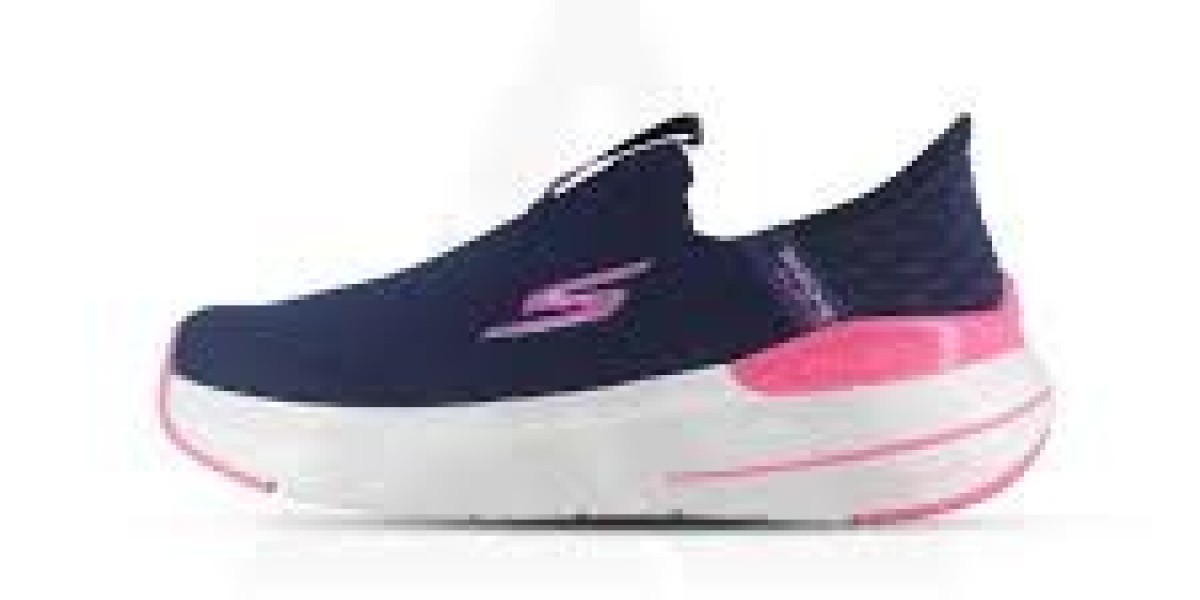
Footwear has become an important part of men's everyday style, and the right pair can easily combine comfort, practicality, and personality. From daily commuting to casual outings and weekend activities, versatile shoes have become a reliable part of modern wardrobes. Sneakers for men are particularly popular because they can complement different outfits while offering the comfort needed for an active lifestyle. However, choosing the right pair requires more than simply selecting a fashionable design.
Why Sneakers Have Become an Everyday Essential
Sneakers were once mainly associated with sports and physical activities, but their role has changed considerably. Today, they are commonly worn with jeans, trousers, joggers, shorts, and even relaxed semi-casual outfits. Their versatility makes them useful for people who prefer footwear that can move easily between different parts of their day.
Comfort is another major reason for their popularity. A thoughtfully designed sneaker can provide cushioning, flexibility, and support, making it suitable for walking and general everyday activities. The right construction can also help reduce discomfort when footwear is worn for several hours.
What to Look for in a Quality Pair
Comfort and Cushioning
Comfort should be one of the first considerations when purchasing sneakers. A cushioned midsole can provide a softer feel underfoot, while appropriate support can make walking more comfortable. However, cushioning preferences vary. Some people prefer a soft and flexible feel, while others prefer firmer footwear with a more responsive step.
The most important factor is how the shoe feels during actual use. A pair that looks attractive but creates pressure around the toes, heel, or sides of the foot may not be a practical choice.
Fit and Foot Shape
A proper fit can significantly influence comfort. The toes should have enough space to move naturally, while the heel should remain secure. The shoe should feel supportive without being excessively tight.
Men with wider or narrower feet should pay attention to the shape and available sizing of a particular design. Trying both shoes and walking around before purchasing can help identify uncomfortable pressure points.
Materials and Breathability
Material quality affects comfort, durability, and appearance. Leather and synthetic materials can provide different levels of structure and resistance, while mesh and lightweight textiles are often preferred for breathable everyday designs.
For warmer conditions, breathable construction can be especially useful. It allows better airflow and can make extended wear more comfortable.
Matching Sneakers With Different Outfits
One of the biggest advantages of modern footwear is styling flexibility. Simple sneakers in neutral shades can work well with jeans and casual trousers, while athletic-inspired designs can complement activewear and relaxed outfits.
For a cleaner appearance, many men prefer minimal designs without excessive decorative details. Those who enjoy a more expressive look may choose contrasting colors, textured uppers, or contemporary silhouettes.
The key is balance. A versatile pair should complement the outfit rather than compete with it.
Current Sneaker Trends
Men's footwear trends continue to focus on designs that combine comfort with everyday versatility. Some noticeable trends include:
- Minimal sneakers with clean and simple silhouettes.
- Lightweight designs made for extended daily wear.
- Cushioned soles focused on walking comfort.
- Neutral shades that coordinate easily with different clothing.
- Retro-inspired shapes combined with modern materials.
These trends demonstrate how sneakers have evolved into lifestyle footwear rather than remaining limited to sports environments.
Choosing Sneakers for Different Activities
Not every sneaker is designed for every purpose. Casual footwear may work well for shopping, commuting, and social activities, while running or training requires footwear specifically designed to handle repetitive movement and physical impact.
If the primary purpose is exercise, factors such as cushioning, flexibility, traction, and stability become more important. For everyday use, comfort, durability, appearance, and versatility may have greater importance.
Understanding the intended use before buying can prevent unnecessary spending and help ensure the footwear performs as expected.
Quality, Durability, and Value
When comparing sneakers for men, shoppers should consider overall construction instead of focusing exclusively on price. Stitching, sole attachment, upper material, flexibility, and finishing can provide useful indications of quality.
A higher price does not automatically mean better footwear. Similarly, the cheapest option may not provide the best long-term value. A more sensible approach is to compare the shoe's features with how frequently it will be worn and the conditions in which it will be used.
Durability is particularly important for men who wear the same pair regularly. Strong construction and appropriate care can help footwear maintain its shape and functionality for longer.
How to Take Care of Sneakers
Regular maintenance can help preserve both appearance and performance. Dirt should be removed according to the material, while wet footwear should be allowed to dry naturally. Excessive heat can damage certain materials, so direct exposure to strong heat should generally be avoided.
Storing sneakers in a clean, dry, and ventilated area can also help prevent unwanted odors and material deterioration. Rotating between different pairs is another practical way to reduce continuous wear.
Frequently Asked Questions
Are sneakers suitable for everyday wear?
Yes, many sneakers are designed specifically for everyday activities such as walking, commuting, shopping, and casual outings. The suitability depends on their construction and the user's needs.
What makes a sneaker comfortable?
A comfortable sneaker generally needs an appropriate fit, suitable cushioning, supportive construction, breathable materials, and enough flexibility for natural movement.
How can I choose the right sneaker style?
Consider your wardrobe, daily activities, preferred colors, and intended use. Neutral and simple designs are usually more versatile, while distinctive styles can add personality to casual outfits.
Final Thoughts
The right pair of sneakers for men should offer a practical balance between comfort, style, durability, and purpose. Instead of choosing footwear based only on current fashion or price, consider how often you will wear it, where you will use it, and how well it fits your feet. With careful attention to materials, cushioning, construction, and fit, finding a dependable pair becomes much easier. A well-chosen sneaker can become one of the most versatile pieces in a modern wardrobe.