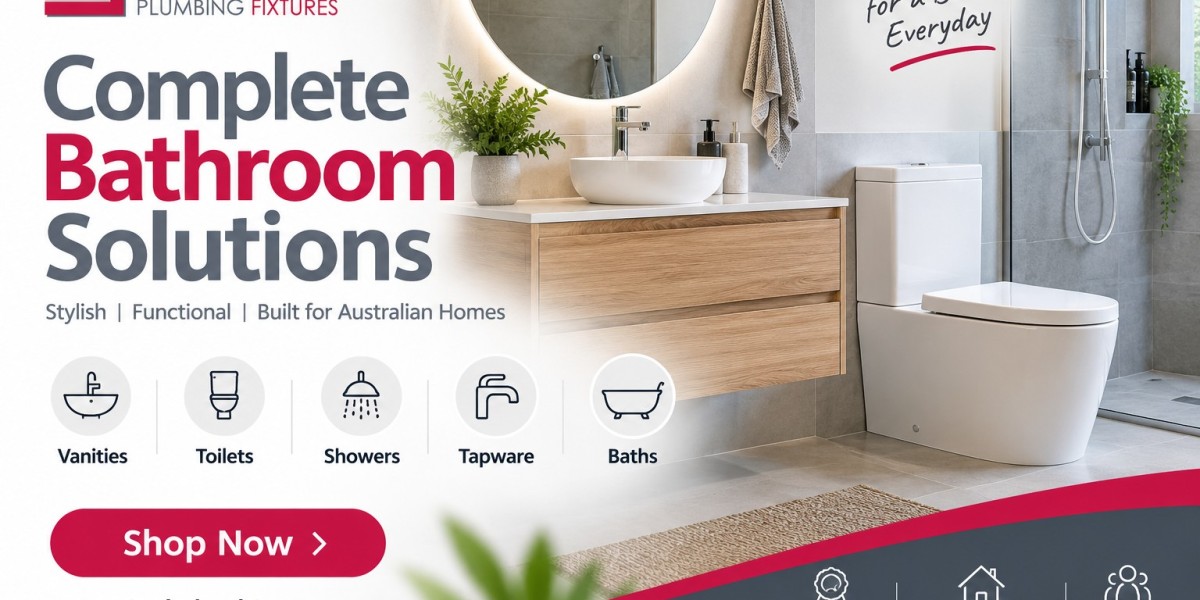


For Perth homeowners, visiting bathroom showrooms osborne park can be a useful part of the planning process because seeing full-size bathroom products can make it easier to compare proportions, finishes and different fixture combinations before committing to a design.
Whether you are updating a small ensuite or completely rebuilding a family bathroom, there are several essentials worth considering before work begins.
Start With a Realistic Bathroom Layout
A successful renovation starts with understanding the available space.
Before choosing products, measure the bathroom carefully and note the location of:
Doors
Windows
Existing plumbing
Power points
Shower areas
Toilets
Vanities
Baths
Towel rails
Think about how people will move through the room as well.
A large vanity may provide excellent storage but create an uncomfortable walkway. Similarly, an oversized shower could limit the space available for other important fixtures.
Where possible, draw a simple floor plan and include the approximate dimensions of each major product. This can help identify layout problems before construction starts.
Decide What You Actually Need
Bathroom inspiration online can make every feature seem essential, but not every household needs the same things.
A family bathroom may benefit from a bath, generous storage and durable surfaces. An ensuite may prioritise a larger shower and vanity, while a powder room may only require a compact basin and toilet.
Before planning the room, identify your priorities.
Consider questions such as:
Do you regularly use a bath?
How much storage do you need?
Will multiple people use the bathroom at the same time?
Would one basin provide more useful bench space than two?
Is easy cleaning particularly important?
Do you need additional accessibility features?
Making these decisions early helps prevent the bathroom from becoming overcrowded.
Choose Major Fixtures Before Plumbing Work Begins
One of the most important renovation principles is choosing major fixtures early.
Products such as toilets, vanities, basins, showers and baths can have different plumbing and installation requirements. Waiting until construction is already underway to select them can create unnecessary complications.
Ideally, your plumber should know which products are being installed before plumbing positions are finalised.
This is especially important for:
Wall-mounted tapware
Concealed cisterns
Countertop basins
Freestanding baths
Wall-hung vanities
Shower systems
Having product specifications available can help tradespeople position services correctly from the beginning.
Think Carefully About Your Vanity
The vanity is often one of the most heavily used parts of the bathroom.
It needs to provide enough storage while fitting comfortably within the available space.
Consider whether you prefer drawers, cupboards or a combination of both. Drawers can make everyday items easier to access, while cupboards may provide more room for taller bottles and cleaning products.
Also consider whether a wall-hung or floor-standing design works better for your room.
Wall-hung vanities can create a lighter appearance and make the floor underneath easier to clean. Floor-standing units may provide a more substantial cabinet look.
When visiting Bathroom Showrooms Perth, comparing vanity sizes in person can also help you understand how different cabinet depths and widths may feel in your own bathroom.
Match Your Basin and Tapware
The basin and tapware should always be considered together.
Different basin designs require different tap heights, positions and reaches.
For example, a countertop basin may require a tall mixer or wall-mounted tapware, while an inset basin may work better with a standard mixer.
Check that water will flow comfortably into the basin without excessive splashing.
You should also think about how much bench space will remain around the basin. A dramatic oversized basin may look impressive but could leave little room for soap, grooming products or other everyday items.
Good bathroom design balances appearance with practical use.
Plan Enough Storage
Storage can have a major impact on how organised your bathroom feels after the renovation.
Before selecting cabinetry, consider everything that needs to be stored, including:
Towels
Toiletries
Hair products
Cosmetics
Cleaning products
Grooming equipment
Spare bathroom supplies
Not everything has to fit inside the vanity.
Mirrored shaving cabinets and wall-mounted storage can make use of vertical space without reducing floor area.
This can be particularly valuable in smaller bathrooms where installing a very large vanity would make the room feel cramped.
Consider Ventilation and Moisture
Bathrooms naturally experience moisture and humidity, so ventilation needs to be part of the renovation plan.
Good airflow can help manage moisture generated by showers and baths.
Discuss appropriate ventilation requirements with qualified tradespeople and consider how windows, exhaust systems and the general room layout work together.
Materials should also be suitable for bathroom conditions.
Cabinetry, surfaces and finishes need to be selected and maintained according to their intended use. Always follow manufacturer care instructions, particularly for specialised finishes.
Choose Finishes as a Complete Scheme
It is easy to choose every fixture independently and later discover that the bathroom feels visually disconnected.
Instead, establish a simple design direction before purchasing products.
You might choose:
Light neutral finishes
Timber-look cabinetry
Chrome fixtures
Matte black accents
Brushed metallic tapware
Warm natural tones
You do not need every item to match perfectly. However, limiting the number of competing colours and finishes can make the overall design feel more intentional.
Consider tiles, cabinetry, tapware, basins, mirrors and accessories together rather than as separate decisions.
Think About Water Efficiency
When selecting toilets, showers and tapware, water efficiency should be part of the comparison process.
Look at available product information and consider water usage alongside design, price and functionality.
The most suitable product should still meet the practical requirements of your household, so efficiency should form part of the overall decision rather than being considered in isolation.
If you are uncertain about a particular fixture, ask your plumber or product supplier for guidance.
Budget for More Than Major Fixtures
Renovation budgets often focus on the vanity, shower, toilet and tiles while overlooking smaller items.
Remember to account for things such as:
Towel rails
Toilet roll holders
Mirrors
Robe hooks
Wastes
Shower accessories
Cabinet hardware
Installation materials
There may also be unexpected costs if plumbing, waterproofing or other existing conditions require additional work.
Keeping part of your budget available for unforeseen issues can reduce financial pressure during the renovation.
Compare Products Before Ordering
A bathroom contains many products that need to work together, so making selections from a complete project list can be helpful.
When sourcing Plumbing Supplies Perth, compare dimensions, finishes, installation requirements and compatibility rather than selecting products based only on appearance.
It can also be useful to take photographs, measurements and your bathroom plan when comparing products. This gives you something practical to refer to instead of relying on memory.
Before placing a final order, review your product list with the relevant tradespeople to confirm that the selected fixtures suit the planned installation.
Final Thoughts
A successful bathroom renovation depends on preparation long before the first tile is installed.
Start with an accurate layout, identify what your household genuinely needs and choose major fixtures early enough for plumbing and installation requirements to be properly planned. Consider storage, ventilation, water efficiency and maintenance alongside colours and finishes.
Most importantly, treat the bathroom as one complete space rather than a collection of individual products.
Careful planning can help reduce costly changes during construction and create a bathroom that looks coordinated, provides useful storage and remains comfortable for everyday use for years to come.






