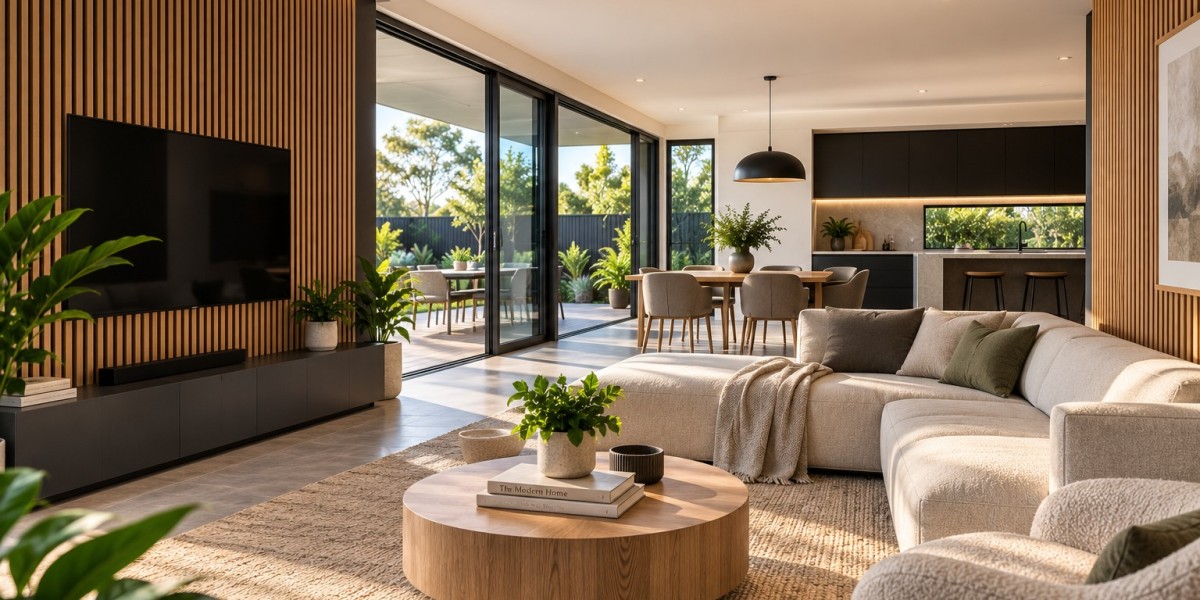


Modern Australian homes are often designed around openness, natural light and a strong connection between indoor and outdoor spaces. Large windows, open-plan kitchens, polished floors and contemporary finishes can create beautiful interiors, but these design choices can also introduce an acoustic challenge.
Hard surfaces reflect sound, and large open spaces give those reflections more room to travel. Conversations can become less clear, television sound can carry across the house and everyday activity can make an open-plan area feel louder than expected.
Good acoustic design can help solve these problems without compromising the appearance of a modern home.
Why Acoustics Matter in Modern Homes
Acoustics are often considered only after a home has been completed. However, the materials and layout selected during the design stage can have a significant effect on how a room sounds.
Stone benchtops, timber flooring, glass windows, plasterboard walls and high ceilings are common features in contemporary Australian homes. Individually, these materials may work perfectly well. When combined in a large open space, however, they can create multiple reflective surfaces.
The result is often increased reverberation.
A well-designed acoustic environment does not necessarily mean making a home quiet. Instead, the goal is to create a comfortable balance where speech remains clear and unwanted reflections are controlled.
Use Acoustic Panels as a Design Feature
One of the most practical ways to introduce acoustic treatment into a modern home is through decorative wall panels.
Today's acoustic panels are available in a range of styles that can complement contemporary interiors. Rather than appearing like technical equipment, they can be incorporated into feature walls, media areas, home offices and living spaces.
Wood slat acoustic panels are particularly suitable for modern interiors. Their vertical lines can add warmth and architectural detail while contributing to the acoustic treatment of the room.
A carefully designed panelled wall can therefore serve both an aesthetic and functional purpose.
Create a More Comfortable Open-Plan Living Area
Open-plan living is a common feature of modern Australian homes. Kitchens, dining areas and living rooms often share one large space.
While this layout improves visual connection and natural light, it can also allow sound to travel freely between different areas.
Several simple design elements can help.
Large rugs can soften reflections from hard flooring. Curtains can help reduce reflections from expansive windows. Upholstered furniture can absorb some sound, while bookshelves, plants and decorative elements can break up large uninterrupted surfaces.
Where additional treatment is required, acoustic wall panels can be integrated into selected areas rather than covering every wall.
Improve the Acoustics of a Home Office
Home offices have become an important part of residential design. Video meetings, phone calls and focused work all benefit from a comfortable acoustic environment.
A room with bare walls and hard flooring can produce noticeable reflections during online meetings. This can affect speech clarity and make the room feel more reverberant.
A combination of curtains, rugs, upholstered furniture and acoustic wall treatment can help create a more controlled environment.
A feature wall behind a desk can also provide an opportunity to introduce acoustic panels without making the room feel overly technical.
Acoustic Ideas for Entertainment Areas
Home theatres, media rooms and entertainment spaces have specific acoustic requirements.
Large televisions, speakers, hard floors and minimal furniture can create unwanted reflections. Soft furnishings can help, but additional acoustic treatment may be useful when the room continues to sound harsh or echoey.
Wall panels can be positioned strategically around the room while maintaining the intended interior style.
The goal is not simply to cover as much surface as possible. Panel placement should consider the room's layout, listening position and reflective surfaces.
Bring Natural Materials Into Acoustic Design
Natural materials are a popular choice in contemporary Australian interiors because they add warmth and texture.
Timber-inspired acoustic panels can complement this design direction particularly well. Vertical slats can visually connect different areas of an open-plan home while adding architectural depth to otherwise plain walls.
The combination of timber textures, greenery, neutral furniture and natural light can create a warm interior without sacrificing modern styling.
Choosing Acoustic Panels for a Brisbane Home
For homeowners in Brisbane, choosing acoustic panels should involve more than simply selecting a design that looks good. The room's size, layout, flooring, windows and existing furnishings can all affect how sound behaves.
A living room with large glass doors and tiled floors may have different acoustic requirements from a carpeted home office or entertainment room. Understanding these differences can help homeowners choose a suitable combination of acoustic treatment and interior finishes.
When comparing acoustic panels Brisbane options, consider factors such as:
- The size and shape of the room
- Ceiling height
- Amount of glass and other hard surfaces
- Existing furniture and soft furnishings
- Panel design and finish
- Installation requirements
- Available acoustic performance information
The aim is to find a solution that improves the room's acoustic comfort while fitting naturally into the home's overall design.
Don't Overlook Ceilings and Large Windows
Walls receive most of the attention when acoustic improvements are discussed, but other surfaces can have an equally important role.
Large windows are highly reflective and can contribute to reverberation in open-plan spaces. Curtains and other window treatments can help soften these reflections.
High ceilings can also increase the amount of time sound remains in a room. Depending on the home's design, ceiling treatments can complement wall-mounted acoustic products.
A combination of different treatments is often more effective than relying on one product alone.
Use Furniture to Improve Room Acoustics
Acoustic improvements do not always require specialist products.
Furniture itself can influence how sound behaves. Sofas, fabric chairs, rugs, curtains and bookshelves can all introduce surfaces that absorb or scatter sound.
Large open spaces can also benefit from furniture arrangements that create smaller zones.
For example, positioning a sofa between the living and dining areas can visually define the spaces while helping interrupt direct sound paths.
Plants can also contribute to the overall interior environment, although they should be considered a complementary design element rather than a replacement for dedicated acoustic treatment.
Choosing Acoustic Panels Suppliers in Brisbane
When comparing acoustic panels suppliers in Brisbane, homeowners and designers should look at more than the visual appearance of a panel.
Product construction, available finishes, dimensions, installation requirements and acoustic performance can all influence whether a product is suitable for a particular room.
It is also worth considering how the panels will work alongside the home's existing materials. A contemporary timber interior may benefit from wood-look slats, while another space may require a different texture or finish.
For larger residential projects, professional acoustic advice can help determine where treatment is most useful.
Acoustic Treatment Is Not Soundproofing
It is important to distinguish acoustic treatment from soundproofing.
Acoustic treatment is primarily used to manage sound reflections within a room. Soundproofing is concerned with reducing sound transmission between spaces.
For example, acoustic panels may help reduce echo in an open-plan living area. They are not designed to completely block traffic noise coming through a window or prevent sound from travelling through a structural wall.
Understanding the difference helps homeowners select an appropriate solution for the actual problem.
Designing for Both Appearance and Comfort
A successful modern home needs to work visually as well as functionally.
Lighting, furniture, flooring, wall finishes and landscaping often receive considerable attention during the design process. Acoustics deserve similar consideration because sound influences how comfortable a space feels every day.
Acoustic panels can provide a practical way to combine these priorities. A well-designed feature wall can introduce texture and character while helping control unwanted reflections.
The same principle applies throughout the home. Acoustic considerations can be incorporated into living rooms, offices, entertainment areas, bedrooms and other spaces without changing the overall design direction.
Final Thoughts
Modern Australian homes can combine openness, natural light and contemporary materials while still providing a comfortable acoustic environment.
The key is to consider sound as part of the interior design process rather than treating it as a problem that needs to be fixed later.
Soft furnishings, thoughtful furniture placement, curtains and decorative elements can provide a useful starting point. Where additional acoustic control is needed, modern acoustic wall panels can be incorporated into the design as functional and attractive architectural features.
With the right balance of materials and thoughtful planning, a modern home can look impressive, feel comfortable and sound considerably better.