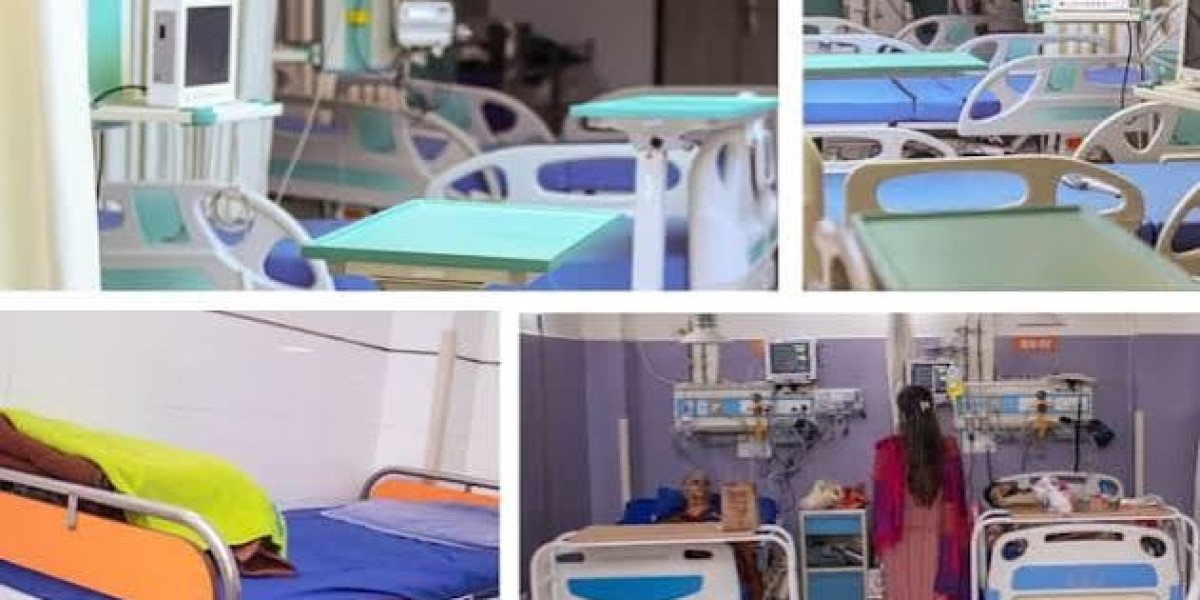


When someone is struggling with a mental-health concern, one of the first questions families often face is: Does this person need an outpatient consultation, structured day care, or inpatient psychiatric care? The answer is not based on a diagnosis alone. It depends on the person’s symptoms, safety, daily functioning, support system, treatment needs and how closely they need to be monitored.
For families looking for a psychiatric hospital in Delhi, understanding these three levels of care can make the healthcare journey less confusing. In general, OPD care allows a person to receive assessment and treatment without staying in the hospital; day care provides more structured and regular support while the person continues to live at home; and inpatient care involves staying at a hospital when more intensive monitoring or a structured environment is clinically required. The World Health Organization describes community mental-health systems as including outpatient, day-care, crisis, inpatient and rehabilitation services rather than relying on a single setting for everyone.
The appropriate level of care should be decided through a professional assessment rather than an online checklist or self-diagnosis.
What Is OPD Psychiatric Care?
OPD, or Outpatient Department care, is generally the least intensive of these three settings.
A person attends a scheduled consultation, assessment or therapy session and returns home afterward. Depending on the person's needs, outpatient care may involve a psychiatrist, psychologist or other appropriately qualified mental-health professional.
At VIMHANS, adult services describe OPD consultation as an option for people seeking assessment and support from mental-health professionals. Its psychiatry services include areas such as psychosis, depression, addiction and suicidal ideation, while psychology services include concerns such as anxiety, OCD, stress, relationships, cognition and behaviour.
What can happen during OPD care?
An initial consultation may involve:
Discussing symptoms, concerns and changes in daily functioning
Reviewing personal, medical and psychological history
Assessing factors that may contribute to the current difficulty
Considering whether further psychological or medical assessment is appropriate
Developing an individualized treatment or follow-up plan
Providing psychotherapy, psychiatric treatment or other interventions when indicated
Involving family members or caregivers where appropriate and with suitable consent
OPD care may be appropriate when a person's condition can be safely managed while they continue living at home and attending appointments.
For example, someone experiencing persistent anxiety, low mood, obsessive thoughts or difficulties functioning at work may initially be assessed through outpatient care. However, the presence of these experiences alone does not determine the required level of care.
What Is Psychiatric Day Care?
Day care sits between conventional OPD treatment and inpatient admission in terms of structure and intensity, although the exact programme varies between institutions.
A person participating in day care generally spends a planned period at the treatment facility for therapeutic, rehabilitation or structured activities and returns home rather than staying overnight.
This can be useful when someone needs more regular support than occasional appointments, but an overnight hospital stay is not considered necessary.
The WHO's community-based mental-health service model includes day care alongside outpatient care, crisis services, acute inpatient care and psychosocial rehabilitation.
At VIMHANS, adult services describe day care as providing customised programmes for children and adults. Its psychology services also describe personalised recovery-oriented adult day care, while its adult rehabilitation services include areas such as daily-living activities and social skills.
What might day care involve?
Depending on the individual's assessment and programme, day care can include:
Structured therapeutic activities
Psychological interventions
Occupational or rehabilitation activities
Development of everyday living skills
Social and communication activities
Psychoeducation
Family or caregiver involvement
Regular monitoring of progress
Activities supporting reintegration into everyday life
The exact programme should not be assumed from the term "day care." Families should ask the service provider what the programme includes, how frequently the person attends and what clinical goals it is intended to address.
What Is Inpatient Psychiatric Care?
Inpatient care, or IPD care, means staying in a mental-health facility for treatment and monitoring.
It is generally considered when a person's needs cannot be safely or effectively managed through outpatient or less intensive services. Indian clinical guidance on depression, for example, notes that most mild-to-moderate depression can generally be managed in outpatient settings, while inpatient treatment may be considered in situations such as severe depression with psychosis, suicidal or homicidal behaviour, severe nutritional compromise, catatonia, or circumstances in which physical or psychiatric factors make outpatient treatment unsafe.
This does not mean that everyone with a severe diagnosis automatically needs hospitalisation. The decision should consider the person's current clinical condition, safety, ability to function, available support and likely benefit from admission.
India's Mental Healthcare Act, 2017 also establishes a legal framework for admission and treatment in mental-health establishments. It states that, as far as possible, admissions should be independent admissions, with supported admission used when the relevant legal conditions make it necessary.
What can inpatient care provide?
Depending on the facility and individual treatment plan, inpatient care can provide:
Closer clinical monitoring
A structured therapeutic environment
Psychiatric assessment and treatment
Medication management by qualified clinicians
Psychological and psychosocial interventions
Nursing support
Occupational or rehabilitation activities
Family and caregiver support
Planning for transition back home and continuing care
The Ministry of Health and Family Welfare's mental-health service guidance describes inpatient services as including medical assessment, round-the-clock nursing care, emergency availability, psychosocial interventions and medication management.
VIMHANS currently describes its IPD service as a multidisciplinary, structured environment incorporating medical, psychological and socio-occupational aspects of care. Its website also identifies a Mental Health IPD and caregiver clinic among its services.
OPD vs Day Care vs Inpatient: A Simple Comparison
Feature | OPD | Day Care | Inpatient Care |
Overnight stay | No | Usually no | Yes |
Level of structure | Lower | Moderate to high | High |
Frequency | Scheduled appointments | Regular planned sessions/programmes | Continuous care during admission |
Living arrangement | Home | Home after programme | Hospital/facility |
Monitoring | During appointments | More regular | Close and ongoing |
Rehabilitation support | May be included | Often more structured | Can be incorporated into admission |
Typical purpose | Assessment, treatment and follow-up | Structured treatment or rehabilitation | Intensive treatment and monitoring |
Who decides the setting? | Professional assessment | Professional assessment | Professional assessment and applicable admission process |
These categories can overlap. A person may move from one level of care to another as their needs change. For example, someone may begin with OPD treatment, participate in structured day care for rehabilitation, or require inpatient treatment during an acute episode and then transition back to outpatient or day-based support.
Who May Need OPD Care?
OPD may be considered when:
Symptoms are causing concern but the person remains reasonably safe at home.
Regular psychiatric or psychological follow-up is needed.
Therapy or counselling is being provided.
Medication requires monitoring by a prescriber.
The person needs an assessment to understand ongoing emotional, behavioural or psychological difficulties.
Longer-term follow-up is required after symptoms have stabilised.
Importantly, attending OPD does not mean a person's difficulties are "less serious." Many mental-health conditions can be managed effectively without hospital admission when the person's needs and safety allow it.
Who May Benefit From Day Care?
Day care may be considered when someone needs more structured intervention than occasional appointments.
This may be relevant when difficulties have affected everyday routines, independence, social functioning or participation in normal activities, particularly when rehabilitation and repeated therapeutic input are useful.
For example, some people recovering from a significant mental-health episode may need support rebuilding routines and daily-living skills even after the most acute symptoms have improved.
VIMHANS describes its adult day-care approach as recovery-oriented, with an emphasis on areas such as activities of daily living and social skills.
Day care is therefore not simply "a shorter hospital admission." Its purpose, intensity and activities can be different and should be determined according to the individual's treatment or rehabilitation goals.
When Might Inpatient Care Be Considered?
Hospital admission may be considered when the person's condition requires a level of observation, safety, assessment or treatment that cannot be adequately provided through outpatient care.
Examples can include:
Significant and immediate concerns about safety
Severe psychiatric symptoms affecting the person's ability to care for themselves
Severe depression accompanied by psychosis or other serious complications
A mental-health crisis requiring intensive assessment and stabilisation
Severe behavioural or psychological disturbance that cannot be safely managed in the current environment
Situations where physical and psychiatric concerns require closer monitoring
The exact decision depends on clinical assessment. NICE guidance similarly emphasises considering alternatives to admission where safe and appropriate, while inpatient care may be needed when a person's needs cannot be adequately supported in less intensive settings.
Does Going to a Psychiatric Hospital Always Mean Being Admitted?
No.
This is an important distinction for families searching for a mental hospital in Delhi.
Visiting a psychiatric hospital does not automatically mean that someone will be admitted. A person may attend for an OPD consultation, psychological assessment, therapy or rehabilitation service and return home the same day.
Admission is a separate clinical decision based on the person's current needs and applicable legal and clinical procedures.
This is one reason it can be useful to seek professional assessment rather than delaying care because of fear that "going to a psychiatric hospital" automatically means hospitalisation.
How Do Psychiatrists and Psychologists Fit Into These Settings?
Psychiatrists and psychologists have different professional roles, although they may work together.
A psychiatrist is a medical doctor specialising in mental health. Depending on the person's needs and assessment, psychiatrists can evaluate psychiatric symptoms, consider medical factors, diagnose mental-health conditions and prescribe medication.
A psychologist may conduct psychological assessments and provide psychological interventions within their qualifications and professional role.
Other professionals—including occupational therapists, rehabilitation professionals and other members of a multidisciplinary team—may contribute to recovery and functional goals.
A person's care may therefore involve more than one professional rather than requiring the family to choose a single type of provider.
How Can Families Decide What Level of Care to Explore?
Families do not need to determine the treatment setting themselves.
A useful first step is to arrange an assessment and explain:
What changes have occurred and when they began
How symptoms are affecting work, education, relationships or self-care
Any previous mental-health treatment
Current medicines and relevant medical conditions
Changes in sleep, appetite or substance use
Any concerns about safety
What support is available at home
What the person and family hope to achieve from treatment
The clinician can then consider whether OPD treatment, structured day care, inpatient care or another form of support is appropriate.
At VIMHANS, the current adult-services information describes a continuum including OPD consultation, IPD for closer monitoring of acute or critical symptoms, and customised day-care programmes.
When Should a Mental-Health Assessment Be Sought Urgently?
Urgent professional help is important when there is an immediate concern that someone may harm themselves or another person, is experiencing severe confusion or loss of contact with reality, or cannot safely care for basic needs.
In an immediate emergency, contact local emergency medical services or go to the nearest appropriate emergency facility rather than waiting for a routine appointment.
For non-immediate concerns, an early psychiatric or psychological assessment can help clarify what is happening and what level of support may be appropriate.
The Right Level of Care Can Change Over Time
Mental-health treatment is not always a fixed pathway.
Someone may start with OPD care, require a higher level of support during an acute episode, and later transition into outpatient follow-up or rehabilitation. Others may never need inpatient treatment and can receive appropriate care through OPD and community-based services.
The aim is not to choose the most intensive setting automatically. The aim is to find a setting that is safe, clinically appropriate and suited to the person's current needs.






