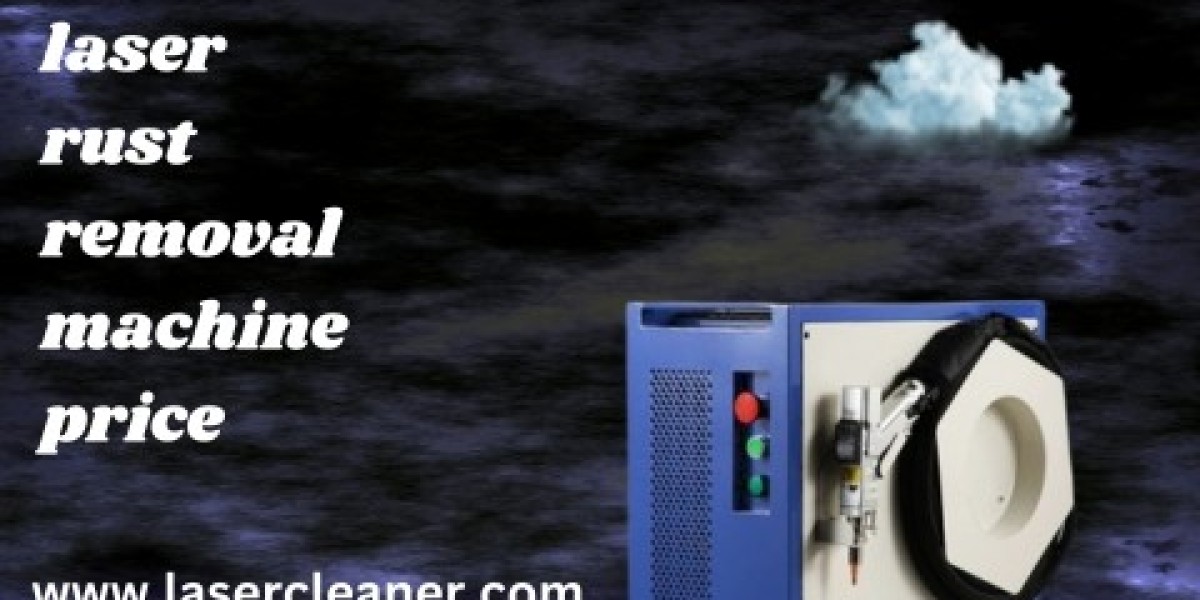


When businesses begin searching for a modern way to remove rust from metal surfaces, one of the first questions they ask is about the laser rust removal machine price. The cost can vary considerably depending on the machine’s laser power, configuration, working method, manufacturer, and intended application. Understanding these factors makes it easier to select equipment that matches your production requirements and budget.
Laser rust removal technology has become increasingly popular in workshops, manufacturing facilities, automotive operations, restoration businesses, and metal-processing environments. Instead of relying primarily on conventional cleaning processes, operators can use concentrated laser energy to remove unwanted rust and surface contamination from suitable materials.
What Is a Laser Rust Removal Machine?
A laser rust removal machine is industrial equipment designed to clean rust, oxidation, paint residues, oil, dirt, and other contaminants from compatible surfaces. The machine produces a concentrated laser beam that interacts with the unwanted layer on the surface.
When the laser is correctly configured, contaminants can be removed while the underlying material remains suitable for further processing. This makes laser cleaning useful for preparing metal components before welding, painting, coating, maintenance, or inspection.
Why Is Laser Rust Removal Becoming More Popular?
Traditional rust removal methods can involve grinding, abrasive blasting, chemical treatment, or manual cleaning. These approaches may still be appropriate for particular applications, but many businesses are exploring laser technology because it offers a more controlled approach to surface cleaning.
The growing interest in this technology is also connected to the increasing demand for cleaner and more precise manufacturing processes. Businesses want equipment that can integrate into modern workshops without requiring complicated preparation for every cleaning job.
Understanding the Laser Rust Removal Machine Price
There is no single standard price for every laser rust removal machine. The laser rust removal machine price is influenced by several technical and commercial factors.
Laser power is one of the most important considerations. Lower-powered systems are generally designed for lighter cleaning work, while higher-powered machines can be selected for heavier rust and contamination or larger production requirements.
The type of laser source also affects the overall equipment configuration. Different manufacturers may use different components, laser sources, control systems, scanning technologies, and cooling arrangements.
Another consideration is the machine's configuration. A portable handheld system may have a different price from a larger integrated cleaning system. Businesses should therefore compare complete machine specifications rather than judging equipment only by its advertised price.
How Laser Power Influences Cost
Laser cleaning machines are commonly available in several power ranges. Lower-power systems may be appropriate for light rust, small components, maintenance work, and occasional cleaning.
Higher-power systems are more commonly considered for demanding industrial applications where operators need to process larger areas or heavier contamination.
For example, a workshop that cleans individual automotive components may have different requirements from a manufacturing facility cleaning large steel structures every day. Paying for significantly more power than the application requires may not be necessary.
Portable Laser Rust Removal Machines
Portable systems have become an important option for workshops and maintenance teams. A portable laser rust removal machine can allow operators to move the equipment between workstations or take it directly to larger components.
This type of configuration can be particularly useful when the object being cleaned is too large or difficult to move. Handheld laser cleaning equipment can also provide flexibility when different parts require cleaning at different locations.
When comparing the laser rust removal machine price for portable equipment, buyers should examine the complete package, including the laser source, cleaning head, control system, cooling arrangement, cables, and other supplied components.
Industrial Laser Cleaning Systems
For companies with regular production requirements, industrial laser cleaning systems may be more appropriate. These machines can be configured for repetitive cleaning operations and larger workloads.
Industrial users may apply laser cleaning to manufacturing components, metal fabrication, machinery maintenance, automotive parts, molds, tools, and other industrial surfaces.
The price of such systems can be higher because of their configuration and intended workload. However, businesses should consider the machine in relation to the specific production environment instead of comparing it directly with a smaller portable unit.
What Should You Check Before Buying?
Before focusing only on the laser rust removal machine price, buyers should identify the type of work they expect the machine to perform.
Start by determining the material that needs cleaning. Steel, stainless steel, aluminum, and other materials can require different operating settings. The type and thickness of the rust or contamination should also be considered.
Next, estimate the size of the components and the amount of cleaning required each day. Occasional workshop use and continuous industrial production can require very different equipment.
Comparing Suppliers and Machine Prices
Different suppliers may advertise significantly different prices for machines that appear similar at first glance. Buyers should therefore compare specifications carefully.
Check whether the quoted price includes the complete cleaning system or only the main machine. Ask about installation requirements, operating instructions, warranty coverage, spare parts, technical support, and after-sales service.
The reputation and experience of the supplier can also matter, particularly for businesses that depend on the machine for regular production. Reliable technical assistance can make equipment ownership easier over the long term.
Applications of Laser Rust Removal Machines
Laser rust removal equipment can be used across a wide range of industries. Automotive workshops can use laser cleaning for suitable metal components and restoration work. Manufacturing companies can clean parts before additional processing.
Restoration applications can also benefit from controlled surface cleaning when appropriate settings are used. Industrial molds, tools, pipes, mechanical components, and steel structures are other potential applications.
The exact suitability depends on the material, contamination, laser system, operating settings, and required surface condition.
Calculating the Right Investment
When evaluating the laser rust removal machine price, businesses should think beyond the purchase figure. Consider how frequently the equipment will be used, the size and type of components being cleaned, and the amount of work expected.
A small workshop with occasional cleaning requirements may have different purchasing priorities from a factory operating several shifts.
It can also be useful to request quotations from multiple suppliers and provide them with the same application details. This makes it easier to compare machines on a similar basis.
Choosing the Right Machine for Your Business
The right laser cleaning machine should correspond with the actual work environment. Consider laser power, portability, cleaning requirements, machine configuration, supplier support, and expected workload before making a purchase.
If the machine will be used primarily for light rust removal and maintenance, a compact system may be suitable. More demanding applications may require a higher-powered industrial configuration.
Rather than selecting equipment solely because it has a low advertised price, businesses should determine whether the complete system matches their cleaning requirements.
Final Thoughts
Understanding the laser rust removal machine price requires more than looking at one number. Laser power, machine configuration, laser source, portability, application requirements, supplier support, and intended workload can all influence the final cost.
For workshops, manufacturers, automotive businesses, maintenance teams, and metal-processing companies, laser cleaning can provide a modern approach to removing rust and other unwanted surface contamination. By clearly identifying the materials, contamination levels, component sizes, and expected workload, buyers can compare suitable machines more effectively.






