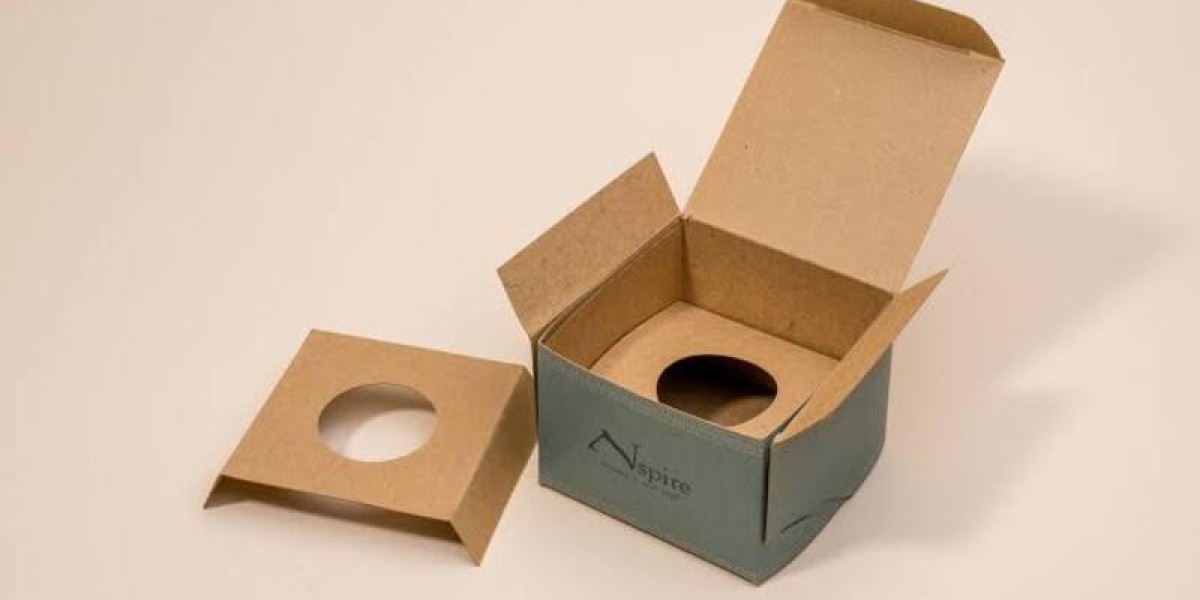


Why Dust and Debris Matter Inside Product Packaging
Packaging inserts are mainly used to position, separate, and support products, but the cleanliness of the internal package can be equally important. Loose fibers, paper dust, foam particles, and small pieces created during cutting or assembly can settle on a product before the box is opened.
Materials used across Inserts Hub include foam, cardboard, corrugated board, molded pulp, and divider structures, and each material can produce or collect particles in different ways. Insert design should therefore consider not only how securely the product fits, but also how clean the internal environment remains during packing, storage, and transportation.
Where Packaging Dust Usually Comes From
Dust inside a box does not always come from the product itself.
Paper-based materials can release small fibers from cut edges. Corrugated board may produce particles around slots, creases, and exposed flute edges. Certain foam materials can leave small fragments if they are cut roughly or repeatedly rubbed against hard surfaces.
Debris may also enter the package during assembly.
A dusty packing table, damaged cartons, trimming waste, or poorly stored inserts can introduce particles even when the insert material itself is relatively clean.
Cutting Quality Has a Direct Effect
The quality of die cutting, routing, sawing, or other converting processes can influence how clean an insert looks and behaves.
A smooth edge normally sheds less material than a rough or damaged edge.
This is particularly noticeable around:
- Small die-cut openings
- Narrow cardboard tabs
- Corrugated slots
- Foam cavity corners
- Repeatedly handled cut edges
Clean converting can therefore improve more than appearance. It can also reduce loose material inside the box.
Product Type Determines How Important Cleanliness Is
Not every product reacts to small particles in the same way.
A rugged metal component may tolerate a few paper fibers without any practical effect. A transparent cosmetic container, polished device, optical component, glossy product, or dark-colored surface may show the same particles immediately.
Products with exposed openings may need even greater attention.
Examples can include:
- Electronic connectors
- Vented housings
- Precision components
- Transparent containers
- Products with polished or glossy surfaces
The required level of cleanliness should match the product rather than following one rule for every package.
Foam Inserts Should Be Checked for Loose Particles
Foam is widely used because it can provide cushioning and close product support.
However, foam behavior varies according to its structure, density, and cutting method.
A poorly cut cavity can leave small particles around corners or narrow sections. Repeated insertion and removal of a heavy product may also rub against the cavity walls.
The foam should be inspected after cutting rather than only before production.
Avoid Excessive Friction Inside Foam Cavities
A cavity that is too tight can increase friction every time the product is inserted.
That friction may create surface wear on the product while also damaging the cavity edge.
The insert should control movement without forcing the product through unnecessarily tight contact areas.
Finger access can also reduce wear because the product can be lifted rather than dragged across the foam surface.
Paperboard Inserts Need Clean Cut Edges
Paperboard inserts are often used for lightweight products, retail packaging, cosmetics, and accessories.
The edges of a die-cut structure should remain clean and stable.
If the cut is incomplete, workers may tear sections apart manually. This can leave rough fiber edges.
The same issue can appear around small holes or narrow slots.
Well-planned die lines and proper converting reduce these problems.
Corrugated Board Requires Attention Around Flutes
Corrugated board contains an internal fluted layer between liners.
When the material is cut, flute edges may remain exposed.
This is normal, but poorly cut edges or repeated rubbing can create loose paper particles.
The orientation of the board can sometimes help keep exposed edges away from the most sensitive product surfaces.
Folded edges can also be used in areas where direct product contact needs to remain cleaner.
Molded Pulp Has a Different Surface Character
Molded pulp is made from fiber material and naturally has a different texture from smooth paperboard or foam.
Its surface may be appropriate for many products, but direct contact should be reviewed when the product has a highly sensitive finish.
A molded structure can sometimes support the product at selected areas rather than placing the entire surface against the tray.
This reduces unnecessary contact while maintaining product positioning.
Insert Material Should Match the Product Surface
The surface of the product influences which insert material is practical.
A rougher insert surface may work well with durable products but may be less suitable for items that show marks easily.
The following comparison can help explain the main differences.
| Insert Material | Possible Particle Source | Common Use | Main Area to Check |
|---|---|---|---|
| Foam | Cut edges or friction | Fragile and shaped products | Cavity walls and corners |
| Paperboard | Exposed fibers | Lightweight retail items | Die-cut edges and tabs |
| Corrugated Board | Flute and liner edges | Heavier or grouped products | Slots, dividers, cut edges |
| Molded Pulp | Natural fiber surface | Formed product support | Direct contact areas |
Material choice should be based on actual product needs rather than appearance alone.
Watch for Signs of a Particle Problem
A packaging sample can reveal early signs that the insert is creating or collecting too much debris.
Look for these five indicators:
- Visible fibers on dark or glossy product surfaces
- Small particles collecting inside cavity corners
- Rough or torn insert edges after product removal
- Debris appearing after repeated sample handling
- Dust accumulating on the bottom of the outer box
These signs do not always mean the material is unsuitable.
Sometimes only the cutting method, cavity fit, or handling process needs adjustment.
Packing Tables Can Introduce Debris
A clean insert can become dirty before it ever reaches the box.
Packing areas commonly handle cartons, labels, paper, tape, and other materials that can leave small waste particles behind.
If an insert is placed directly on an unclean surface, the underside or cavity may collect this debris.
Basic housekeeping can make a noticeable difference in package cleanliness.
Keep Finished Inserts Protected Before Use
Storage conditions also matter.
Open stacks of inserts can collect dust from warehouse activity.
Paperboard components may also become bent or damaged if stored carelessly, creating additional loose fibers during assembly.
Finished inserts are generally easier to keep clean when they remain inside protective cartons or wrapping until needed.
Consider the Order of Packing
The sequence in which packaging components are handled can influence cleanliness.
For example, trimming or tearing packaging material immediately beside an open product box can introduce small particles.
A cleaner sequence is to prepare the structural packaging first and then place the product into the finished cavity.
This is especially useful for products with exposed surfaces.
Avoid Hand-Tearing Connected Parts
Some die-cut components are produced with small connecting areas that keep several pieces together.
If workers have to tear them apart during packing, rough edges may result.
Where possible, production parts should separate cleanly before they reach the packing station.
This keeps the pack-out process more consistent.
Closed Compartments Can Reduce Incoming Debris
Some products benefit from compartments that protect them from neighboring packaging components.
A closed cardboard section or shaped cavity can reduce direct exposure to loose particles from another part of the package.
However, the compartment itself must remain clean.
Enclosing existing dust does not solve the problem.
Product Bags Can Add Another Barrier
Some products are placed inside protective bags before being positioned in an insert.
This can reduce direct contact with insert particles.
Whether a bag is suitable depends on the product, presentation requirements, moisture needs, and packing process.
The insert should be designed around the packed form of the product if a bag is part of the final packaging system.
Do Not Let Accessories Create Debris
Accessories can also contribute to internal package cleanliness.
Metal tools, loose hardware, rough cables, or other components may rub against cardboard partitions.
Repeated contact can damage the divider surface.
Dedicated compartments reduce movement and help prevent one component from wearing against another.
Test Repeated Product Removal
A package may appear clean after the first assembly.
Problems sometimes appear only after the product has been inserted and removed several times.
This is especially useful when packaging is designed for:
- Product demonstrations
- Retail displays
- Reusable storage
- Inspection processes
- Returnable products
Repeated handling can reveal weak edges and areas of excessive friction.
Use a Simple Cleanliness Review
A practical sample check can be completed in five steps:
Inspect the empty insert for loose fibers, foam particles, or rough edges before placing the product inside.
Pack the real product using the same method expected during production.
Move and handle the closed package in several normal shipping orientations.
Remove the product carefully and inspect its surfaces, corners, openings, and labels for particles.
Check the empty box and insert again to see where debris collected or which areas became damaged.
This process helps identify whether particles came from manufacturing, packing, or product movement.
Dark Products Make Testing Easier
Dust and light-colored fibers often show more clearly on black, dark blue, or other dark surfaces.
If the actual product has a dark finish, cleanliness problems may become visible immediately.
Light-colored products can hide the same issue.
Inspection should therefore include the insert and box itself rather than relying only on how clean the product looks.
Transparent Surfaces Need Careful Contact Planning
Transparent products can show even small fibers or marks.
A clear bottle, window, lens cover, or transparent housing may look dirty even when the amount of debris is minor.
Insert contact can be positioned around less visible structural areas instead of directly against large transparent surfaces.
This also helps reduce rubbing.
Separate Dust Control From Cushioning
A soft material is not automatically a clean material, and a clean-looking material is not automatically suitable for cushioning.
These are different packaging requirements.
The insert may need to provide both functions, but each should be considered separately.
A material that offers excellent impact protection still needs clean conversion and appropriate surface contact.
Review Debris After Transportation Testing
Transportation testing can reveal particle generation that is not visible during initial packing.
Vibration causes products, inserts, dividers, and accessories to move repeatedly.
Even very small movement can create wear over time.
After testing, inspect:
- Product surfaces
- Cavity edges
- Divider walls
- Box corners
- Accessory compartments
New particles can indicate where repeated contact is occurring.
Do Not Overlook the Outer Carton
The outer box itself may contribute fibers or dust.
A damaged corrugated carton can release particles from cut edges or crushed areas.
If the insert is clean but debris still appears, the outer packaging should also be inspected.
Packaging cleanliness depends on the complete system.
Keep the Insert Design Practical
Trying to eliminate every possible particle may create unnecessary complexity.
The required level of cleanliness should reflect the product and how customers will use it.
A durable industrial component has different needs from a polished cosmetic container or sensitive electronic device.
The most useful design controls the sources that actually matter.
A Cleaner Package Starts With Controlled Contact
Reducing dust and debris inside packaging requires more than choosing one particular material.
Cutting quality, cavity fit, storage, packing conditions, product surface, and transportation movement all influence the result.
When contact areas are planned carefully and inserts are inspected after realistic handling, packaging can remain cleaner without sacrificing product support, organization, or efficient use of space.






