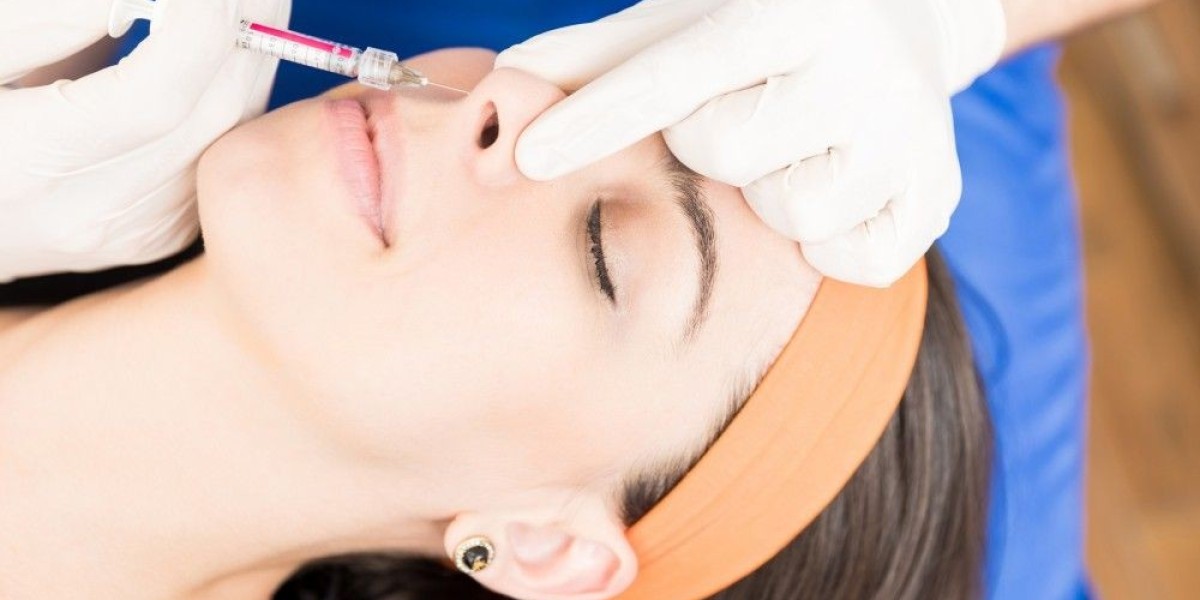


Preparation begins weeks before surgery, not on the morning of the operation. Rhinoplasty in Dubai involves a recovery period that affects work, sleep, exercise, and social plans, and patients who prepare thoroughly tend to navigate it more comfortably. This article outlines the practical and medical steps that typically precede surgery, what to arrange in advance, and which habits should be adjusted before the procedure.
Why Preparation Affects Outcomes
Surgical results depend on technique, but healing depends partly on the patient. Preparation influences:
Bleeding risk during and after surgery
Infection risk
Swelling severity
Speed of recovery
Emotional readiness
Overlooking these factors does not guarantee a problem, but it increases the odds of one. A structured approach reduces variables the patient can actually control.
Rhinoplasty in Dubai: Medical Preparation
Pre-operative medical preparation usually begins with instructions from the surgical team. Common elements include:
Medication review: Blood-thinning drugs such as aspirin, warfarin, and some anti-inflammatories may need to be paused. This must be directed by a clinician, never self-managed.
Supplement adjustments: Fish oil, ginkgo, ginger, garlic, and high-dose vitamin E can affect clotting.
Blood tests: Baseline investigations may be requested depending on age and health status.
Anaesthesia assessment: Where general anaesthesia is planned, a pre-anaesthetic evaluation is standard.
Chronic condition management: Diabetes, hypertension, and thyroid conditions should be well controlled.
Patients should provide a complete and honest medication list. Withholding information compromises safety.
Smoking and Nicotine
Smoking is one of the most significant modifiable risk factors in rhinoplasty. Nicotine constricts blood vessels and reduces oxygen delivery to healing tissue, which can impair wound healing and increase complication risk.
Patients are generally advised to stop smoking and vaping well before surgery and to remain abstinent during early recovery. Some surgeons request cessation several weeks in advance. Nicotine replacement products may also need to be discussed, as they carry similar effects.
This is one instruction worth following carefully rather than negotiating.
Lifestyle Adjustments Before Surgery
Several everyday habits are typically modified in the pre-operative period:
Avoiding alcohol, which can increase bleeding and interfere with anaesthesia
Staying well hydrated
Prioritising sleep
Maintaining reasonable nutrition rather than crash dieting
Avoiding strenuous exercise in the days immediately before surgery, if advised
These adjustments are modest but support safer surgery and smoother healing.
Practical Preparations at Home
Recovery is easier when the environment is ready. Useful preparations include:
Time off work: Most patients need one to two weeks away from work, depending on the job.
Sleep setup: Extra pillows allow the head to remain elevated, which helps reduce swelling.
Easy meals: Soft, low-salt foods are easier during the first days.
Medications: Prescribed pain relief and antibiotics should be collected in advance.
Support: Someone to assist for the first few days is helpful.
Entertainment: Books, podcasts, or streaming services for rest periods.
Childcare or pet care: Arranged if responsibilities would otherwise be difficult.
Small logistical oversights cause disproportionate stress during recovery.
Rhinoplasty in Dubai: Arranging Support and Transport
Patients should not drive themselves home after anaesthesia. Arranging transport in advance is standard practice. If the procedure is performed under sedation or general anaesthesia, a responsible adult should ideally stay with the patient for the first night.
Follow-up appointments also need to be scheduled, and transport to those visits should be planned ahead.
What to Bring to the Clinic
Most facilities provide guidance on what to bring. Typically this includes:
Identification documents
Insurance details, if applicable
A list of current medications
Comfortable, loose-fitting clothing that fastens at the front
Avoidance of jewellery, contact lenses, and makeup on the day
Button-front tops are often recommended because pulling garments over the head can disturb the nose during early recovery.
Mental Preparation
Preparing mentally matters as much as preparing practically. Patients should:
Revisit the expected timeline for results
Understand that swelling is temporary
Accept that the first weeks may feel unfamiliar
Plan for low energy and reduced social activity
Avoid comparing their recovery to others online
In our clinical experience, patients who have realistic expectations before surgery cope better with the early healing phase and are less likely to worry unnecessarily.
Questions to Clarify Before Surgery
Which medications should I stop, and when?
What should I do if I develop a cold before surgery?
Whom should I contact after hours if a concern arises?
When can I resume exercise and normal routines?
What symptoms require urgent attention?
Clarity on these points prevents confusion when it matters.
The Clinic's Role in Preparation
Thorough pre-operative guidance is a mark of a well-organised practice. At Tajmeels Clinic in Dubai, patients receive structured instructions covering medications, lifestyle adjustments, aftercare, and follow-up scheduling. This preparation supports safety and helps patients feel informed rather than uncertain as the procedure approaches.
Final Thoughts
Preparing for rhinoplasty is largely about removing avoidable risks and reducing day-to-day stress during recovery. Medical adjustments, lifestyle changes, home setup, and mental readiness all contribute to how smoothly the process unfolds. If you are scheduled for surgery, follow your clinical team's instructions precisely and ask about anything unclear. Good preparation does not guarantee a perfect result, but it meaningfully improves the experience.






