

Managing employee attendance sounds simple until a business has dozens or hundreds of employees arriving, leaving, working different shifts, and taking breaks at different times. Manual registers and spreadsheets may work for a small team, but they can quickly become difficult to manage as the workforce grows.
This is where automated attendance technology can make a practical difference. A modern time attendance system can record employee check-ins and check-outs, organize attendance information, and give management a clearer picture of working hours. For businesses operating in Dubai, where many organizations have diverse teams and shift-based operations, having a reliable attendance process can save administrative time and reduce unnecessary errors.
Why Are Traditional Attendance Methods Becoming Difficult?
Paper registers depend heavily on manual entries. Employees may forget to sign in, enter incorrect times, or leave information incomplete. HR staff then have to spend additional time checking records and correcting discrepancies.
Spreadsheets can improve organization, but they still require data to be entered and maintained properly. Calculating late arrivals, overtime, absences, and working hours manually can become particularly challenging when a company has multiple departments or locations.
An automated attendance solution reduces much of this repetitive work. Instead of relying entirely on manual records, employee attendance is captured electronically and can be accessed when needed.
What Does a Time Attendance Machine Actually Do?
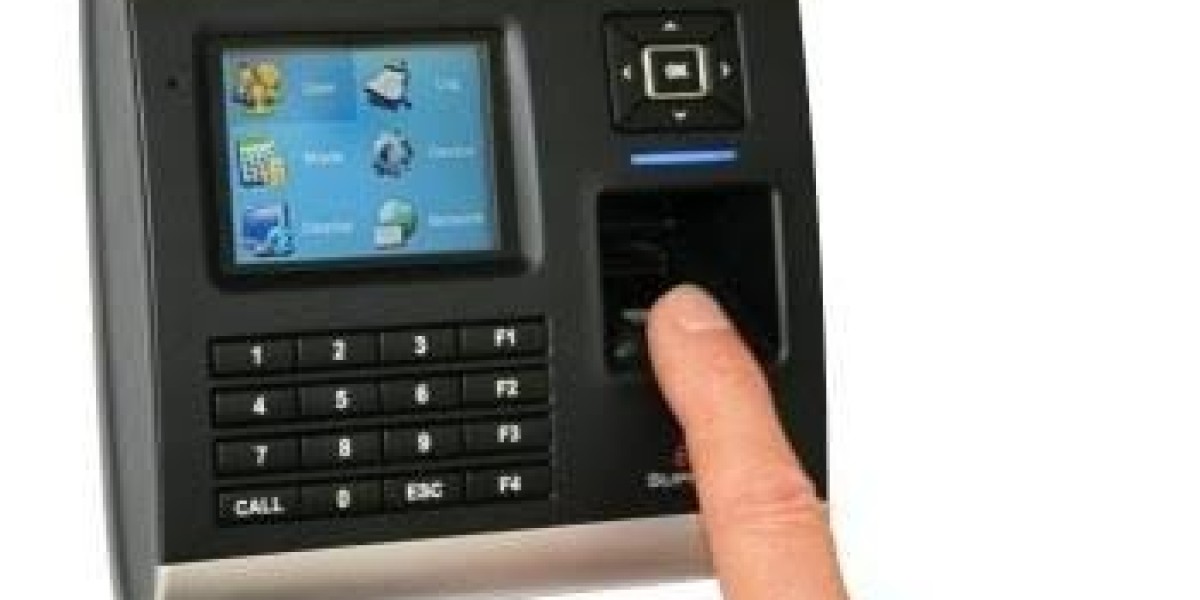
A time attendance machine is designed to record when employees enter and leave a workplace. Depending on the model and configuration, employees may verify their identity using fingerprints, facial recognition, RFID cards, passwords, or other authentication methods.
Once an employee checks in or out, the system records the relevant information. This creates a digital attendance history that HR teams can use for monitoring working hours and preparing reports.
The technology can be particularly useful for businesses with fixed shifts, rotating schedules, multiple departments, or a large number of employees. Instead of collecting attendance information from different sources, management can work with centralized digital records.
How Can It Help HR Departments?
HR teams often spend considerable time dealing with attendance-related administration. Late arrivals, early departures, absences, overtime, and shift changes all need to be tracked accurately.
A properly configured attendance system can make this process more organized. HR staff can review attendance records, identify patterns, and generate reports without manually checking every employee's entry.
For example, if an employee regularly arrives late, the attendance record can provide a clear history of the relevant dates and times. Similarly, overtime information can be reviewed using recorded working hours rather than relying entirely on handwritten records.
This does not eliminate the need for HR oversight, but it can make the administrative side of workforce management considerably easier.
Is It Useful for Shift-Based Businesses?
Yes. Attendance becomes more complicated when employees do not follow a single nine-to-five schedule.
Retail stores, hospitality businesses, warehouses, security companies, manufacturing facilities, and other organizations may operate multiple shifts. Employees may start at different times, work overnight, or change schedules from one week to another.
A suitable attendance system can be configured around these working patterns. This allows businesses to monitor attendance according to their actual schedules instead of forcing every employee into the same structure.
For companies managing several shifts, this can also make it easier to identify attendance gaps and ensure that staffing requirements are being met.
Can Attendance Systems Improve Payroll Accuracy?
Attendance records are often closely connected to payroll. Working hours, overtime, unpaid leave, and absences can all affect employee calculations.
When attendance information is recorded electronically, HR teams have a more consistent source of data for payroll processing. This can reduce the amount of manual calculation involved and help identify discrepancies before payroll is finalized.
However, businesses should make sure their attendance software is configured correctly and integrated appropriately with their payroll or HR processes. Automation is most useful when the underlying rules and employee information are accurate.
What Should Businesses Consider Before Buying One?
Not every attendance machine is suitable for every organization. Businesses should first consider the size of their workforce, number of locations, employee schedules, and required authentication methods.
For a small office, a straightforward fingerprint or card-based device may be sufficient. A larger organization may need facial recognition, centralized management, multiple devices, cloud connectivity, or integration with existing HR software.
The physical environment also matters. A device installed at a busy entrance needs to handle regular employee traffic without creating unnecessary queues. Similarly, organizations with outdoor or semi-outdoor access points should choose equipment designed for the relevant conditions.
Support and maintenance should also be considered. Even reliable hardware may require configuration changes, software updates, replacement components, or troubleshooting over time.
Why Is Local Support Important in Dubai?
Choosing a technology provider is not only about purchasing hardware. Businesses may need assistance with installation, configuration, employee enrollment, software setup, networking, reporting, and future maintenance.
For organizations searching for a time attendance machine Dubai, working with a provider that understands local business requirements can make implementation easier. A proper assessment can help determine where the device should be installed, which authentication method makes sense, and how attendance data should be managed.
This approach is generally more useful than selecting a device based solely on specifications or price. The right solution should fit the company's workflow rather than forcing employees and HR teams to adapt to an unsuitable system.
The Bigger Role of Attendance Technology
A modern attendance machine is not simply a replacement for a paper register. When properly implemented, it can become part of a broader workforce management process.
Businesses can use accurate attendance information to understand staffing patterns, manage shifts, review working hours, and support payroll administration. Combined with access control and other workplace technologies, attendance systems can also contribute to a more organized approach to managing employees and physical access.
The important factor is thoughtful implementation. Technology works best when the hardware, software, employee policies, and management processes are designed to work together.
Conclusion
Employee attendance is an everyday business process, but managing it manually can consume significant time and create avoidable inaccuracies. Automated attendance technology gives businesses a more structured way to record working hours and manage employee information.
For organizations in Dubai, choosing the right time attendance machine Dubai solution can help simplify attendance monitoring, support HR operations, and provide more reliable records for workforce management. Before making a purchase, businesses should consider their workforce size, shift patterns, authentication requirements, software needs, and long-term support.
A well-planned attendance system is ultimately less about the machine itself and more about creating a reliable process that works for both employees and management.






