

Dental fillings are commonly used to repair teeth affected by cavities and minor structural damage. Although the purpose of a filling is generally the same—to restore lost tooth structure—the materials used for this treatment can differ. Each material has its own characteristics, appearance, durability, and suitability for different areas of the mouth.
For patients considering Teeth filling in Islamabad, understanding the main types of filling materials can help them have a more informed discussion with their dentist. The most suitable material depends on factors such as the location and size of the cavity, the condition of the tooth, aesthetic preferences, and functional requirements.
Why Are Different Filling Materials Used?
Not every cavity is the same. A small cavity on a front tooth may have different requirements from a larger cavity on a back molar that experiences significant chewing pressure.
Dentists consider several factors before selecting a filling material. These can include the amount of healthy tooth structure remaining, the position of the tooth, the size of the restoration, appearance, and the patient's individual oral health needs.
Understanding these differences helps explain why a dentist may recommend one material for one tooth and another material for a different situation.
Composite Resin Fillings
Composite resin is a tooth-colored material commonly used when maintaining a natural appearance is important. It can be closely matched to the surrounding tooth shade, making it a popular choice for visible teeth.
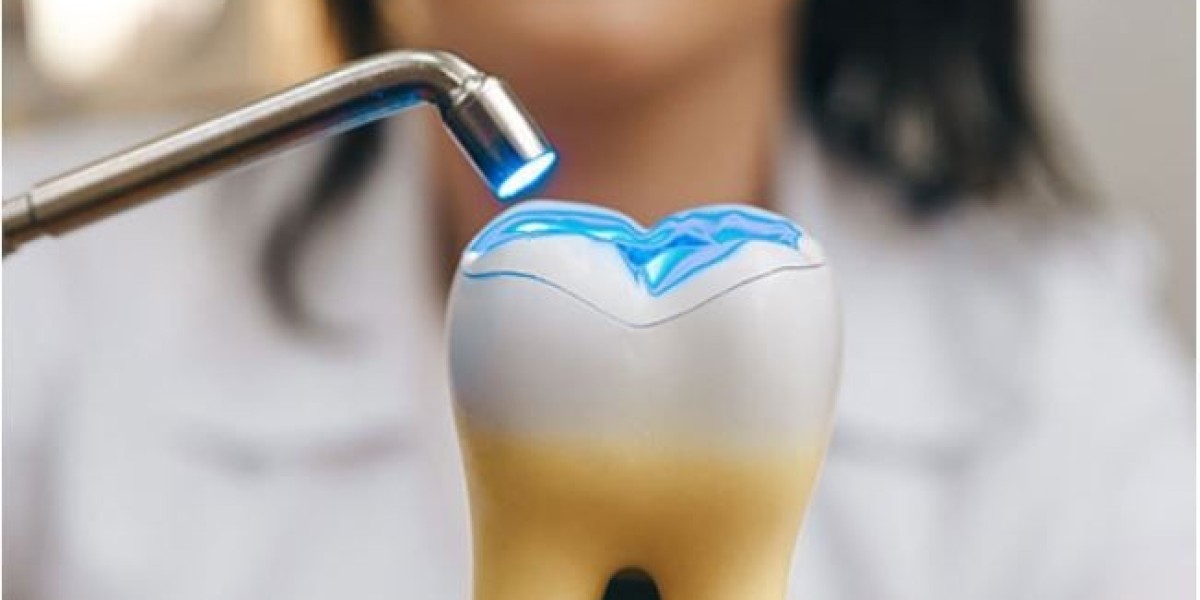
Composite fillings are placed directly into the prepared tooth. The material may be applied in layers and hardened using a special curing light. The dentist then shapes and polishes the restoration.
One advantage of composite resin is its aesthetic appearance. However, its suitability and long-term performance depend on factors such as the size and location of the restoration and the forces placed on the tooth.
Amalgam Fillings
Dental amalgam is a silver-colored filling material that has historically been used to restore cavities, particularly in back teeth. It is composed of a mixture of metals and has been valued for its strength and durability.
Because amalgam has a noticeable metallic appearance, it may be less desirable for patients who want tooth-colored restorations, particularly in visible areas.
The use of amalgam varies depending on dental practice, patient circumstances, and current clinical recommendations. A dentist can explain whether it is an appropriate option for a particular tooth.
Glass Ionomer Fillings
Glass ionomer is another type of restorative material used in dentistry. It can chemically bond with tooth structure and has applications in certain restorative situations.
One characteristic of glass ionomer materials is their ability to release fluoride, which can be beneficial in specific clinical circumstances. However, their physical properties may make them less suitable for areas exposed to heavy chewing forces compared with some other materials.
The dentist determines whether this material is appropriate based on the location and condition of the tooth.
Ceramic and Porcelain-Based Restorations
Ceramic and porcelain-based materials can provide a natural-looking appearance and may be used for certain types of dental restorations. They are often considered when aesthetics and restoration of a larger damaged area are important.
Unlike a simple direct filling, some ceramic restorations may be created outside the mouth and then bonded to the tooth. These restorations can be more involved than a routine filling and may be recommended when a standard filling is not the most suitable option.
Gold Restorations
Gold has also been used as a restorative material because of its durability and resistance to wear. Gold restorations can be long-lasting when properly designed and maintained.
However, gold has a distinctive appearance and may not be the preferred option for patients seeking a tooth-colored restoration. It can also involve a more extensive treatment process than a simple composite filling.
The dentist can discuss whether a gold restoration is appropriate based on the tooth and the patient's requirements.
Factors That Influence the Choice of Material
Choosing a filling material is not simply a matter of selecting the most attractive option. Several clinical factors need to be considered.
The size of the cavity is important because larger restorations may require materials or restoration types that can withstand greater forces. The location of the tooth also matters because back teeth generally experience substantial pressure during chewing.
A patient's oral hygiene, risk of future cavities, aesthetic preferences, and overall dental condition may also influence the recommendation.
Teeth Filling in Islamabad: Discussing Material Options
Patients seeking Teeth filling in Islamabad can benefit from discussing material choices with a qualified dental professional. During an examination, the dentist can assess the cavity and explain which restorative options may be appropriate.
Patients can ask about the appearance, expected durability, maintenance requirements, and limitations of each material. This conversation can help ensure that the selected treatment fits both the clinical needs of the tooth and the patient's preferences.
The final decision should be based on professional evaluation rather than choosing a material solely because it is popular or visually appealing.
Are Tooth-Colored Fillings Always the Best Choice?
Tooth-colored fillings can be an excellent option for many suitable cavities, particularly when appearance is important. However, no single material is ideal for every tooth.
The size and location of the cavity, chewing forces, moisture control during treatment, and the amount of remaining tooth structure can all influence the outcome.
A dentist may recommend a different material when a tooth-colored composite is unlikely to provide the necessary restoration for a particular situation.
Caring for Different Types of Fillings
Regardless of the material used, good oral hygiene is essential. Brush twice daily with fluoride toothpaste and clean between your teeth regularly.
Patients should also limit frequent sugary foods and drinks and attend routine dental checkups. Regular examinations allow the dentist to monitor fillings for wear, damage, or signs of decay around the restoration.
If a filling becomes chipped, loose, painful, or unusually sensitive, professional assessment is recommended.
Conclusion
Different teeth filling materials offer different characteristics, and the most appropriate choice depends on the individual tooth and the patient's dental needs. Composite resin, amalgam, glass ionomer, ceramic, porcelain, and gold-based restorations each have specific applications and considerations.
For patients considering Teeth filling in Islamabad, a professional dental examination can help identify the most suitable material for a particular cavity. Discussing appearance, function, durability, and maintenance with a dentist can help patients understand their options and make an informed decision about restorative care.
Frequently Asked Questions
1. What is the most common tooth-colored filling material?
Composite resin is a commonly used tooth-colored filling material. It can be matched to the surrounding tooth shade and is often considered for visible teeth.
2. Are all filling materials suitable for every tooth?
No. The appropriate material depends on factors such as the cavity's size and location, chewing forces, remaining tooth structure, and aesthetic considerations.
3. How do I know which filling material is right for me?
A dentist can examine your tooth and recommend suitable options based on its condition. You can also discuss appearance, durability, maintenance, and cost during your consultation.
4. How can I protect my dental fillings?
Maintain regular brushing and flossing, use fluoride toothpaste, limit frequent sugary foods and drinks, and attend routine dental checkups to monitor your fillings and overall oral health.
For more information visit Enfield royal clinic in islamabad






