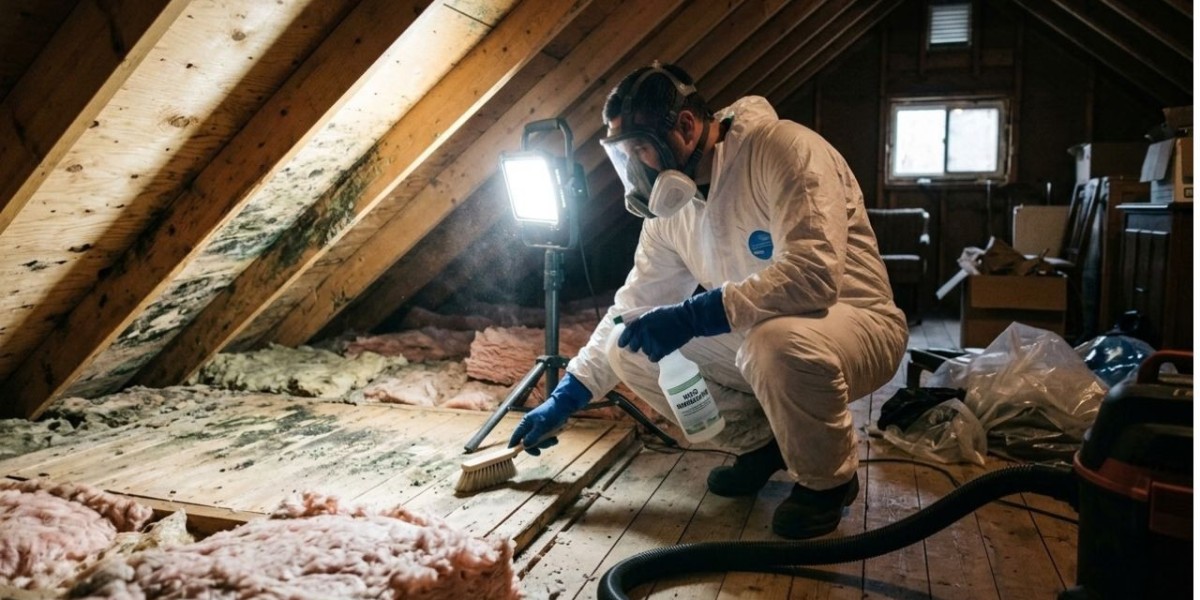


Mold in an attic is more than an unpleasant-looking problem. It can indicate excess moisture, poor ventilation, condensation, or a hidden roof leak. If left untreated, attic mold may spread across wood surfaces, affect insulation, create unpleasant odors, and contribute to poor indoor air quality. This is why choosing a professional Attic Mold Removal Service can be an important step toward protecting both your property and its occupants.
Professional attic mold removal focuses on more than cleaning visible growth. A complete solution should identify the moisture source, contain the affected area, remove contaminated materials when necessary, and help prevent mold from returning.
What Causes Mold in an Attic?
Attics can provide ideal conditions for mold when moisture and inadequate airflow occur together. One common cause is poor ventilation. Without sufficient air circulation, warm and humid air can become trapped in the attic and create condensation on colder surfaces.
Roof leaks are another possible source. Damaged shingles, flashing, or roof penetrations can allow water to enter the attic without immediately being noticed from inside the home.
Improperly vented bathroom or kitchen exhaust fans can also contribute to moisture buildup. Instead of exhausting humid air outdoors, these fans may release it into the attic, increasing the risk of condensation and mold growth.
Why Is Professional Attic Mold Removal Important?
Removing visible mold without correcting its cause may only provide a temporary solution. Mold can return when moisture remains present.
A professional Attic Mold Removal Service can begin with an inspection to determine how extensive the problem is and where the moisture is coming from. According to the Ottawa attic mold specialists' published process, inspections may involve moisture meters and thermal imaging to help identify moisture problems, followed by containment, removal, treatment, and ventilation corrections.
Professional work can also help reduce the risk of spreading mold spores into other areas of the home. Proper containment and appropriate equipment are particularly important when extensive contamination is present.
What Does the Mold Removal Process Involve?
Although the exact process varies according to the condition of the attic, professional remediation commonly involves several important stages.
1. Attic Inspection
The first step is determining the extent of the mold problem. Technicians inspect roof sheathing, rafters, insulation, corners, and other areas where moisture may accumulate.
2. Moisture Source Identification
The underlying cause must be addressed. Possible sources include roof leaks, inadequate ventilation, condensation, and incorrectly vented exhaust fans.
3. Containment
Affected areas may be isolated to help prevent mold spores from spreading during the remediation process. Professional services can use containment barriers and air-control equipment depending on the project.
4. Mold Removal and Cleaning
Visible mold and contaminated materials are removed using appropriate methods for the affected surfaces. Porous materials that cannot be effectively cleaned may need replacement.
5. Treatment and Prevention
After removal, affected surfaces can be cleaned and treated as appropriate. Improving ventilation and controlling moisture are essential because simply removing existing mold does not eliminate the conditions that allowed it to grow.
6. Final Inspection
A final inspection can help confirm that visible contamination has been addressed and that recommended corrective work has been completed. Some projects may also include additional air-quality or clearance testing.
When Should You Hire an Attic Mold Removal Service?
Homeowners should consider professional assistance when mold covers a significant area, keeps returning, is accompanied by a persistent musty smell, or appears alongside water damage or damp insulation.
Professional help is also useful when the source of moisture is difficult to identify. An attic may appear relatively dry during an inspection while having a history of seasonal condensation or intermittent roof leaks.
Trying to disturb extensive mold growth without appropriate containment and protective equipment can increase the risk of spreading spores. For larger or persistent problems, professional assessment is generally a more controlled approach.
How Can Attic Mold Be Prevented?
Prevention begins with moisture management. Homeowners should regularly check their roof for signs of damage and make sure attic ventilation is functioning properly. Bathroom and kitchen exhaust fans should vent outdoors rather than into the attic.
Insulation should also be kept dry and properly installed. If condensation repeatedly forms on attic surfaces, the ventilation and insulation system should be assessed rather than simply cleaning the visible mold.
The goal is to create an attic environment where excessive moisture does not have an opportunity to accumulate.
Why Choose Attic Mold Removal Ottawa?
Attic Mold Removal Ottawa focuses specifically on attic mold remediation and related attic solutions in the Ottawa region. The company describes a process that includes identifying moisture sources, containment, mold removal, antimicrobial treatment, ventilation improvements, and insulation handling when required. Its website also states that it serves communities across the Ottawa region, including Kanata, Orléans, Barrhaven, Nepean, and Stittsville. Homeowners looking for a specialized Attic Mold Removal Service can learn more about its approach and request an inspection by visit out website.
Conclusion
Attic mold should not be treated as simply a cosmetic problem. It can be a visible sign of excess moisture, inadequate ventilation, condensation, or water intrusion. A professional Attic Mold Removal Service can address the visible mold while also investigating the conditions that caused it.
By identifying moisture sources, using appropriate containment and removal methods, and improving attic ventilation and moisture control, homeowners can take practical steps toward protecting their property. Regular inspections and preventive maintenance can also reduce the likelihood of recurring attic mold problems.






