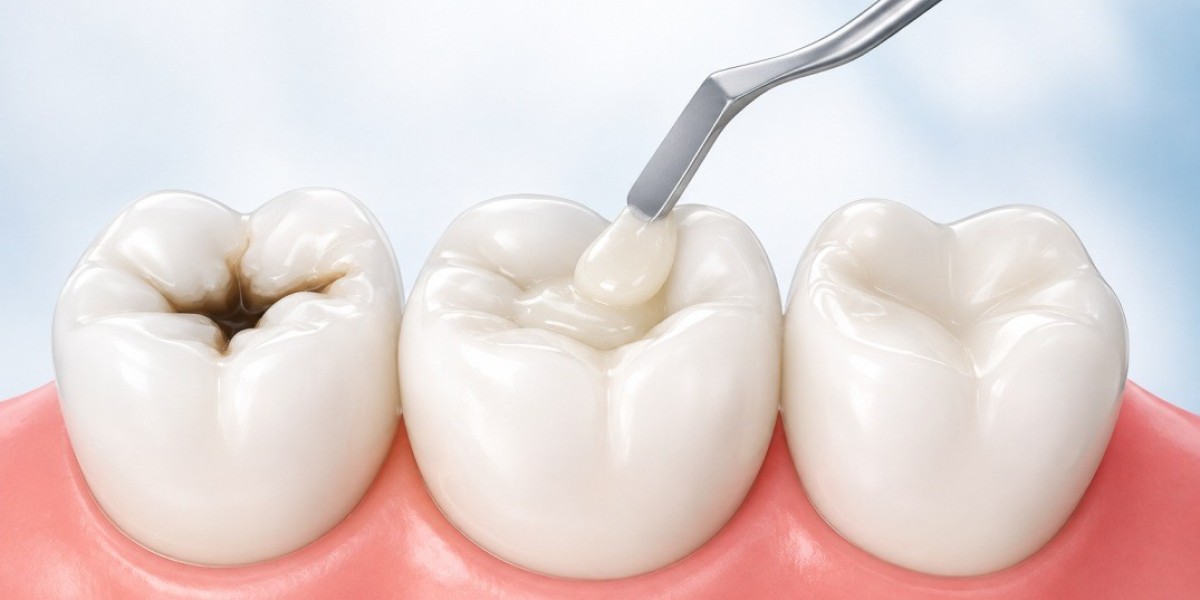


A small cavity may not seem like a serious problem at first. You may not feel pain and you may continue with your normal routine. But tooth decay can slowly become deeper. When this happens the tooth can become sensitive painful and difficult to use while eating.
A dental filling is one of the common ways to treat a tooth affected by decay. It removes the damaged part of the tooth and fills the space with a suitable material. This can help restore the tooth and protect it from further damage.
If you are considering Dental filling in DHA Lahore then understanding the treatment can help you make a more informed decision about your dental care.
What Causes Tooth Cavities?
Cavities usually develop when bacteria in the mouth produce acids that damage the outer layer of the tooth. Frequent sugary foods and drinks can increase the risk of tooth decay.
Poor brushing habits can also allow plaque to build up around the teeth. Over time this can weaken the tooth and create a cavity.
Some people may also develop cavities because of dry mouth or other dental problems. Regular dental checkups can help identify these issues early.
How Do You Know You Have a Cavity?
A cavity does not always cause pain. Sometimes it is found during a routine dental examination.
Common signs can include:
Sensitivity to cold or hot foods
Tooth pain while eating
Pain when eating sweets
A visible hole in the tooth
Dark spots on the tooth
Food getting trapped in one area
Bad breath in some cases
If you notice these signs it is better to have the tooth examined instead of waiting for the pain to become worse.
When Is a Dental Filling Needed?
A filling may be recommended when tooth decay has created a damaged area that needs to be repaired.
The dentist will examine your tooth and may take an X-ray if needed. The treatment depends on how deep the decay is and how much of the tooth has been affected.
If the decay is limited to the outer or middle part of the tooth a filling may be suitable. If the decay has reached the nerve then a different treatment such as root canal treatment may be required.
What Happens During a Dental Filling?
The dentist first checks the affected tooth. If needed the area is numbed with local anesthesia.
The damaged part of the tooth is carefully removed. The area is then cleaned before the filling material is placed.
Once the filling is in place the dentist shapes it so that it fits comfortably with your bite. The tooth is then checked before you leave the clinic.
The procedure is generally straightforward. Your dentist can explain each step before starting treatment so you know what to expect.
Common Types of Dental Fillings
Different materials can be used for dental fillings. The right choice depends on the location of the cavity and the condition of the tooth.
| Filling Material | Appearance | Common Use |
|---|---|---|
| Composite | Tooth colored | Front and back teeth |
| Amalgam | Silver colored | Some back teeth |
| Glass Ionomer | Tooth colored | Selected dental areas |
| Ceramic | Natural looking | Some larger restorations |
Composite fillings are often chosen when appearance is important because they can be matched with the natural shade of your teeth.
Your dentist can explain which option is suitable for your tooth.
Can a Dental Filling Save Your Natural Tooth?
Treating tooth decay early can help preserve more of your natural tooth.
When a cavity is left untreated the decay may continue to spread. A deeper cavity can affect the inner part of the tooth and may lead to pain or infection.
A filling can repair the damaged area when the tooth is suitable for this treatment. This is one reason why regular dental checkups are important even when you do not have tooth pain.
Is Dental Filling Treatment Painful?
Many patients worry about pain before getting a filling. Modern dental treatment can be performed with local anesthesia to keep the area numb during the procedure.
You may feel some pressure while the dentist works on the tooth. Mild sensitivity can sometimes occur after treatment.
If you experience strong or lasting pain after a filling then contact your dentist for a follow-up examination.
Why People Choose Us
Choosing the right dental clinic is important when you need treatment for a cavity. Patients want clear information and comfortable care.
We begin by examining the affected tooth before recommending treatment. We explain the condition of the tooth and discuss the available options with you.
Our focus is on preserving natural teeth whenever possible. We also aim to make the treatment process simple and comfortable for every patient.
If you are looking for Dental filling in DHA Lahore then a dental examination can help you understand the condition of your tooth and the treatment it may need.
How to Protect Your Teeth After a Filling
Good oral care can help protect your filling and your natural teeth.
Brush your teeth twice a day with fluoride toothpaste. Clean between your teeth daily and try to reduce frequent sugary snacks and drinks.
Avoid chewing very hard objects with your teeth. Visit your dentist for regular checkups so new cavities or problems around an existing filling can be found early.
Conclusion
A cavity may start small but it can become a bigger dental problem when ignored. Dental filling treatment can repair many teeth affected by decay and help restore normal tooth function.
If you have tooth sensitivity pain or a visible cavity then do not wait until the problem becomes worse. A dental examination can help determine whether a filling is suitable for your tooth.
For people searching for Dental filling in DHA Lahore an early consultation can be a simple step toward protecting your natural smile.
FAQs
1. How long does a dental filling take?
A simple filling can often be completed in one appointment. Treatment time depends on the size and location of the cavity.
2. Can a cavity be treated without a filling?
Very early tooth damage may sometimes be managed with preventive care. However a formed cavity may require a filling or another dental treatment.
3. Can I brush my teeth after a filling?
Yes. You can continue your normal brushing routine after a filling. Use a soft toothbrush and fluoride toothpaste.
4. How long will my filling last?
The lifespan of a filling depends on the material used and your oral habits. Regular dental care can help maintain it.
5. What happens if I leave a cavity untreated?
The decay may continue to spread deeper into the tooth. This can cause pain and may eventually require more complex treatment.
6. Can children get dental fillings?
Yes. Children can also develop cavities and may need fillings. Early treatment can help protect their developing teeth.
7. Should I get a filling if my tooth does not hurt?
A cavity can exist without causing pain. If your dentist finds decay during an examination they can explain whether treatment is needed.






