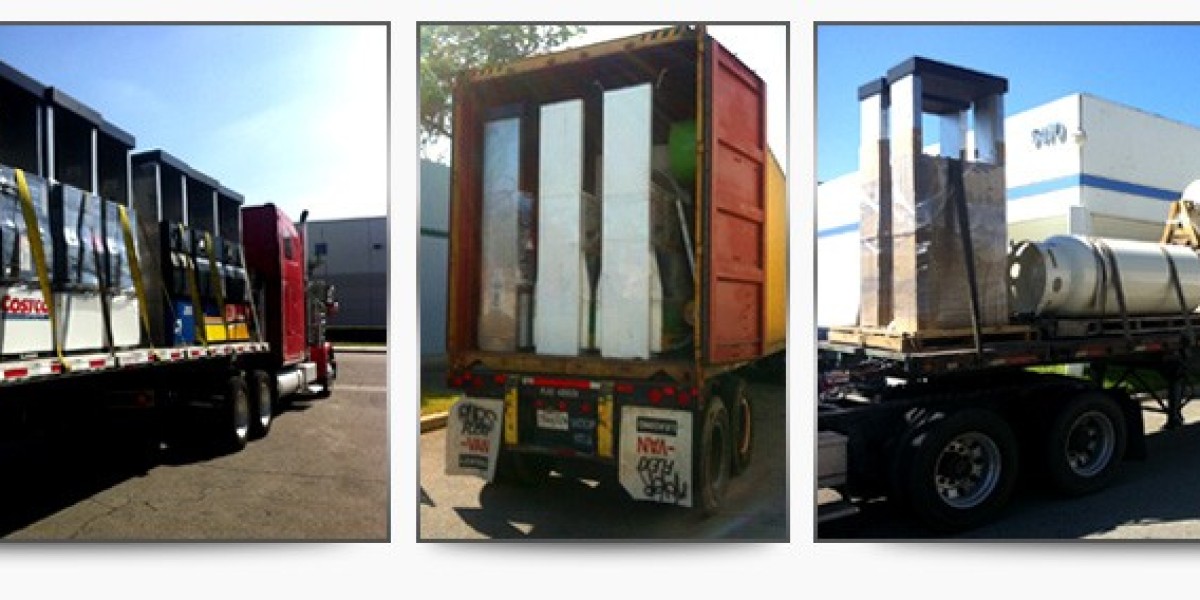


The fuel stations, workshops and businesses that are seeking to manage equipment expenses, purchasing used fuel pumps can be practical. But don't assume that a lower purchase price means that a used pump is a good buy. The state of the pump, compatibility, service record and availability of spare parts are all important.
Overall Condition
The first place to start looking at a used fuel pump is its physical state. You can check for rust, broken panels, leakages, wear and tear, or repairs in the past. A well cared for external appearance of the pump does not necessarily mean that the pump is good to buy, but only that good care is taken of the pump.
Age and Service History
An older pump that has been properly maintained may be more useful than a newer pump that has been poorly maintained or used extensively. The past operating conditions also can contribute to the condition of the motors, meters, valves, electronics, hoses and nozzles.
Compatibility
It is crucial to ensure that you get the compatibility you need when buying a used fuel pump. Determine the fuel type, flow rate, electrical needs, dispensing configuration and connection requirements of the pump.
The Accuracy Of Meters And Dispensing Devices
A metering pump that has been used but has damaged metering parts might need to be repaired or calibrated before it can be used again. All measuring devices used should comply with the relevant local regulatory and weights and measures requirements.
The Availability Of Spare Parts
If critical replacement parts for a used fuel pump are hard to obtain, it will make the system less appealing. Make sure that compatible meters, electronic boards, motors, valves, displays, hoses and other parts are still available prior to purchase.
Safety and Compliance
Never sacrifice safety for less expensive equipment. Everything from electrical components, ground, emergency shut-off systems, hoses and nozzles are items that should be checked prior to use.
Total Cost of Ownership
The purchase price is just one component of the equation. Used fuel pumps for sale include transportation, inspection, refurbishment, replacement parts, installation, calibration and future maintenance expenses.
Conclusion
Not all the cheapest gasoline dispenser is really the best. A good buy is one that is physically and mechanically sound, has the right specifications, offers availability of parts, has maintenance records, and is safe. By thoroughly examining the product before buying, a buyer can prevent having to come up with a large amount of money for unexpected repairs and select equipment that will offer long-term benefits to the buyer.






