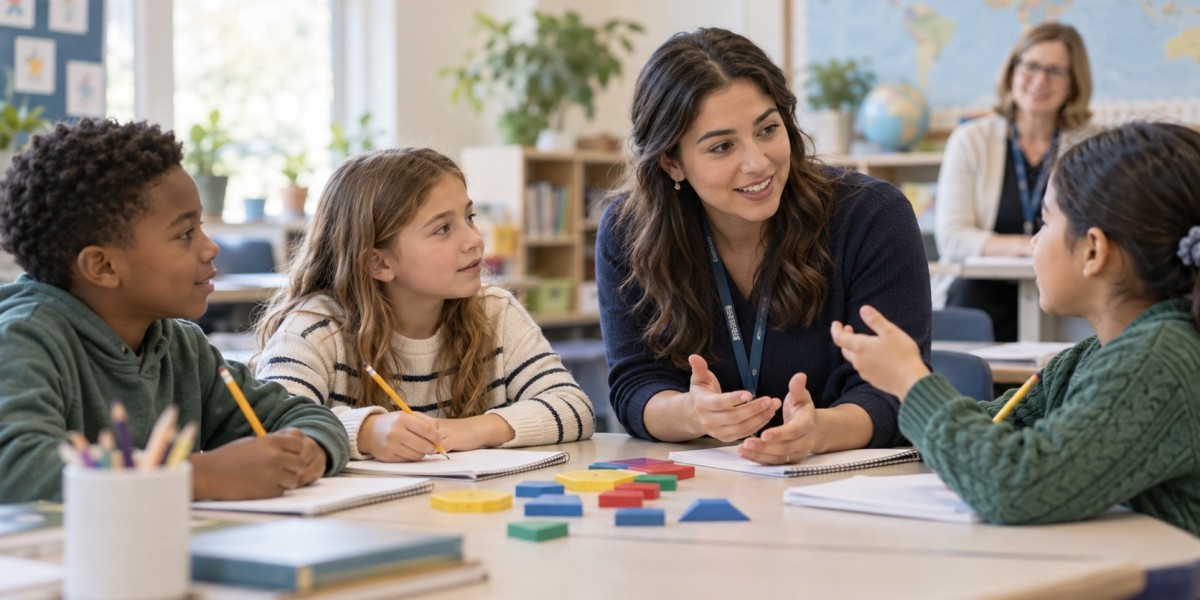


Becoming an effective teacher requires much more than understanding academic subjects or earning a degree in education. Future teachers need a combination of communication, classroom management, critical thinking, emotional intelligence, and instructional skills to create meaningful learning experiences. As classrooms become more diverse and technology continues to influence education, aspiring teachers must also learn how to adapt their teaching methods to different student needs and learning environments.
Education students in the United States have many opportunities to develop these abilities during their academic journey. From participating in classroom observations to completing student-teaching internships, every practical experience can help them understand the responsibilities of teaching. Developing strong study habits and managing demanding coursework are also important parts of this process. Students balancing several academic responsibilities may find additional flexibility through online academic coursework support, allowing them to organize their schedules while focusing on long-term professional development.
Why Skill Development Matters for Future Teachers
Teaching is a profession that directly influences students' academic progress, confidence, and personal development. Effective teachers do more than deliver lessons. They create supportive learning environments, encourage curiosity, recognize individual challenges, and help students develop skills they can use beyond the classroom.
For education students, developing professional skills before entering the workforce can make the transition from college to teaching more manageable. Classroom experiences often involve unexpected situations, including different learning speeds, behavioral challenges, communication barriers, and changing lesson requirements. A strong foundation of teaching skills helps future educators respond to these situations with confidence and flexibility.
In the United States, aspiring teachers may work in public schools, private institutions, charter schools, early childhood education centers, or specialized learning environments. Each setting presents different responsibilities, making adaptable professional skills particularly valuable.
Essential Communication Skills for Aspiring Teachers
Communication is one of the most important abilities future teachers can develop. Teachers communicate with students, parents, colleagues, administrators, and other education professionals. Clear and respectful communication helps establish trust, reduce misunderstandings, and support a productive learning environment.
Verbal Communication and Clear Instruction
Teachers must explain complex ideas in ways students can understand. This requires selecting appropriate vocabulary, organizing information logically, and adjusting explanations according to students' ages and academic abilities.
For example, an elementary school teacher explaining fractions might use paper shapes, drawings, and everyday examples involving food. A high school mathematics teacher might use equations, diagrams, and real-world applications to explain the same concept at a more advanced level.
Education students can improve verbal communication by practicing short lessons, participating in group discussions, and presenting academic projects. Recording practice lessons and reviewing them can also reveal areas where explanations need improvement.
Active Listening and Student Engagement
Effective communication involves listening as much as speaking. Students may express confusion through questions, classroom participation, written assignments, or changes in their behavior.
Active listening helps teachers identify these signals and respond appropriately. Rather than immediately correcting every mistake, teachers can ask follow-up questions to understand how students reached a particular conclusion.
Future teachers can strengthen this skill through peer discussions, classroom observations, and reflective teaching exercises. Paying attention to different perspectives also encourages a more inclusive classroom culture.
Parent and Professional Communication
Teachers regularly communicate with parents and guardians about academic progress, attendance, classroom behavior, and student development. They must explain concerns clearly while maintaining a respectful and constructive tone.
Education students should practice writing professional emails, preparing student progress updates, and participating in collaborative discussions. Understanding confidentiality and appropriate communication boundaries is equally important when working with families.
Classroom Management Skills That Create Positive Learning Environments
Classroom management is essential for maintaining an organized, respectful, and productive learning environment. It involves more than addressing disruptive behavior. Effective management includes establishing expectations, encouraging participation, preventing avoidable problems, and creating routines that support learning.
Establishing Clear Classroom Rules and Expectations
Students benefit from knowing what is expected of them. Teachers should establish classroom procedures that are understandable, consistent, and appropriate for students' developmental levels.
For example, a middle school teacher might introduce clear routines for group activities, classroom discussions, submitting assignments, and transitioning between lessons. When students understand these procedures, less instructional time is spent resolving confusion.
Future educators can practice developing classroom management plans during teacher preparation programs. They should consider how classroom rules can promote fairness, mutual respect, and student responsibility.
Managing Student Behavior Constructively
Behavioral challenges are a normal part of many classroom environments. Teachers need to respond calmly and consistently while considering the reasons behind student behavior.
A student who repeatedly interrupts a lesson, for instance, may need clearer participation expectations, additional engagement, or individual support. Addressing the situation through respectful communication and appropriate classroom strategies can be more productive than relying exclusively on punishment.
Aspiring teachers should learn about positive behavior support, conflict resolution, and developmentally appropriate discipline. They should also understand when a situation requires assistance from school counselors, administrators, or specialized support staff.
Creating an Inclusive Classroom Environment
Students have different backgrounds, abilities, interests, languages, and learning needs. An inclusive classroom recognizes these differences and aims to ensure that every student can participate meaningfully.
Teachers can encourage inclusion by using varied instructional materials, providing accessible learning activities, and establishing respectful discussion practices. They should also be aware of cultural differences and avoid assumptions about students' experiences.
Education students can develop inclusive teaching skills through coursework in educational psychology, special education, culturally responsive teaching, and supervised classroom experiences.
Critical Thinking and Problem-Solving Skills in Education
Teachers encounter situations that require thoughtful decisions rather than fixed solutions. Students may struggle with specific concepts, classroom activities may not produce the expected results, or unexpected challenges may interrupt a lesson. Critical thinking helps teachers evaluate these situations and make informed adjustments.
Adapting Teaching Methods to Different Learning Needs
Not every student learns at the same pace or through the same instructional approach. Some students respond well to visual materials, while others benefit from discussions, practical activities, demonstrations, or written explanations.
Future teachers should become familiar with differentiated instruction, which involves adjusting teaching strategies to address different student needs. For example, when teaching a science concept, an educator might combine a short explanation, a visual diagram, a hands-on experiment, and a written reflection.
This approach provides multiple opportunities for students to understand the same topic. Education students can practice differentiated instruction by designing lesson plans that include alternative activities, varied learning materials, and appropriate levels of challenge.
Using Assessment Data to Improve Instruction
Assessment is not limited to assigning grades. It also helps teachers understand whether students are learning effectively and which topics require additional attention.
Teachers can use quizzes, classroom discussions, written assignments, and informal observations to identify knowledge gaps. For example, if several students make similar mistakes in a mathematics assessment, the teacher may need to revisit a particular concept or demonstrate another problem-solving method.
Education students should learn how to interpret assessment results, provide constructive feedback, and adjust lesson plans based on evidence. These skills encourage a more responsive approach to instruction.
Emotional Intelligence and Empathy in Teaching
Emotional intelligence is an important professional skill because teaching involves regular interaction with people who have different emotions, expectations, and personal circumstances. Teachers who understand emotional responses can build stronger relationships and create a more supportive learning environment.
Understanding Student Emotions
Students may experience frustration, anxiety, excitement, disappointment, or a lack of confidence during their academic journey. Teachers should recognize that emotions can influence participation, concentration, and academic performance.
For instance, a student who avoids answering questions may be struggling with confidence rather than lacking subject knowledge. Encouragement, supportive feedback, and opportunities to participate in smaller groups can help create a more comfortable learning experience.
Future teachers can develop empathy through classroom observations, reflective journals, and discussions about student development. They should also understand professional boundaries and recognize when students need support from qualified counselors or other specialists.
Practicing Patience and Emotional Regulation
Teaching often requires patience, especially when students need repeated explanations or when classroom situations become challenging. Teachers must manage their own reactions while maintaining a respectful and consistent approach.
Education students can strengthen emotional regulation by reflecting on difficult interactions, practicing calm communication, and seeking constructive feedback from mentors. Developing these habits before entering a full-time teaching role can support long-term professional well-being.
Digital Literacy and Educational Technology Skills
Technology has become an important part of modern education across the United States. Learning management systems, digital assignments, interactive presentations, and online collaboration tools are widely used in many educational settings.
Future teachers should understand how to use technology to support learning rather than simply introducing digital tools for their own sake.
Using Digital Learning Platforms
Education students should become familiar with common classroom technology, including learning management systems, digital assessment tools, and collaborative applications.
For example, a teacher might use a learning platform to distribute assignments, share instructional materials, collect student work, and communicate important announcements. Digital quizzes can also provide immediate feedback and help identify areas where students need additional practice.
During teacher preparation, students can explore these platforms and practice designing digital learning activities that are accessible and easy to follow.
Promoting Responsible and Safe Technology Use
Digital literacy also includes understanding online safety, student privacy, accessibility, and responsible technology use.
Teachers should protect confidential student information, follow school technology policies, and evaluate online materials before incorporating them into lessons. When using artificial intelligence tools, they should also consider accuracy, bias, academic integrity, and the importance of students developing independent thinking skills.
These practices help future educators make informed technology decisions while maintaining a safe and responsible learning environment.
Organization and Time Management Skills for Teachers
Teaching involves several responsibilities beyond classroom instruction. Educators prepare lessons, grade assignments, communicate with families, attend meetings, and participate in professional development. Strong organizational habits help them manage these activities without losing focus on student learning.
Planning Effective Lessons
Lesson planning allows teachers to define learning objectives, select appropriate materials, organize activities, and determine how student understanding will be assessed.
A practical lesson plan should include:
Clear learning objectives that explain what students should achieve.
Relevant instructional materials and learning resources.
Activities that encourage active participation.
Time allocations for each part of the lesson.
Assessment methods for checking student understanding.
Alternative strategies for students who need additional support.
Education students should practice creating lesson plans for different subjects and grade levels. Reviewing these plans with instructors or experienced teachers can reveal opportunities to improve lesson structure and instructional clarity.
Balancing Academic and Professional Responsibilities
Education programs often include coursework, classroom observations, research assignments, examinations, and teaching practice. Managing these responsibilities requires realistic scheduling and consistent study routines.
Future teachers can use digital calendars, task lists, and weekly planning sessions to organize deadlines. Breaking larger assignments into smaller steps also makes academic responsibilities easier to manage.
These organizational skills are useful beyond college. They establish habits that teachers can apply when preparing lessons, managing grading schedules, and balancing professional responsibilities.
Collaboration and Teamwork Skills for Future Educators
Teaching is a collaborative profession. Teachers frequently work with other educators, school administrators, counselors, special education professionals, and families to support student learning.
Working Effectively With Other Teachers
Collaboration allows teachers to share instructional ideas, develop learning materials, and address common classroom challenges. For example, teachers in the same grade level may coordinate reading activities or create interdisciplinary projects that connect science, mathematics, and writing.
Education students can develop teamwork skills through group assignments, peer teaching, and collaborative lesson planning. These activities teach them how to share responsibilities, respect different viewpoints, and work toward shared objectives.
Building Relationships With School Communities
Schools function as communities in which teachers, families, and support professionals contribute to student development. Future educators should understand how to communicate with different stakeholders and participate in school activities.
Volunteering, attending educational events, and participating in supervised teaching experiences can help students understand the importance of professional relationships and community involvement.
Adaptability and Lifelong Learning in the Teaching Profession
Education continues to evolve as research, technology, student needs, and teaching practices change. Effective teachers must be willing to evaluate their methods and develop new skills throughout their careers.
Responding to Changing Classroom Needs
A lesson that works well for one group may not produce the same results with another. Teachers need to recognize when an instructional strategy is ineffective and make appropriate adjustments.
For example, if students have difficulty understanding a topic through traditional lectures, a teacher might introduce visual explanations, small-group activities, or practical demonstrations.
Future teachers can strengthen adaptability by observing different teaching styles, experimenting with instructional methods during supervised practice, and reflecting on the results of their lessons.
Seeking Feedback and Professional Development
Constructive feedback helps teachers identify strengths and areas for improvement. Education students should actively seek feedback from instructors, cooperating teachers, and peers during their preparation programs.
After entering the profession, educators can continue developing through workshops, professional learning communities, additional certifications, and relevant educational research.
A commitment to lifelong learning helps teachers maintain their professional knowledge and respond to emerging challenges in education.
Practical Ways Education Students Can Develop Teaching Skills
Understanding important teaching skills is only the beginning. Students need consistent opportunities to practice and improve them before taking full responsibility for a classroom.
Here are several practical approaches that can support their development:
Participate in classroom observations: Observe experienced teachers and note how they explain concepts, manage behavior, and engage students.
Complete student-teaching experiences: Use supervised teaching opportunities to practice lesson delivery, classroom management, and assessment.
Volunteer in educational settings: Support tutoring programs, after-school activities, community learning centers, or youth organizations.
Practice peer teaching: Prepare short lessons for classmates and request specific feedback about communication, pacing, and clarity.
Build a teaching portfolio: Save lesson plans, classroom activities, reflections, and examples of instructional materials to document professional growth.
Explore educational research: Read relevant studies and professional resources to understand evidence-based teaching strategies.
Reflect on teaching experiences: After each practice lesson, identify what worked, what needs improvement, and what changes could make the next lesson more effective.
These activities connect academic knowledge with practical experience. They also help education students develop confidence as they prepare to enter the profession.
Final Thoughts on the Skills That Make Future Teachers Effective
Becoming an effective teacher requires a combination of professional knowledge, practical abilities, and personal qualities. Communication, classroom management, critical thinking, emotional intelligence, digital literacy, organization, collaboration, and adaptability all contribute to successful teaching.
For education students in the United States, developing these skills during college and supervised classroom experiences can make the transition into professional teaching more manageable. Each lesson plan, classroom observation, group project, and teaching practice provides an opportunity to improve.
Ultimately, effective teaching is not about knowing every answer or using a single instructional method. It is about understanding students, making thoughtful decisions, creating supportive learning environments, and remaining committed to continuous improvement. By building these skills early, future teachers can prepare themselves to meet the diverse needs of their students and contribute meaningfully to education






