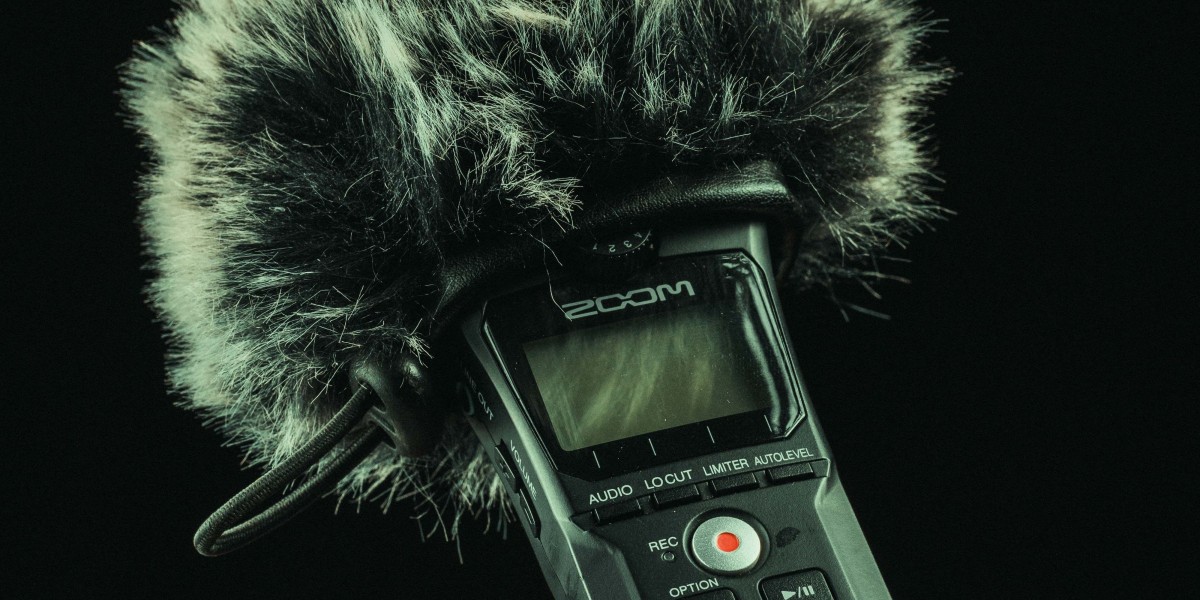


The Digital Voice Recorder Market is entering a new phase of development as recording devices evolve from simple audio-capture tools into intelligent platforms for documentation, transcription, and information management. Although smartphones have made voice recording widely accessible, dedicated digital recorders continue to offer advantages in sound quality, reliability, storage, battery performance, and specialized functionality.
The market forecast points toward continued transformation rather than a simple increase in device sales. Future growth is expected to be influenced by artificial intelligence, automated transcription, professional documentation needs, connected workflows, and demand for compact recording equipment across multiple industries.
The Market Is Shifting Toward Intelligent Audio Solutions
The future of the industry will increasingly depend on how effectively digital voice recorders solve broader information-management challenges. Users no longer want only a device that captures sound. They want tools that help convert conversations into searchable, organized, and usable information.
This shift is encouraging the development of AI-powered voice recording solutions that can support automatic transcription, summaries, keyword identification, speaker separation, and audio organization. Such capabilities can reduce the time required to review lengthy recordings and make recorded information more accessible.
As artificial intelligence becomes more integrated with recording hardware and software, the distinction between a traditional recorder and a digital productivity tool is likely to become less clear.
AI and Automated Transcription Will Influence Future Demand
Artificial intelligence is expected to be one of the strongest forces shaping the digital voice recorder market forecast. Recording hours of audio is useful, but manually reviewing every file can be time-consuming.
AI-based transcription allows spoken content to be converted into text more quickly. Advanced systems may also help identify different speakers, generate summaries, and locate specific sections within a recording.
These features are especially valuable for journalists, researchers, business professionals, students, consultants, and content creators. As transcription technology becomes more accurate and easier to use, demand may increasingly favor devices and platforms that combine high-quality recording with intelligent post-processing.
The long-term opportunity lies in creating a seamless workflow from voice capture to searchable information.
Professional Applications Will Support Market Expansion
Professional use will remain an important part of the future outlook. Businesses increasingly require accurate documentation of meetings, interviews, consultations, training sessions, and field activities.
Journalists and media professionals need dependable audio capture in environments where smartphones may not provide the desired quality or convenience. Researchers often rely on recording equipment for interviews and field studies. Legal, consulting, and administrative professionals may also use recording tools for documentation, subject to applicable privacy and consent requirements.
The growth of professional digital voice recorders is likely to be linked to workflow efficiency. Devices that make it easier to transfer, organize, transcribe, and secure recordings may have stronger long-term appeal than products focused only on basic audio storage.
Education and Knowledge Work Create New Growth Areas
Education is another sector likely to contribute to future demand. Students may use voice recorders for lectures, interviews, language practice, and research projects. Educators can use audio tools to create instructional material and document academic discussions.
The broader expansion of knowledge-based work is also significant. Professionals frequently manage large amounts of spoken information during meetings, interviews, brainstorming sessions, and client interactions.
In this environment, voice recording can become part of a wider productivity process. The future market may therefore benefit from products that connect recordings with note-taking platforms, digital storage, transcription systems, and workplace software.
Hardware Development Will Focus on Quality and Convenience
Despite the rise of software-based recording, dedicated hardware is expected to remain relevant. Purpose-built devices can provide physical controls, specialized microphones, extended battery life, and dependable operation without the distractions associated with smartphones.
Future product development is likely to focus on improved microphone arrays, better noise reduction, enhanced storage, faster file transfer, and compact designs. Manufacturers may also explore more intuitive interfaces that allow users to begin recording quickly and manage files with minimal effort.
Portability will remain important. Smaller and lighter products can appeal to professionals who travel frequently, conduct fieldwork, or need a recorder that can be carried throughout the day.
Connectivity Will Become More Important
The future of the Digital Voice Recorder Market will increasingly involve connected devices. Wireless connectivity can simplify file transfers and enable recordings to move quickly from hardware to computers, mobile devices, or cloud-based systems.
This development supports faster transcription and collaboration. A recording captured during a meeting, for example, could potentially move into a digital workflow for processing and review without requiring multiple manual steps.
However, connectivity also introduces greater responsibility around data protection. Users handling confidential information will expect secure transfers, access controls, and reliable storage practices.
Privacy and Security Could Shape Purchasing Decisions
As recording devices become smarter and more connected, privacy will become an increasingly important market consideration. Audio files may contain personal conversations, confidential business information, research data, or sensitive professional discussions.
Consumers and organizations are likely to pay greater attention to how recordings are stored and processed. Security features such as encryption, controlled access, secure file transfer, and privacy-focused settings may become more influential in purchasing decisions.
Manufacturers will also need to consider the legal environment surrounding audio recording. Consent requirements can differ across jurisdictions and situations, making responsible use an essential part of the broader industry conversation.
Consumer Demand Will Become More Specialized
The consumer segment is also expected to evolve. Instead of treating all users as one broad category, manufacturers may increasingly design products for specific needs.
Students may prioritize affordability and transcription. Travelers may value portability and battery life. Content creators may require high-quality microphones. Professionals may prioritize secure storage and workflow integration.
This specialization could encourage greater product diversity. Rather than competing solely on price, brands may differentiate through recording quality, intelligent features, design, security, and software compatibility.
Challenges Could Influence the Market Forecast
The market faces several challenges. Smartphones remain powerful competitors because recording functions are already built into many devices. Consumers may question the need to purchase separate hardware unless dedicated recorders offer clear advantages.
Price competition, software compatibility, data privacy, and technological complexity may also affect future adoption. Products with too many features may become difficult to use, while basic devices may struggle to justify their place in an increasingly intelligent technology ecosystem.
Successful companies will likely need to balance innovation with simplicity.
Future Outlook for the Digital Voice Recorder Market
The Digital Voice Recorder Market forecast is closely tied to the broader growth of artificial intelligence, digital documentation, and connected productivity tools. Future demand is likely to come from users seeking more than audio capture.
The strongest opportunities may emerge from products that combine reliable hardware with intelligent software. AI transcription, automated summaries, secure connectivity, enhanced audio processing, and searchable voice data could redefine the role of the modern recorder.
As spoken information becomes increasingly valuable in professional, educational, and creative environments, digital voice recording technology is expected to remain relevant by becoming smarter, more connected, and more closely integrated with everyday digital workflows.








