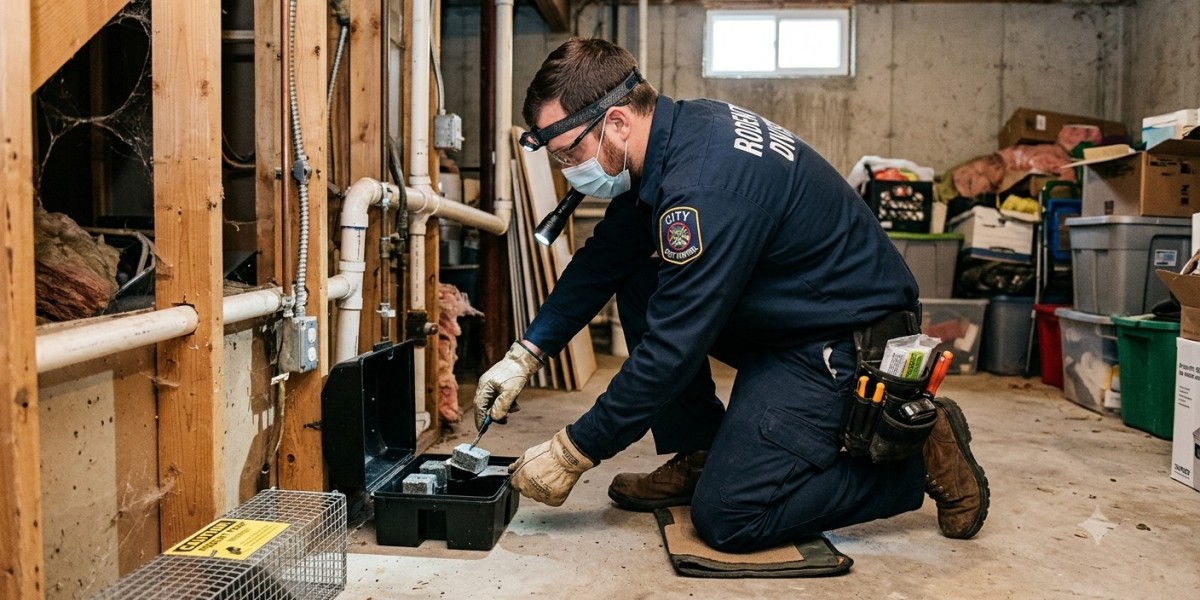


Rodents are among the most common and destructive pests found in homes, offices, warehouses, farms, and commercial properties. Mice and rats can cause extensive damage to buildings, contaminate food, spread dangerous diseases, and create an unhealthy living environment. Because they reproduce quickly, a small rodent problem can turn into a major infestation within a few months if left untreated.
Rodent control is the process of preventing, detecting, and eliminating rats and mice from residential and commercial properties. Effective rodent control involves a combination of sanitation, exclusion, monitoring, trapping, and, when necessary, professional pest management services.
This article explores everything you need to know about rodent control, including the types of rodents, signs of infestation, risks they pose, prevention methods, treatment options, and the benefits of hiring professional pest control services.
What Is Rodent Control?
Rodent control refers to the strategies and techniques used to manage or eliminate rodent populations. The goal is not only to remove existing rodents but also to prevent future infestations by addressing the conditions that attract them.
A successful rodent control program includes:
- Inspection
- Identification
- Exclusion
- Sanitation
- Trapping
- Baiting
- Continuous monitoring
The best approach focuses on long-term prevention rather than temporary solutions.
Common Types of Rodents
House Mouse
House mice are small rodents that commonly invade homes during colder months. They can squeeze through tiny openings as small as a quarter of an inch and reproduce rapidly.
Characteristics:
- Small body
- Large ears
- Long tail
- Gray or brown fur
Norway Rat
Norway rats are larger than mice and prefer basements, crawl spaces, and lower levels of buildings.
Characteristics:
- Large body
- Thick tail
- Brown or gray fur
- Excellent burrowers
Roof Rat
Roof rats are agile climbers often found in attics, ceilings, trees, and rooftops.
Characteristics:
- Slim body
- Long tail
- Black or dark brown color
- Excellent climbing ability
Why Rodents Invade Homes
Rodents enter buildings searching for three essential resources:
Food
Open food containers, crumbs, garbage, pet food, and bird seed attract rodents.
Water
Leaking pipes, standing water, and condensation provide the moisture rodents need to survive.
Shelter
Warm indoor environments offer protection from predators and harsh weather.
Signs of a Rodent Infestation
Early detection helps prevent severe infestations.
Common signs include:
Droppings
Rodent droppings are usually found near food storage areas, cabinets, basements, and walls.
Gnaw Marks
Rodents constantly chew to keep their teeth from growing too long.
Common materials damaged include:
- Wood
- Plastic
- Cardboard
- Electrical wiring
Scratching Sounds
You may hear scratching or running noises inside walls, ceilings, or attics, especially at night.
Nests
Rodents build nests using:
- Paper
- Fabric
- Insulation
- Dry leaves
- Cardboard
Grease Marks
As rodents travel along walls, they leave dark grease marks from their fur.
Footprints
Dusty areas may reveal small footprints or tail marks.
Health Risks Caused by Rodents
Rodents pose serious health hazards because they carry bacteria, parasites, and viruses.
Some diseases associated with rodents include:
- Salmonella
- Leptospirosis
- Hantavirus
- Rat-bite fever
- Lymphocytic choriomeningitis (LCMV)
Rodents can also spread fleas, ticks, and mites that carry additional diseases.
Property Damage Caused by Rodents
Rodents can damage buildings in many ways.
Electrical Damage
Chewing electrical wires increases the risk of electrical fires.
Structural Damage
Rodents chew:
- Wooden beams
- Drywall
- Insulation
- Plastic pipes
Food Contamination
Rodents contaminate food with urine, droppings, and hair, making it unsafe to consume.
Damage to Stored Items
Books, clothing, furniture, and important documents may be destroyed by nesting rodents.
How to Prevent Rodent Infestations
Prevention is the most effective rodent control strategy.
Seal Entry Points
Inspect your property for holes and cracks around:
- Doors
- Windows
- Pipes
- Utility lines
- Roof vents
- Foundation
Seal openings using:
- Steel wool
- Metal mesh
- Concrete
- Caulk
Keep Your Home Clean
A clean environment reduces food sources.
Important cleaning practices include:
- Sweep floors regularly.
- Wipe kitchen counters daily.
- Store food in airtight containers.
- Clean behind appliances.
- Dispose of garbage frequently.
Eliminate Water Sources
Repair:
- Leaking faucets
- Broken pipes
- Roof leaks
Avoid standing water around your property.
Store Food Properly
Never leave food uncovered.
Store:
- Pet food
- Bird seed
- Grain
- Dry goods
Use rodent-proof containers.
Maintain Outdoor Areas
Trim vegetation near buildings.
Keep:
- Firewood away from walls
- Grass short
- Trash bins tightly sealed
Remove clutter where rodents may hide.
Rodent Control Methods
Snap Traps
Snap traps remain one of the most effective methods for controlling small rodent infestations.
Advantages:
- Quick results
- Affordable
- No chemicals
- Easy monitoring
Live Traps
Live traps capture rodents without killing them.
However, local regulations may restrict releasing captured rodents into the wild.
Glue Boards
Glue traps capture rodents using strong adhesive surfaces.
Although inexpensive, many pest management professionals prefer more humane and effective methods.
Rodenticides
Poison bait can eliminate large rodent populations.
However, rodenticides should be used carefully because they may pose risks to:
- Children
- Pets
- Wildlife
Professional application is strongly recommended.
Electronic Traps
Electronic traps kill rodents instantly using a high-voltage shock.
Benefits include:
- Fast results
- Reusable design
- Minimal mess
Professional Rodent Control Services
Professional pest control companies provide comprehensive rodent management programs.
Typical services include:
Inspection
Experts inspect:
- Roofs
- Basements
- Crawl spaces
- Kitchens
- Garages
- Exterior walls
They identify entry points and nesting locations.
Identification
Professionals determine:
- Rodent species
- Infestation size
- Damage level
- Risk factors
Treatment Plan
A customized treatment plan may include:
- Trapping
- Bait stations
- Exclusion work
- Sanitation recommendations
Follow-Up Visits
Rodent control often requires multiple visits to ensure complete elimination.
Professionals monitor activity and adjust treatment when necessary.
Integrated Pest Management (IPM)
Integrated Pest Management (IPM) is a long-term, environmentally responsible approach to pest control.
It combines:
- Inspection
- Prevention
- Monitoring
- Physical controls
- Limited chemical use
IPM reduces pesticide use while providing effective rodent management.
Why DIY Rodent Control May Not Be Enough
While homeowners can handle small infestations, larger problems often require professional expertise.
DIY methods may fail because:
- Entry points remain open.
- Hidden nests are overlooked.
- Rodents reproduce quickly.
- Improper bait placement reduces effectiveness.
Professional pest control addresses both the rodents and the underlying causes of the infestation.
Benefits of Professional Rodent Control
Hiring professionals offers several advantages:
- Accurate identification
- Safe treatment methods
- Long-term prevention
- Faster results
- Reduced health risks
- Property protection
- Ongoing monitoring
- Expert recommendations
Professional services can save time and money by preventing recurring infestations.
Tips for Long-Term Rodent Prevention
To keep rodents away year-round:
- Inspect your property regularly.
- Seal new cracks immediately.
- Store food properly.
- Clean kitchens daily.
- Keep garbage bins tightly closed.
- Trim trees away from roofs.
- Repair plumbing leaks quickly.
- Reduce clutter indoors and outdoors.
- Schedule routine pest inspections.
- Act immediately if you notice signs of rodent activity.
Consistency is the key to long-term success.