

Businesses use many tools to communicate with customers, visitors, and the public. Among these tools, signs play an important role because they provide information and help people identify locations. Over the years, sign design has evolved from simple flat displays to more advanced and visually appealing solutions.
One of the most popular options today is 3d signage. It is widely used in commercial buildings, offices, retail stores, hotels, restaurants, and public facilities. The raised design creates depth and makes text and logos easier to notice. As a result, many organisations choose three-dimensional signs to improve visibility and communication.
A sign does more than display a name. It helps people recognise a location, navigate a building, and understand information quickly. The design, placement, and materials used in a sign can significantly affect how people interact with a space.
1. Why 3D Signage Stands Out More Than Flat Signs
Traditional signs are often produced on flat surfaces. While they can communicate information effectively, they may not attract attention in busy environments.
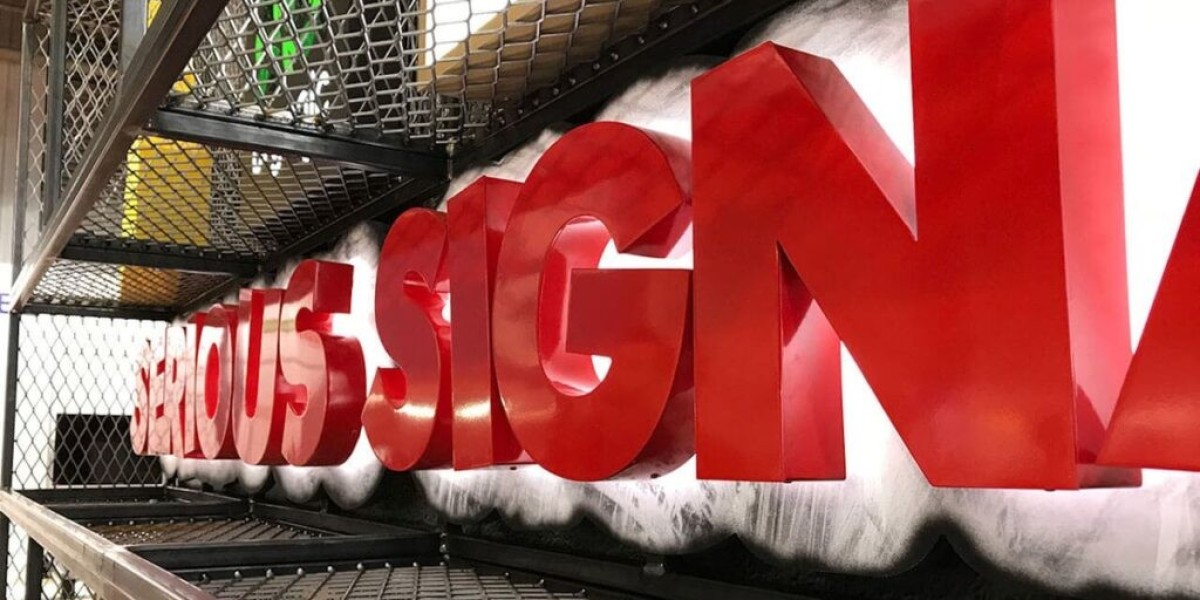
3d signage creates a sense of depth because the letters and graphics extend outward from the mounting surface. This dimensional appearance makes signs easier to notice from different viewing angles.
The shadows created by raised elements also improve visibility. During daylight hours, natural lighting can highlight the contours of the sign, making the text more noticeable. This added dimension helps distinguish a sign from its surroundings.
Because of this visual advantage, three-dimensional signs are commonly installed in areas with high foot traffic and strong competition for attention.
2. How 3D Signage Improves Business Identification
People often rely on visual cues when searching for a location. Clear and visible signs help visitors identify buildings, offices, and businesses more easily.
A three-dimensional sign allows company names and logos to appear more prominent. This can reduce confusion and make it easier for visitors to locate the correct destination.
Whether installed on an office reception wall or an exterior building façade, dimensional signs improve readability and help people recognise a location from a distance.
Many organisations consider signage an essential part of creating an organised and easy-to-navigate environment.
3. Common Materials Used in 3D Signage
The material used in sign production affects appearance, durability, and maintenance requirements.
Acrylic is one of the most common materials because it provides a smooth and modern look. It is available in various colours and thicknesses, making it suitable for different design styles.
Metal signs are also widely used. Stainless steel and aluminium offer strength and long-term durability, particularly in outdoor environments.
Some signs combine multiple materials to achieve a specific appearance. For example, acrylic faces may be paired with metal backing to create contrast and depth.
The choice of material depends on the installation location, environmental conditions, and design objectives.
4. The Role of Lighting in Sign Visibility
Lighting can significantly influence how a sign is perceived. A sign that is clearly visible during the day may become difficult to read at night without proper illumination.
Many three-dimensional signs include integrated lighting systems to improve visibility in low-light conditions. These systems can highlight letters, logos, and design elements.
Backlit and halo-lit effects are common choices because they create contrast between the sign and the background surface.
Good lighting not only improves readability but also ensures that important information remains visible throughout the day and evening.
5. How Placement Affects Sign Performance
Even the best-designed sign may fail to achieve its purpose if it is placed incorrectly.
The location of a sign should be determined by viewing distance, pedestrian movement, and surrounding obstacles. Trees, poles, neighbouring buildings, and parked vehicles can all affect visibility.
Signs installed too high or too low may also be difficult to read. Proper placement ensures that information can be seen clearly by the intended audience.
Before installation, many organisations evaluate traffic patterns and viewing angles to determine the most effective position.
6. Why Interior Spaces Use 3D Signage
Three-dimensional signs are not limited to exterior applications. Many offices, hotels, clinics, and commercial facilities use them indoors as well.
Reception areas often feature dimensional logos and company names mounted on walls. These signs help visitors identify the organisation immediately after entering the building.
Meeting rooms, departments, and office sections may also use raised lettering to improve wayfinding and organisation.
Interior signs contribute to a structured environment by making information easier to locate and understand.
7. How a Signage Company Dubai Supports Different Industries
A signage company dubai often works with businesses from various sectors, including retail, healthcare, education, hospitality, and corporate offices.
Each industry has unique requirements. Retail stores may prioritise visibility and customer attraction, while hospitals often focus on navigation and informational signage.
Educational institutions require signs that guide students and visitors through campuses, while hotels use signage to direct guests to different facilities.
Because every project has different goals, sign professionals typically consider location, purpose, audience, and environmental conditions before recommending a solution.
8. The Importance of Readability in Sign Design
A sign should communicate information quickly and clearly. If people struggle to read a sign, its effectiveness decreases.
Readability depends on several factors, including font selection, letter spacing, colour contrast, and viewing distance.
Large, well-spaced letters are generally easier to read than decorative or overly complex typography. Strong contrast between text and background also improves visibility.
Three-dimensional lettering can further enhance readability because the added depth helps characters stand out from surrounding surfaces.
A clear design ensures that information is understood without unnecessary effort.
9. How Weather Conditions Influence Outdoor Signage
Outdoor signs are exposed to environmental conditions throughout the year. Sunlight, rain, humidity, dust, and temperature changes can affect performance over time.
Materials used for exterior signs must be selected carefully to withstand these conditions. Acrylic, aluminium, and stainless steel are popular choices because they offer durability and resistance to weather-related damage.
Protective coatings may also be applied to improve longevity and maintain appearance.
Regular inspection and maintenance help ensure that signs remain visible and functional for extended periods.
10. Future Developments in 3D Signage
Signage technology continues to evolve as businesses seek new ways to improve communication and visibility.
Energy-efficient lighting systems are becoming more common because they reduce power consumption while maintaining brightness. LED technology remains a popular option due to its reliability and long service life.
Digital integration is another growing trend. Some modern signs combine physical dimensional elements with digital displays to provide flexible communication solutions.
Despite these advancements, the core purpose of signage remains the same. Signs help people identify locations, understand information, and navigate spaces more efficiently.
Final Thought
3d signage plays an important role in visual communication by making information more noticeable, readable, and accessible. Its dimensional appearance helps signs stand out in both indoor and outdoor environments. From material selection and lighting to placement and readability, every aspect contributes to the effectiveness of a sign. Whether used in offices, retail stores, educational institutions, or public facilities, three-dimensional signage continues to support clear communication and better navigation for visitors and customers alike.






