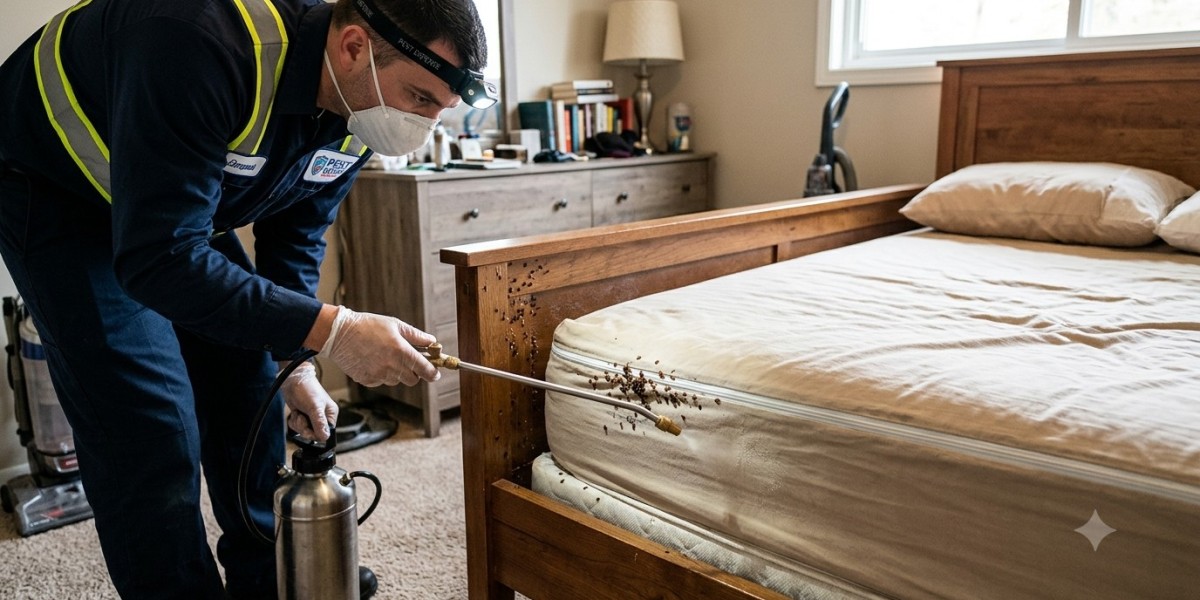


Bed bugs are persistent pests that can quickly turn a comfortable home or business into a source of stress and discomfort. Investing in professional Bed Bug Control is one of the most effective ways to prevent infestations, eliminate existing pests, and protect your property from future problems. Combining expert pest management with proactive prevention strategies, routine inspections, and good sanitation practices can significantly reduce the risk of bed bug activity. Understanding how these pests spread and knowing the best prevention techniques are essential for maintaining a healthy, pest-free environment.
Understanding Bed Bugs
Bed bugs are small, reddish-brown insects that feed on the blood of humans and animals, usually during the night. Unlike fleas or ticks, bed bugs do not fly or jump. Instead, they crawl and hide in cracks, crevices, mattresses, furniture, box springs, and other secluded spaces close to where people sleep or rest.
These pests are excellent hitchhikers and often spread by traveling on luggage, clothing, backpacks, used furniture, and personal belongings. Because they reproduce quickly and remain hidden during the day, early detection and prevention are critical for keeping infestations under control.
Why Bed Bug Prevention Matters
Preventing bed bugs is far easier and less expensive than eliminating a widespread infestation. Once established, bed bugs can spread throughout a property, making treatment more challenging.
Although bed bugs are not known to transmit diseases, their bites can cause itching, skin irritation, allergic reactions, and sleep disturbances. Infestations may also create emotional stress and discomfort for homeowners, tenants, hotel guests, and business owners.
By practicing effective prevention methods, you can minimize the chances of introducing bed bugs into your property and avoid costly treatments later.
Common Signs of Bed Bug Activity
Recognizing early warning signs allows for faster action and prevents infestations from growing.
Common indicators include:
Small reddish or brown insects around mattresses and furniture
Tiny dark spots from bed bug droppings
Shed skins left behind as bed bugs grow
Small white eggs or eggshells in cracks and seams
Bite marks appearing in clusters or straight lines
Blood stains on sheets or pillowcases
A musty odor in severe infestations
If these signs are noticed, immediate inspection and treatment are recommended.
Best Practices for Preventing Bed Bug Infestations
1. Inspect Hotel Rooms While Traveling
Travel is one of the most common ways bed bugs spread. Before unpacking your belongings in a hotel or vacation rental, inspect the room carefully.
Check:
Mattress seams
Headboards
Box springs
Upholstered furniture
Bed frames
Luggage racks
Keep luggage elevated on metal luggage racks instead of placing it directly on beds or carpeted floors.
2. Examine Luggage After Returning Home
After traveling, inspect suitcases before bringing them inside. Vacuum luggage thoroughly and wash travel clothing using hot water whenever appropriate.
Drying clothes on high heat can help eliminate bed bugs that may have traveled home with your belongings.
3. Be Careful with Secondhand Furniture
Used furniture can introduce bed bugs into a home if it has not been properly inspected.
Before purchasing or bringing secondhand furniture indoors:
Examine seams and cushions
Inspect wooden joints and cracks
Look for droppings, eggs, or shed skins
Avoid furniture with visible signs of infestation
Professional inspection may be worthwhile for valuable secondhand items.
4. Reduce Household Clutter
Clutter provides additional hiding places for bed bugs and makes inspections more difficult.
Keeping rooms organized allows easier monitoring and treatment if pests are introduced. Regularly clean under beds, behind furniture, and inside closets where bed bugs may hide.
5. Vacuum Frequently
Routine vacuuming helps remove bed bugs, eggs, and debris from carpets, furniture, mattresses, and baseboards.
Pay special attention to:
Mattress edges
Upholstered furniture
Bed frames
Floor cracks
Baseboards
Rugs
Dispose of vacuum contents immediately after cleaning.
6. Use Protective Mattress Encasements
Mattress and box spring encasements designed specifically for bed bugs create a protective barrier.
These covers:
Prevent bed bugs from entering mattresses
Trap existing bugs inside
Make inspections easier
Protect expensive bedding investments
Choose high-quality encasements that completely seal mattresses and box springs.
7. Seal Cracks and Crevices
Bed bugs hide in tiny openings throughout a building.
Inspect and seal:
Wall cracks
Baseboards
Electrical outlet gaps
Window frames
Loose wallpaper
Furniture joints
Reducing hiding places makes infestations less likely to develop.
Maintaining a Clean Living Environment
While bed bugs are not attracted to dirt like some pests, maintaining cleanliness makes inspections easier and reduces available hiding spots.
Helpful habits include:
Washing bedding regularly
Cleaning upholstered furniture
Vacuuming frequently
Organizing storage areas
Reducing unnecessary clutter
A clean environment allows homeowners to identify problems much sooner.
Protecting Multi-Family Properties
Apartment buildings, condominiums, hotels, and shared housing require additional attention because bed bugs can travel between units.
Property managers should:
Schedule regular inspections
Educate tenants about prevention
Respond quickly to complaints
Coordinate treatment between affected units
Encourage prompt reporting of suspected activity
Early intervention helps prevent widespread infestations.
Natural Prevention Methods
Although natural methods alone rarely eliminate bed bugs, they can support a comprehensive prevention plan.
Heat Treatment for Belongings
High temperatures are highly effective against bed bugs. Clothing, bedding, and washable fabrics can often be dried on high heat according to manufacturer recommendations.
Steam Cleaning
Steam cleaners can reach temperatures capable of killing bed bugs hiding in furniture seams, mattresses, and upholstery when used correctly.
Regular Monitoring
Installing bed bug interceptors beneath bed legs can help monitor activity and detect infestations before they become severe.
When Professional Bed Bug Control Is Necessary
Despite careful prevention, infestations can still occur. Professional pest control services provide the expertise needed to eliminate bed bugs completely.
Experienced technicians perform detailed inspections, identify infestation levels, and create customized treatment plans using proven methods.
Professional treatments may include:
Comprehensive property inspections
Targeted insecticide applications
Heat treatments
Steam treatments
Follow-up inspections
Preventive recommendations
Professionals also identify hidden infestation sites that homeowners often overlook.
Benefits of Professional Bed Bug Control
Choosing professional services offers several important advantages.
Accurate Identification
Experts distinguish bed bugs from other insects and determine the extent of the infestation.
Customized Treatment Plans
Every infestation is different. Professionals tailor treatment methods based on property size, infestation severity, and environmental conditions.
Thorough Elimination
Professional treatments target both visible bed bugs and hidden eggs, reducing the likelihood of reinfestation.
Long-Term Prevention
Many pest control providers offer follow-up inspections and preventive recommendations to help keep properties bed bug-free.
Peace of Mind
Knowing that experienced technicians have treated your property provides confidence that the infestation has been addressed effectively.
Tips for Long-Term Bed Bug Prevention
Maintaining consistent prevention habits is the best defense against future infestations.
Consider these long-term practices:
Inspect hotel rooms before unpacking.
Check luggage after every trip.
Avoid bringing discarded furniture into your home.
Vacuum bedrooms and living areas regularly.
Wash bedding frequently.
Reduce household clutter.
Use protective mattress encasements.
Monitor sleeping areas for early signs of activity.
Schedule routine professional inspections if your property has experienced previous infestations.
Conclusion
Preventing bed bug infestations requires awareness, routine inspections, and consistent preventive practices. Simple steps such as inspecting luggage after travel, reducing clutter, vacuuming regularly, sealing cracks, and carefully examining secondhand furniture can greatly reduce the risk of introducing these pests into your home or business.
When prevention alone isn't enough, professional Bed Bug Control services provide comprehensive inspections, advanced treatment methods, and long-term solutions to eliminate infestations effectively. By combining proactive prevention with expert pest management, homeowners and business owners can protect their properties, maintain a healthier living environment, and enjoy lasting peace of mind.