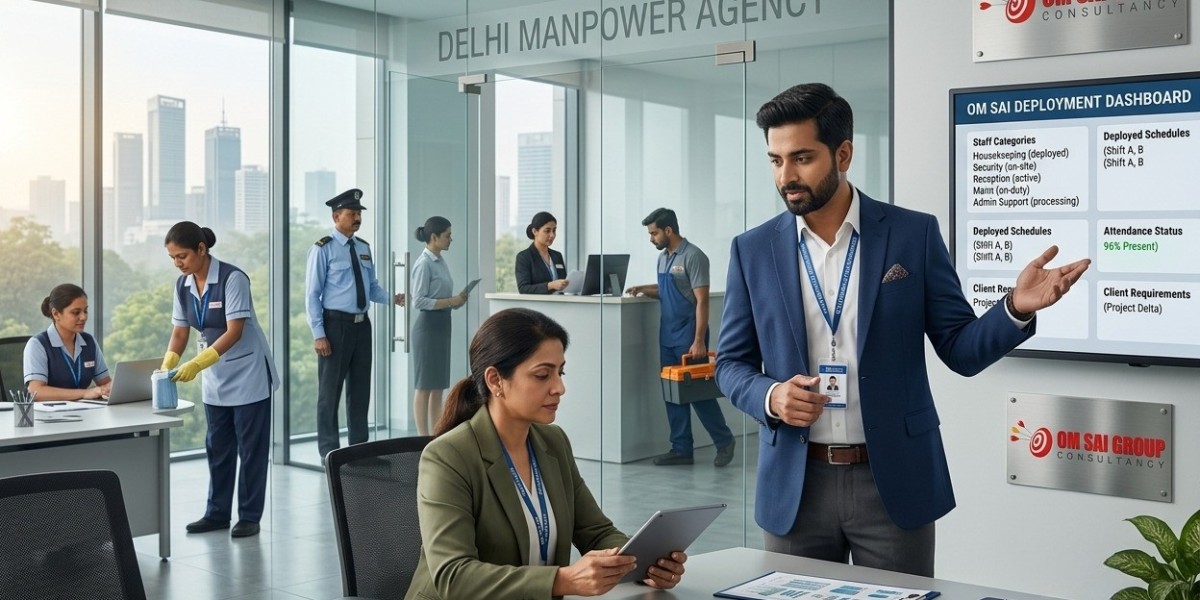


Employee Onboarding Solutions: How Businesses Can Create a Better Start for New Employees
Hiring the right employee is only the beginning of building a productive workforce. Once a candidate is selected, businesses need an organized process to help the new employee understand the company, role, responsibilities, workplace culture, policies, and expectations. A well-planned onboarding process can make this transition smoother and help new employees become productive more quickly. This is why effective employee onboarding solutions have become an important part of modern workforce management.
Employee onboarding refers to the structured process through which a newly hired employee becomes familiar with an organization and settles into their new role. It can begin after the candidate accepts the offer and continue through the employee's first days, weeks, or even months.
For employers managing regular hiring, bulk recruitment, or workforce expansion, having a standardized onboarding system can improve the overall employee experience while reducing administrative challenges.
Why Employee Onboarding Matters for Businesses
The first few days of employment can strongly influence how a new employee views an organization. If the joining process is confusing or poorly organized, employees may struggle to understand their responsibilities and workplace expectations.
A structured onboarding process can help organizations:
Introduce employees to company policies and procedures
Explain job responsibilities and performance expectations
Complete joining and documentation requirements
Provide access to necessary systems and resources
Introduce new employees to their teams
Improve communication between HR, managers, and employees
Help employees become productive faster
Create a more professional employee experience
For employers, onboarding is therefore not simply an administrative activity. It is an important stage of workforce management.
What Are Employee Onboarding Solutions?
Employee onboarding solutions are processes, services, tools, and systems designed to make the transition of newly hired employees into an organization more structured and efficient.
Depending on the organization's requirements, onboarding solutions may include:
Joining documentation
Employee data collection
Policy communication
Background verification coordination
HR documentation
Orientation programs
Team introductions
Training coordination
Technology and system access
Role-specific guidance
Onboarding progress tracking
Organizations can implement these processes internally or work with professional HR and recruitment service providers to support specific onboarding requirements.
1. Pre-Joining Communication
Onboarding can begin before the employee's first working day. Clear communication after offer acceptance helps the new employee understand what to expect.
HR teams can share information about:
Joining date and reporting time
Office location
Required documents
Dress or workplace guidelines
Reporting manager
First-day schedule
Contact information
Any pre-joining formalities
Providing this information in advance can reduce confusion and make the joining experience more organized.
2. Documentation and Joining Formalities
New employees often need to complete several documents before or during joining. These may include identity information, educational documents, employment details, bank information, tax-related documents, and company forms.
A structured onboarding process can ensure that required information is collected and recorded systematically.
Digital onboarding systems can also help organizations reduce paperwork and make employee information easier to manage.
3. Employee Orientation
Orientation helps new employees understand the organization they have joined. It can cover the company's background, values, policies, organizational structure, workplace expectations, and basic procedures.
A good orientation should provide useful information without overwhelming the employee.
Organizations can also introduce new employees to important departments and explain how different teams work together.
4. Role and Responsibility Clarity
Employees need to understand what is expected from them. During onboarding, managers and HR teams can explain the employee's responsibilities, key objectives, reporting structure, performance expectations, and initial priorities.
Clear role communication can reduce uncertainty and help employees focus on their responsibilities from the beginning.
For specialized positions, employers can also provide role-specific training and resources.
5. Technology and System Setup
Modern workplaces depend heavily on technology. New employees may require access to email accounts, HR systems, project management platforms, communication tools, software, databases, or other systems.
An effective onboarding process should coordinate these requirements before or shortly after the employee joins.
Delays in system access can affect productivity and create an unnecessary poor first impression.
6. Team Introduction and Workplace Integration
Joining a new organization can be challenging when an employee does not know their colleagues or team structure. Introducing new employees to team members and managers can help them become comfortable in the workplace.
Companies can organize introductory meetings, team sessions, department interactions, or informal discussions to support integration.
This is particularly important for organizations hiring multiple employees at the same time.
7. Training and Development
Recruitment does not end when an employee joins. New employees may need training to understand company processes, internal tools, customer requirements, compliance procedures, and role-specific responsibilities.
Training can be delivered through:
Classroom sessions
Online training
Mentoring
Job shadowing
Workshops
Internal learning platforms
Manager-led sessions
A structured training plan can help employees develop confidence and perform their responsibilities more effectively.
Benefits of Using Structured Employee Onboarding Solutions
A well-designed onboarding process can create benefits for both employers and employees.
Faster Employee Productivity
Employees who receive the right information, tools, and guidance can understand their roles more quickly.
Better Employee Experience
A smooth joining process creates a positive first impression and demonstrates that the organization is prepared to support its workforce.
Improved Communication
Onboarding creates an opportunity for HR, managers, and employees to establish clear communication from the beginning.
Reduced Administrative Errors
Standardized processes can help HR teams manage employee information and documentation more efficiently.
Stronger Workplace Integration
Introducing employees to their teams, processes, and company culture can help them adjust to the organization.
Employee Onboarding for Growing Companies
Onboarding becomes particularly important when a business is expanding. Hiring several employees simultaneously can create additional pressure on HR teams.
For example, a company opening a new location may need to recruit sales staff, administrative professionals, customer support executives, managers, and operational employees within a short period.
Without a structured onboarding process, HR teams may struggle to manage documentation, orientation, training, and coordination for multiple employees.
A standardized onboarding framework allows businesses to create consistent processes while adapting them to different departments and job roles.
How Recruitment and Onboarding Work Together
Recruitment and onboarding are closely connected stages of workforce management. Recruitment focuses on identifying and selecting suitable candidates, while onboarding helps those selected candidates transition successfully into the organization.
A professional recruitment partner can support employers beyond candidate identification by helping coordinate different stages of the hiring process.
Om Sai Group Consultancy provides employer-focused HR consultancy and recruitment solutions, including Recruitment Process Outsourcing, Managed Recruitment Services, Search Services, Staffing Services, and Support Services.
Its professional approach focuses on identifying suitable candidates while providing a professional and personable experience to employers and candidates.
For businesses managing ongoing recruitment or workforce expansion, integrating recruitment and onboarding processes can create a more organized employee journey.
How Technology Can Improve Employee Onboarding
Technology has changed how organizations manage employee onboarding. Digital platforms can help automate repetitive activities and centralize information.
Depending on the organization's requirements, technology can support:
Digital document collection
Employee information management
Automated onboarding checklists
Training schedules
Policy acknowledgements
Task assignment
HR workflow management
Onboarding progress tracking
Automation can be particularly useful for companies that hire frequently or operate across multiple locations.
However, technology should support—not completely replace—the human element of onboarding. Employees still need communication, guidance, and interaction with their managers and teams.
Common Employee Onboarding Mistakes
Businesses can improve onboarding by avoiding several common problems.
One mistake is providing too much information on the first day without prioritizing what the employee actually needs. Another is failing to prepare equipment or system access before joining.
Other challenges include unclear responsibilities, limited interaction with managers, inadequate training, poor communication, and lack of follow-up after the first day.
An effective onboarding process should continue beyond paperwork and orientation. Managers should check in with new employees regularly during their initial weeks.
Best Practices for Effective Employee Onboarding
Businesses can make onboarding more effective by following a consistent framework:
Start onboarding communication before the joining date.
Prepare documents and employee records in advance.
Arrange workplace and technology requirements.
Introduce the employee to the team.
Explain responsibilities and performance expectations.
Provide relevant training.
Assign a manager or onboarding contact.
Collect employee feedback.
Conduct regular check-ins.
Review onboarding outcomes and improve the process.
This approach helps businesses create a more consistent experience for every new employee.
Conclusion
Effective employee onboarding solutions help businesses turn a successful recruitment decision into a successful employee transition. From pre-joining communication and documentation to orientation, training, technology setup, team integration, and ongoing support, each stage can influence how quickly a new employee becomes comfortable and productive.
For growing organizations, a structured onboarding process is even more valuable because it provides consistency when multiple employees are joining at the same time. By combining organized HR processes, appropriate technology, clear communication, and professional recruitment support, employers can create a stronger foundation for employee success.
Om Sai Group Consultancy supports employers with professional HR consultancy and recruitment solutions designed around their workforce requirements. A well-managed approach to recruitment and employee integration can help businesses build a more organized, capable, and productive workforce.
Frequently Asked Questions
What are employee onboarding solutions?
Employee onboarding solutions are structured processes, services, and tools that help businesses manage the transition of newly hired employees into their organization. They can include documentation, orientation, training, system setup, policy communication, and team integration.
Why is employee onboarding important?
Effective onboarding helps employees understand their roles, workplace expectations, company policies, and responsibilities. It can also improve employee experience and help new hires become productive more efficiently.
When should employee onboarding begin?
Onboarding can begin as soon as a candidate accepts the job offer. Pre-joining communication can help employees prepare for their first day and ensure that necessary documentation and arrangements are completed in advance.
Can onboarding be automated?
Yes. Businesses can use HR and onboarding technologies to automate tasks such as document collection, checklists, notifications, training assignments, and progress tracking. Human interaction and manager support should still remain an important part of the process.
How can recruitment agencies support employers with onboarding?
Recruitment agencies can support employers by managing recruitment-related activities and providing structured HR support. Depending on the service arrangement, they may assist with coordination, documentation, staffing, and other recruitment or workforce-related requirements.






