

Melanoma is a type of skin cancer that develops in melanocytes, the cells responsible for producing melanin, which gives skin its colour. Although melanoma is less common than some other types of skin cancer, it can grow and spread to other parts of the body if not identified and managed appropriately.
Understanding the signs of melanoma, the importance of a melanoma check, and the available treatment approaches can help people take timely action when they notice changes in their skin.
What Is Melanoma?
Melanoma develops when melanocytes grow abnormally and form cancerous cells. It can develop on different parts of the body, including areas that receive regular sun exposure. However, it can also occur in areas that receive less sunlight.
People with different skin types can develop melanoma. Regularly checking your skin and discussing unusual changes with a healthcare professional can help with early identification.
Common Signs of Melanoma
Melanoma can sometimes look like an ordinary mole, which makes it important to pay attention to changes in existing spots as well as new marks.
Some signs to watch for include:
- A mole that changes in size, shape or colour
- An uneven or irregular border
- A spot with several different colours
- A mole that becomes larger over time
- A new unusual-looking spot
- A spot that bleeds, becomes itchy or develops a crust
- A skin lesion that does not appear to heal normally
The ABCDE approach can also help people recognise changes that may require professional assessment.
A: Asymmetry: One half of the spot looks different from the other.
B: Border: The edges may look uneven, irregular or poorly defined.
C: Colour: The spot may contain different shades or uneven colouring.
D: Diameter: A spot that is larger than expected may need assessment, particularly if it is changing.
E: Evolving: Any noticeable change in size, shape, colour or appearance deserves attention.
These signs do not confirm melanoma on their own. A healthcare professional should assess any concerning skin change.
Why Early Detection Matters
Early detection can play an important role in melanoma care. When a suspicious skin lesion is identified, a healthcare professional can examine it and determine whether further assessment is needed.
Regular skin checks can be particularly useful for people who have a higher risk of developing skin cancer. Risk factors can include a history of significant sun exposure, previous skin cancers, having many moles or having a close family history of melanoma.
A professional melanoma check can help identify suspicious lesions that may be difficult to assess accurately at home.
How Is Melanoma Diagnosed?
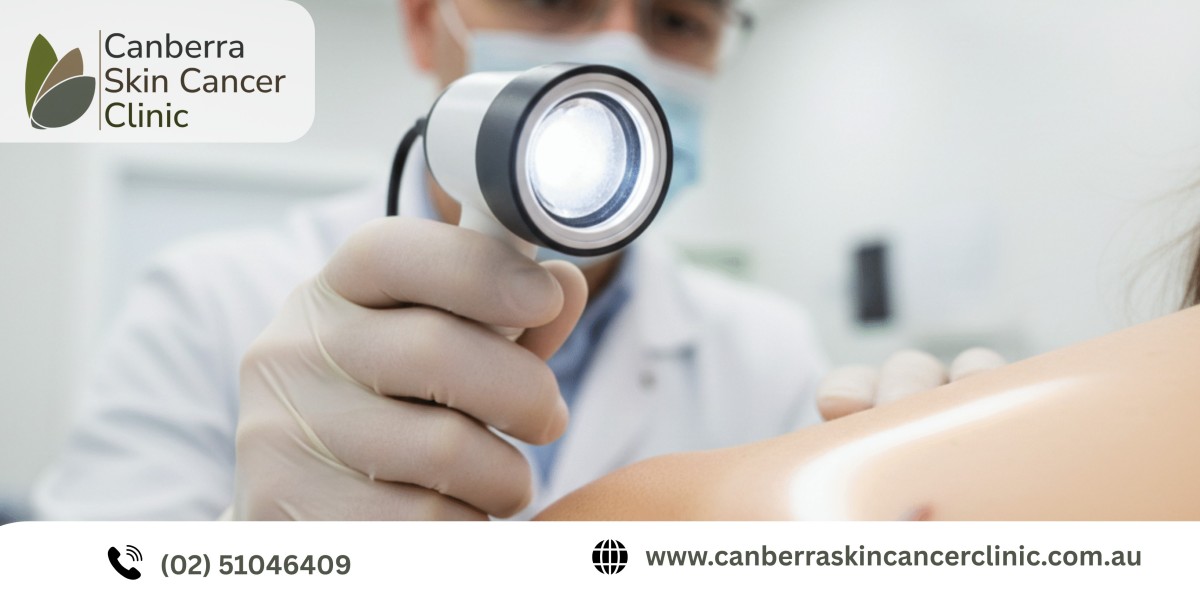
The first step usually involves a detailed examination of the skin. A healthcare professional may examine the suspicious area and surrounding skin and ask about any changes you have noticed.
If a lesion appears concerning, further testing may be recommended. A biopsy may be performed to examine cells from the lesion under a microscope. The results can help confirm whether melanoma is present and provide information that supports treatment planning.
The healthcare professional may also consider the size, location and characteristics of the melanoma when determining the next steps.
Understanding Melanoma Cancer Treatment
The appropriate melanoma cancer treatment depends on several factors, including the stage of the melanoma, its location and whether it has spread beyond the original site.
Surgery
Surgery is commonly used when melanoma is confined to the skin. The healthcare team may remove the melanoma along with a margin of surrounding tissue to help ensure that the cancerous cells are completely removed.
For some patients, additional procedures may be recommended depending on the characteristics and stage of the melanoma.
Immunotherapy
Immunotherapy uses medicines that help the body's immune system recognise and respond to cancer cells. Doctors may consider immunotherapy for certain melanomas, particularly when the disease has a higher risk of spreading or has already spread to other parts of the body.
Targeted Therapy
Some melanomas contain specific genetic changes. Targeted medicines can act on certain changes within cancer cells. Doctors may recommend this approach for suitable patients after appropriate testing.
Radiation Therapy
Radiation therapy uses controlled doses of radiation to target cancer cells. It may be considered in specific situations depending on the location and stage of the melanoma and the patient's overall treatment plan.
What Happens After Treatment?
Follow-up care remains important after melanoma treatment. Your healthcare team may recommend regular skin examinations and monitoring based on your individual circumstances.
You should also become familiar with your skin and report any new or changing spots to a healthcare professional. Protecting your skin from excessive ultraviolet exposure is another important part of ongoing skin health.
Simple habits such as using appropriate sun protection, wearing protective clothing and seeking shade can help reduce further UV exposure.
When Should You See a Healthcare Professional?
Do not ignore a mole or skin lesion that looks different from your other spots or changes over time. You should arrange a professional assessment if you notice a new mark, a changing mole, unexplained bleeding or another unusual skin change.
A healthcare professional can determine whether you need further investigation and explain the next appropriate steps.
Frequently Asked Questions
1. Can melanoma be treated successfully?
Melanoma treatment depends on factors such as the stage, location and characteristics of the cancer. When melanoma is identified early, treatment options may be different from those used for more advanced disease.
2. How often should I have a melanoma check?
There is no single schedule that suits everyone. Your healthcare professional can recommend an appropriate frequency based on your personal risk factors, skin history and previous findings.
3. Can a changing mole always mean melanoma?
No. Many skin changes are not melanoma. However, a mole that changes in size, shape, colour or appearance should be assessed by a qualified healthcare professional.
4. Is melanoma only caused by sun exposure?
Ultraviolet radiation is an important risk factor, but melanoma can occur for different reasons. Individual risk can also depend on factors such as family history, skin characteristics and previous skin exposure.
5. Should I check my skin at home?
Yes. Regularly becoming familiar with your skin can help you notice new or changing spots. However, home checks should not replace professional skin examinations when you have concerns or an increased risk of skin cancer.
Conclusion
Understanding melanoma and recognising unusual skin changes can encourage people to seek professional advice at the right time. A timely melanoma check can help assess suspicious spots and determine whether further investigation is needed. Treatment varies according to each person's condition, so patients should discuss their diagnosis and options with an appropriate healthcare professional. Canberra Skin Cancer Clinic provides skin cancer screening, assessment and treatment services for patients across Canberra and can help patients understand their skin health and available care options.






