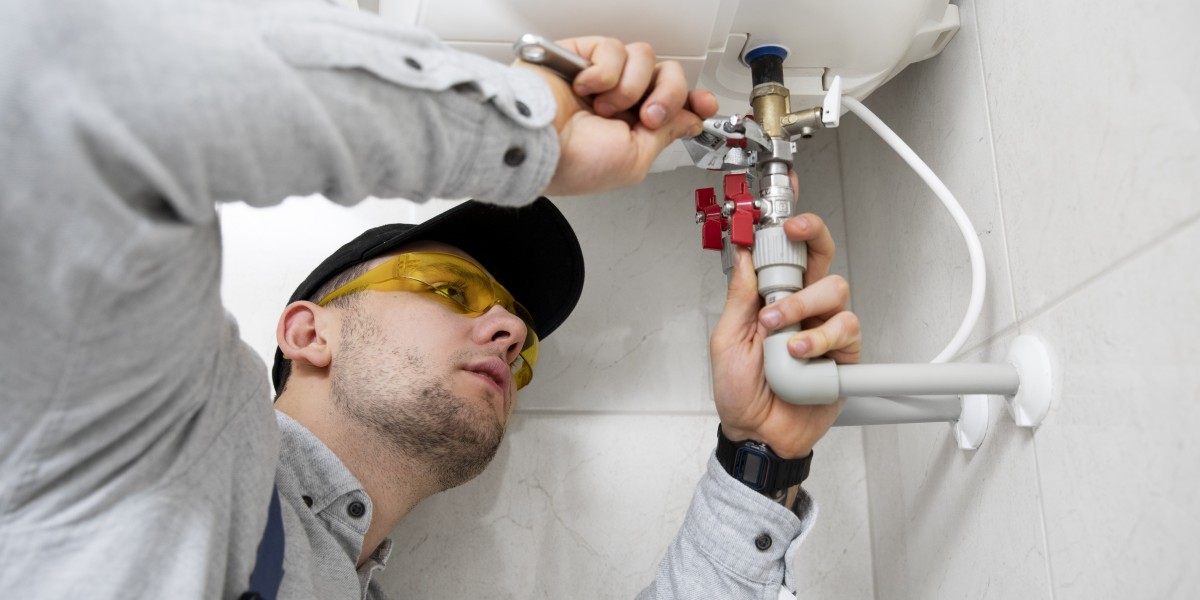


A small plumbing leak may seem like a minor household issue, especially when the water is only dripping slowly. However, even a seemingly insignificant leak can gradually cause serious damage to walls, floors, ceilings, insulation, and other parts of a property. For homeowners and businesses in Dallas, addressing leaks early can help prevent costly repairs and more extensive water-related problems.
When moisture remains hidden or continues to spread, what starts as a simple plumbing repair can develop into a much larger restoration project. Knowing the warning signs and taking prompt action can make a significant difference.
Why Small Plumbing Leaks Should Not Be Ignored
Water can travel through building materials much farther than expected. A leaking pipe behind a wall, under a sink, or beneath flooring may continue releasing moisture even when the visible amount of water appears small.
Over time, constant moisture can weaken drywall, damage flooring, affect insulation, and create damp conditions inside concealed areas. In some situations, the leak may remain unnoticed until stains, odors, bubbling paint, or warped materials become visible.
This is why homeowners should not judge the severity of a leak simply by the amount of water they can see.
Hidden Water Can Cause Extensive Property Damage
One of the biggest concerns with plumbing leaks is that water may enter areas that are difficult to inspect. For example, a leaking pipe inside a wall can allow moisture to spread into drywall and insulation. A slow leak underneath a sink or appliance can gradually affect cabinets and flooring.
In Dallas homes, changing weather conditions can also make moisture-related issues more challenging to manage. Once water enters porous building materials, simply wiping up the visible moisture may not be enough.
A professional in Dallas water damage service can help identify affected areas and determine what needs to be dried, repaired, or restored.
Signs That a Plumbing Leak May Be Causing Water Damage
Homeowners should pay attention to several warning signs that may indicate a plumbing leak has progressed beyond a simple repair.
Common signs include:
Water stains on ceilings or walls
Bubbling or peeling paint
Warped or buckled flooring
Musty or unusual odors
Damp drywall or baseboards
Discoloration around plumbing fixtures
Unexpected increases in water usage
Soft or weakened sections of flooring
Visible mold or persistent moisture
Finding one or more of these signs means the source should be investigated as soon as possible.
How Delayed Repairs Can Make the Problem Worse
Ignoring a slow leak allows moisture to remain in the property for longer. As the water spreads, more materials may become affected. Drywall can deteriorate, wood components can become damaged, and flooring may require replacement rather than simple drying.
Another concern is the potential for microbial growth in damp environments. Moisture that remains trapped behind walls, beneath flooring, or inside other enclosed spaces can create conditions where mold and other microorganisms may develop.
For this reason, acting quickly after discovering a leak can help limit the overall scope of the damage.
When Should You Call a Professional?
A plumber should generally address the source of the leak, but professional water damage specialists may also be needed when the leak has affected building materials.
For example, if a burst or leaking pipe has saturated drywall, flooring, insulation, or other structural materials, drying and restoration may require specialized equipment and assessment.
A professional in Dallas water damage service can help evaluate the affected area, remove standing water when necessary, dry moisture-affected materials, and determine whether damaged materials require repair or replacement.
What to Do After Discovering a Leak
If you notice a plumbing leak, the first step is to stop the source if it is safe to do so. Shut off the appropriate water supply and address the plumbing problem promptly.
Next, remove items from the affected area when possible and avoid unnecessary contact with contaminated or standing water. Document visible damage with photographs, particularly if an insurance claim may be necessary.
If water has spread beyond the immediate plumbing area, professional inspection can help determine whether moisture has reached hidden spaces.
For homeowners looking in Dallas water damage service, choosing a company that understands local property conditions and provides a thorough assessment can be important.
Preventing Small Leaks From Becoming Big Problems
Regular maintenance can help identify plumbing problems before they cause extensive damage. Check under sinks, around toilets, near water heaters, and around appliances that use water.
It is also useful to watch for changes in water pressure, unexplained increases in water bills, damp spots, and unusual odors. Addressing these signs early can reduce the likelihood of prolonged moisture exposure.
Homeowners should also know where the main water shutoff is located. In an emergency, quickly stopping the water supply can help reduce the amount of water entering the property.
Professional Help for Water Damage in Dallas
A plumbing leak does not always result in major damage, but delaying action can increase the risk. Early detection, quick source control, and appropriate drying can help protect your property from more extensive problems.
Dallas Water Restoration provides water damage restoration support for properties affected by leaks and other water-related incidents. If a plumbing problem has resulted in visible or hidden water damage, getting the affected area assessed promptly can help determine the appropriate next steps.
When dealing with water damage in Dallas, taking action early can make the restoration process more manageable and help protect your home or business from unnecessary damage.






