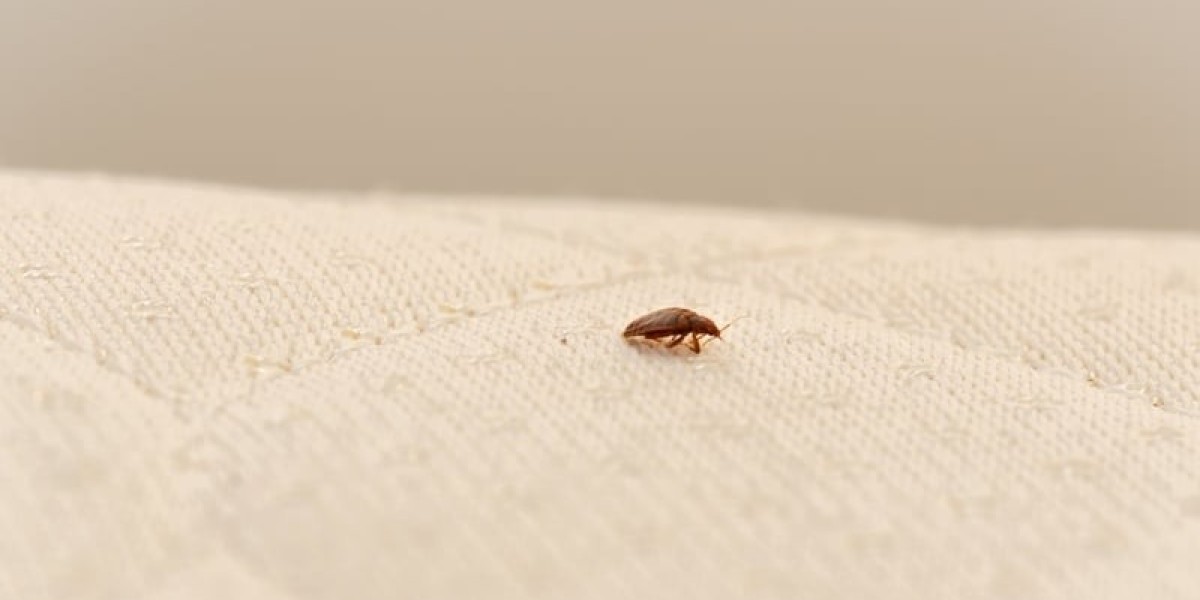


Bed bugs can become a frustrating household problem because they are small, difficult to locate, and capable of hiding in mattresses, furniture, cracks, baseboards, and other protected areas. When homeowners discover signs of an infestation, they often want an effective solution that also considers the safety of people, pets, and the indoor environment. This is where Eco-Friendly Bed Bug Treatment in Orange Park FL can become an important consideration.
But what does eco-friendly bed bug treatment actually mean? Does it eliminate the need for pesticides? Which treatment methods are available? How can homeowners prepare for professional service? Understanding these questions can help property owners choose a practical approach rather than relying on ineffective home remedies or repeated applications of unsuitable products.
What Does Eco-Friendly Bed Bug Treatment Really Mean?
Eco-friendly bed bug treatment generally refers to approaches that emphasize responsible pest management, reduced unnecessary chemical exposure, physical control methods, and targeted treatment rather than excessive pesticide application.
It does not necessarily mean that every treatment is completely chemical-free. Bed bug control can require several methods depending on the size and location of the infestation. Florida pest-control guidance recognizes multiple management options, including inspection, vacuuming, monitoring, heat treatment, mattress encasements, insecticidal powders, and appropriately used pesticides.
The objective is to use the appropriate method for the specific infestation while avoiding unnecessary treatments. An integrated approach can combine physical removal, heat, monitoring, sanitation, and targeted products when appropriate.
For homeowners in Orange Park, this approach can be especially useful when they want to address bed bugs while making informed decisions about treatment methods.
Why Are Bed Bugs So Difficult to Eliminate?
Bed bugs are challenging because they can hide in very small spaces. They may be found around mattress seams, bed frames, furniture joints, baseboards, cracks, and other protected locations.
They also do not necessarily remain in one obvious location. Depending on the circumstances, they can move between rooms and hide in areas that are difficult for homeowners to inspect.
Another challenge is that eggs can survive treatment methods that do not reach or affect them. This is one reason follow-up inspections and treatments can be important. Florida guidance notes that repeated visits are often necessary because eggs may hatch after an initial treatment.
Simply treating the area where a bed bug was seen may therefore not address the entire infestation.
What Are the Signs of a Bed Bug Infestation?
Identifying the problem correctly is the first step toward effective treatment. Bed bugs can be confused with other insects, so homeowners should avoid assuming that every unexplained bite indicates bed bugs.
Possible signs include small insects around sleeping areas, dark spotting on bedding or furniture, shed skins, eggs or eggshells, and live bugs hiding around mattress seams or furniture joints.
Some people may also notice unexplained bites, although bites alone are not enough to confirm a bed bug infestation.
A professional inspection can help determine whether bed bugs are actually present and where they may be hiding.
Why Is Professional Inspection Important?
A professional inspection can help establish the extent of the problem before treatment begins.
Rather than immediately applying a product throughout the home, an inspection can focus attention on likely hiding areas and determine which rooms or items may need attention.
This is particularly important because treating only the most visible area may leave hidden insects behind.
Florida's Department of Agriculture and Consumer Services recommends hiring a licensed pest-control company for bed bug infestations.
For Orange Park homeowners, choosing a qualified professional can help ensure that treatment decisions are based on inspection rather than guesswork.
Can Heat Treatment Be Considered an Eco-Friendly Option?
Heat is one of the most important non-chemical approaches to bed bug management. Properly applied heat can kill bed bugs at different stages of their development when appropriate temperatures are reached and maintained.
Florida guidance identifies heat as one of the best treatment options and states that temperatures of 125°F or above can kill all stages of bed bugs. Professional whole-home heat treatment is different from simply turning up a household thermostat.
Heat treatment can be attractive to homeowners who want to reduce reliance on chemical applications. However, successful heat treatment requires proper equipment, monitoring, preparation, and professional knowledge.
Homeowners should not attempt dangerous heating methods such as using space heaters or other improvised equipment to raise the temperature inside a home. The EPA specifically warns against these approaches because they may not work and can create serious hazards.
How Can Steam Help With Bed Bug Control?
Steam can be another useful physical treatment method when applied correctly.
Bed bugs may hide in mattress seams, furniture joints, cracks, carpets, and other areas where direct treatment can be difficult. Proper steam application can help treat certain surfaces without relying exclusively on liquid pesticides.
The University of Florida recommends steam cleaning as part of bed bug management and emphasizes using appropriate pressure so insects are not simply scattered from the treated area.
Steam is not necessarily a complete solution for every infestation. It should be used strategically and combined with inspection, monitoring, cleaning, and other appropriate control measures.
Can Vacuuming Help With Bed Bugs?
Vacuuming can help physically remove visible bed bugs, shed skins, and other debris from affected areas.
It can be particularly useful during preparation for professional treatment. Homeowners may vacuum mattresses, furniture, carpets, floor edges, and other areas where bed bugs may be present.
However, vacuuming alone should not be considered a complete solution. Some insects and eggs may remain hidden in locations that a vacuum cannot reach.
Florida guidance describes vacuuming as a useful control measure but also recommends professional treatment for established infestations.
Should Homeowners Use Mattress Encasements?
Mattress and box-spring encasements can be useful components of an integrated bed bug management plan.
A properly designed bed bug encasement can prevent insects from entering or leaving the enclosed mattress or box spring. Existing insects trapped inside can eventually die, provided the encasement remains properly sealed.
Encasements can also make future inspections easier because there are fewer seams and folds where insects can hide.
They should not, however, be viewed as the only treatment method when an infestation is already established throughout a room or home.
Are Natural Bed Bug Remedies Always Effective?
Many homeowners search for natural or homemade remedies when they first discover bed bugs. The appeal is understandable, particularly for families concerned about chemical exposure.
However, natural does not automatically mean effective or safe.
The University of Florida specifically warns that homemade treatments and herbal remedies are ineffective for bed bug control.
The EPA also warns against dangerous substances such as rubbing alcohol, kerosene, and gasoline. These substances can create serious fire and health hazards.
A responsible treatment strategy should therefore focus on proven methods rather than assuming that anything labeled natural will eliminate an infestation.
Is Diatomaceous Earth Safe for Bed Bug Treatment?
Diatomaceous earth is sometimes discussed as a lower-chemical or naturally derived option for insect control. Certain insecticidal dusts can work by damaging the insect's outer protective layer and causing dehydration.
However, homeowners should be careful about which product they use.
The EPA recommends using only desiccant products that are registered for pesticide use and labeled for bed bugs. It specifically warns that food-grade or pool-grade diatomaceous earth can create inhalation risks.
This illustrates an important point about eco-friendly pest management: responsible treatment depends not only on the source of a product but also on how it is formulated, labeled, applied, and handled.
How Should Orange Park Homeowners Prepare for Treatment?
Proper preparation can make professional bed bug treatment more effective.
Depending on the treatment plan, homeowners may need to launder bedding and clothing, reduce clutter, vacuum affected areas, move certain objects away from walls, and follow specific instructions provided by the pest-control professional.
The University of Florida recommends washing and drying bedding and clothing at high temperatures, vacuuming floors and furniture, reducing clutter, and contacting a pest professional.
Preparation instructions can vary depending on whether the treatment involves heat, steam, targeted products, or a combination of methods.
Homeowners should follow the provider's specific preparation instructions rather than moving potentially infested belongings from one room to another.
Why Should You Avoid Moving Infested Furniture?
It can be tempting to move a mattress, chair, or other furniture item into another room after discovering bed bugs.
Unfortunately, moving infested belongings can potentially spread the problem.
Instead of immediately discarding or relocating furniture, homeowners should ask a professional whether the item can be treated.
The University of Florida notes that throwing away infested items does not guarantee control and can place unnecessary financial burdens on homeowners. Disposal can also contribute to spreading bed bugs to other areas.
Treatment and containment may be better options depending on the condition of the item.
How Many Treatments Are Usually Needed?
There is no universal treatment schedule for every infestation.
The size of the infestation, number of affected rooms, hiding locations, treatment method, building structure, and homeowner preparation can all influence the process.
Bed bug eggs are an important consideration because some treatment approaches may not eliminate every egg during the first visit. Florida guidance recommends follow-up inspections and notes that repeated treatments can be critical.
Homeowners should therefore be cautious about promises that one simple application will always eliminate every bed bug.
A professional monitoring and follow-up plan can provide a more realistic approach.
Can Eco-Friendly Treatment Work in Apartments and Rental Properties?
Bed bugs can create additional challenges in apartments, rental properties, and other multi-unit buildings because insects may potentially move between connected areas.
When bed bugs are discovered in one unit, property owners and managers may need to consider nearby areas depending on the building structure and infestation circumstances.
Florida guidance notes that bed bugs can move through wall baseboards, outlets, and ceiling openings, which is one reason adjoining spaces may need evaluation.
For landlords and property managers in Orange Park, early reporting, professional inspection, resident cooperation, and proper monitoring can be important parts of an effective management strategy.
What Should You Look for in an Eco-Friendly Bed Bug Service?
When comparing pest-control providers, homeowners should ask specific questions instead of relying only on marketing terms such as "green," "natural," or "eco-friendly."
Useful questions include:
· What treatment methods do you use?
· Is heat treatment available?
· Do you use steam or other physical control methods?
· How do you inspect for bed bugs?
· What products are used if pesticides are necessary?
· Are the products registered and labeled for bed bug control?
· What preparation is required?
· Will follow-up inspections be provided?
· How will adjoining rooms be evaluated?
· What should residents do after treatment?
These questions can help homeowners understand the actual treatment strategy rather than choosing a company based only on a label.
What Should Homeowners Avoid During Bed Bug Treatment?
Homeowners should avoid repeatedly applying random products without understanding how they work.
Bug bombs and foggers are particularly problematic. Florida's Department of Agriculture and Consumer Services states that foggers and bug bombs are ineffective for bed bug control and can be dangerous to residents and pets.
Homeowners should also avoid using flammable substances or unregistered products.
The goal should be controlled, targeted treatment based on the biology of bed bugs and the condition of the property. For homeowners looking for Eco-Friendly Bed Bug Treatment in Orange Park FL, the focus should remain on appropriate treatment methods that address the infestation while considering the safety of people, pets, and the surrounding environment.
How Can Eco-Friendly Bed Bug Management Support Long-Term Prevention?
After an infestation is treated, prevention and monitoring remain important.
Homeowners can regularly inspect mattress seams, bed frames, furniture, and other potential hiding areas. Used furniture should be carefully inspected before being brought into the home.
Travelers can also inspect luggage and clothing after returning from trips, particularly when staying in unfamiliar accommodations.
Keeping clutter under control can make inspections easier. Promptly investigating suspicious signs can also help identify potential problems earlier.
Prevention does not guarantee that bed bugs will never enter a home, but good monitoring can make it easier to recognize problems before they become extensive.
Frequently Asked Questions
Is Eco-Friendly Bed Bug Treatment in Orange Park FL completely chemical-free?
Not necessarily. Eco-friendly treatment can emphasize non-chemical methods such as heat, steam, vacuuming, encasements, and monitoring while using registered products only when appropriate. The treatment plan should depend on the infestation and property.
What is one of the most effective non-chemical bed bug treatments?
Professional heat treatment is an important non-chemical option. Proper temperatures can kill bed bugs at different life stages, but treatment must be performed correctly to reach affected areas.
Can steam kill bed bugs?
Yes, appropriately applied steam can kill bed bugs on treated surfaces. However, steam alone may not reach every hiding location, so it is often used as part of a broader management strategy.
Should I throw away my mattress if I find bed bugs?
Not automatically. Discarding furniture does not guarantee that the infestation will be eliminated and may create unnecessary expense. Professional treatment or an appropriate encasement may be alternatives depending on the situation.
Are bed bug foggers a good eco-friendly solution?
No. Florida guidance states that foggers or bug bombs are ineffective for bed bug control and can pose dangers to residents and pets.
How quickly can bed bugs be eliminated?
The timeline varies depending on infestation size, treatment method, property conditions, preparation, and follow-up requirements. Bed bug control can require repeated inspections or treatments because eggs may survive an initial treatment.
Final Thoughts
So, how can Eco-Friendly Bed Bug Treatment in Orange Park FL help homeowners manage an infestation responsibly? The answer lies in using a thoughtful combination of inspection, physical control, heat or steam where appropriate, vacuuming, encasements, monitoring, and carefully selected treatment products when necessary.
The most important step is accurate identification and professional evaluation. Bed bugs can hide in places that are difficult to reach, and treating only visible insects may not resolve the entire problem.
Homeowners should also avoid dangerous home remedies, excessive pesticide applications, and ineffective foggers. A properly planned integrated approach can focus treatment where it is needed while reducing unnecessary exposure.
Article Written By: Rank Business Listings






