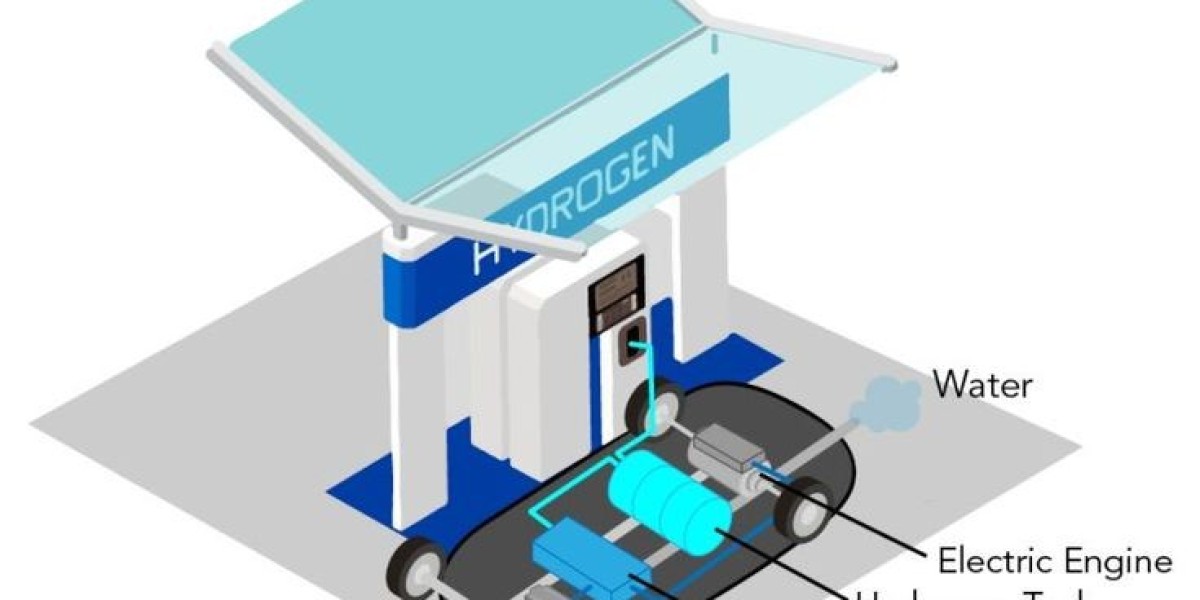


The stationary fuel cell systems market is evolving as industries, commercial facilities, utilities, and communities seek dependable electricity with greater efficiency and lower environmental impact. Unlike conventional generators that rely on combustion, fuel cells generate electricity through an electrochemical process, allowing them to operate with fewer local emissions and strong energy efficiency. Their ability to deliver continuous power also makes them attractive for applications where reliability is essential.
The market is being influenced by changing energy priorities, growing interest in distributed generation, improvements in fuel cell technology, and the gradual development of hydrogen infrastructure. At the same time, system costs, fuel availability, maintenance requirements, and technology selection continue to shape adoption. These factors create a dynamic environment in which manufacturers and energy users must balance performance, economics, sustainability, and operational flexibility.
Growing Demand for Reliable Power
One of the most important dynamics affecting stationary fuel cell systems is the increasing need for reliable electricity. Data centers, healthcare facilities, telecommunications infrastructure, manufacturing plants, and other critical operations cannot easily tolerate prolonged power interruptions. Fuel cell systems can serve as primary, backup, or supplemental power sources depending on the application.
The expansion of digital infrastructure is adding another layer of demand. Data-intensive facilities require dependable electricity around the clock, encouraging operators to explore alternatives to conventional backup generators. Fuel cells can provide extended-duration power when an appropriate fuel supply is available, supporting resilience while helping organizations pursue environmental objectives.
This reliability advantage is also relevant to remote communities and facilities located in areas where grid connections are limited or vulnerable. Modular stationary systems can support localized energy generation and reduce dependence on long transmission networks.
Shift Toward Distributed Energy Generation
The movement toward decentralized power generation is another major force shaping the stationary fuel cell systems market. Traditional electricity networks often depend on large centralized plants and extensive transmission infrastructure. Distributed generation allows power to be produced closer to where it is consumed, potentially improving resilience and reducing transmission-related losses.
Fuel cell systems are well suited to this model because they can be deployed across different scales. Smaller systems can support buildings and localized facilities, while larger installations can provide substantial power for industrial sites, utilities, and commercial operations.
This shift is particularly important as electricity demand becomes more variable. Businesses increasingly require flexible energy solutions that can complement grid electricity, renewable generation, and energy storage technologies.
Technology Diversity Influences Market Dynamics
The stationary fuel cell sector includes several technologies, each with different operating characteristics. Proton exchange membrane fuel cells can provide rapid response and are attractive for applications requiring flexibility. Solid oxide fuel cells are suited to continuous power generation and can support combined heat and power configurations. Phosphoric acid and molten carbonate technologies also have established roles in stationary applications.
Technology selection depends on factors such as power requirements, operating temperature, fuel type, response time, efficiency, space availability, and maintenance expectations. As a result, there is no single technology that meets every stationary energy requirement.
Manufacturers are therefore focusing on improving durability, simplifying system architecture, increasing power density, and reducing component costs. Advances in stack materials, thermal management, control systems, and power electronics can improve overall system performance and expand potential applications.
Hydrogen Availability and Fuel Flexibility
Fuel supply is a central dynamic in the market. Hydrogen-powered systems can offer a pathway toward cleaner electricity generation, particularly when hydrogen is produced using low-carbon energy. However, hydrogen production, transportation, storage, and distribution infrastructure remains an important consideration for many potential users.
Some stationary systems can operate using fuels that are processed internally to produce hydrogen-rich gas. This can provide greater fuel flexibility but may introduce additional equipment and operational complexity. Over time, increasing availability of cleaner hydrogen could strengthen the role of fuel cells in low-emission power systems.
The relationship between hydrogen infrastructure and fuel cell deployment is therefore becoming increasingly important. Broader hydrogen development can support fuel cell adoption, while greater fuel cell deployment can create additional demand for reliable hydrogen supplies.
Integration With Renewable Energy
Renewable energy integration is creating new opportunities for stationary fuel cell systems. Solar and wind generation can fluctuate according to weather and time of day, creating a need for complementary technologies that can support electricity availability when renewable output declines.
Hydrogen-based fuel cell systems can potentially work alongside renewable generation and electrolysis equipment. Renewable electricity can be used to produce hydrogen, which can later be converted back into electricity through a fuel cell when required.
This model can provide long-duration energy storage capabilities while supporting microgrids and resilient power networks. The stationary fuel cell systems market may consequently benefit from increasing interest in integrated energy platforms rather than standalone generation technologies.
Cost and Durability Remain Critical Challenges
Despite their advantages, stationary fuel cell systems face economic and operational challenges. High initial equipment costs can make adoption difficult when conventional generators or grid electricity appear less expensive. Stack replacement, balance-of-plant components, fuel costs, and maintenance can also influence the total cost of ownership.
Durability is equally important. Commercial and industrial users expect energy systems to operate reliably for long periods with minimal interruptions. Manufacturers must therefore extend stack lifetimes while maintaining performance under changing loads and operating conditions.
Scaling production can help reduce costs, while improvements in manufacturing techniques and component design may enhance reliability. Greater standardization could also simplify installation, servicing, and system integration.
Future Outlook
The future dynamics of the stationary fuel cell systems market will be shaped by the interaction of energy security, hydrogen development, renewable integration, technological innovation, and cost reduction. Applications requiring continuous and dependable electricity are likely to remain particularly important.
The market is also moving toward smarter energy management. Digital monitoring, remote diagnostics, predictive maintenance, and intelligent controls can help operators improve system availability and optimize fuel consumption. Integration with batteries, renewable generation, microgrids, and advanced power-management platforms may further broaden the role of fuel cells.
As organizations increasingly evaluate energy systems based on resilience as well as environmental performance, stationary fuel cells can become an important component of diversified power strategies. Continued improvements in technology, infrastructure, and economics will determine how quickly these systems move from specialized applications into broader energy markets.
Conclusion
The stationary fuel cell systems market is experiencing changing dynamics driven by the demand for reliable electricity, distributed generation, renewable integration, hydrogen development, and improved energy efficiency. Technology diversity allows fuel cells to serve residential, commercial, industrial, utility, and critical infrastructure applications.
Although high costs, fuel infrastructure, and durability remain challenges, ongoing innovation is strengthening the technology's competitive position. The combination of cleaner fuels, smarter controls, modular designs, and integrated energy systems could create new opportunities for stationary fuel cells. As power users place greater emphasis on resilience and sustainability, the market is positioned to play an increasingly important role in the evolving energy landscape.






