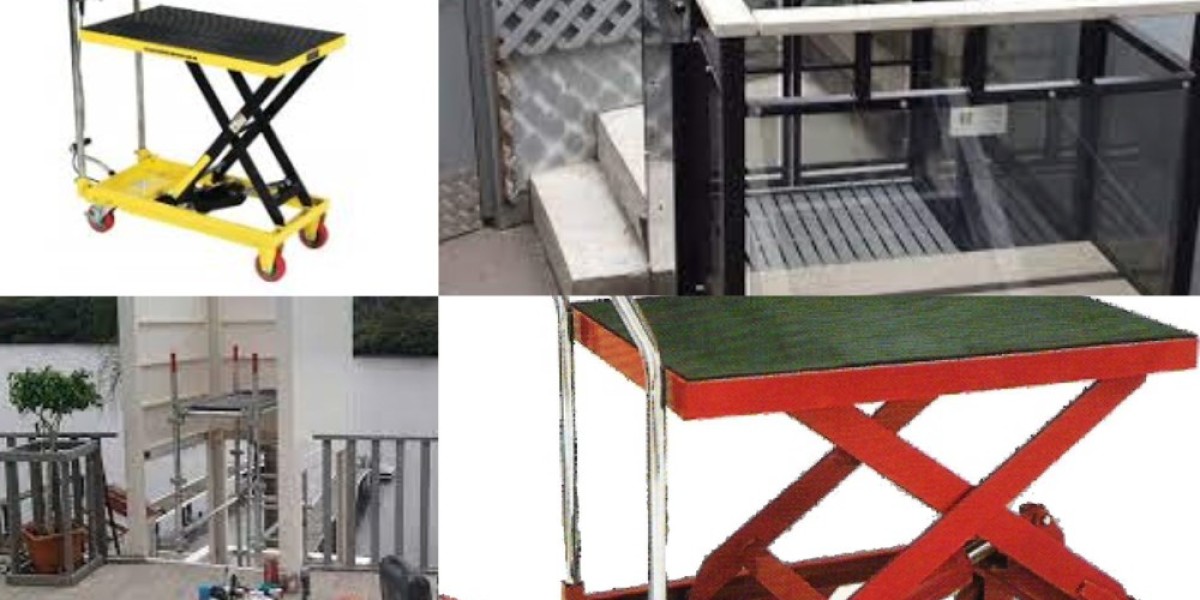


A bad week is waiting for you at your office or warehouse on Monday because of one reason: you see an out-of-service sign on the ground floor while looking to move upwards towards your office on the 15th floor. A non-functional hydraulic lift cart can bring a similar situation in front of you at your warehouse. 90% of sudden breakdowns of elevators and lifts are not random acts of god. They are direct results of missed early warnings, ignoring timely maintenance and prompt repair. Running a commercial hydraulic lift isn't like owning a utility Ute, where you can defer a service until a weekend and still enjoy good-quality performance. NSW workplace safety regulations treat vertical transport as high-risk plant equipment and this means that "She Will Be Right" attitude will not work and if imposed, can end up in hefty fines from SafeWork NSW or catastrophic seal failures during summer heat waves.
The 15-Point Maintenance Checklist
Confirm The Lift's Registration
Machines such as lifts, escalators and moving walkways are plant items, and they require registration in NSW. They are subject to the applicable requirements and exemptions, and the person in charge should know its registration status rather than assuming the installer or previous owner handled everything.
Check The Service Agreement
An elevator service agreement is a very crucial data and it should spell out what is actually included. This data should include records of scheduled visits, breakdown attendance, exclusions, parts, and after-hours arrangements. It should also have details of who pays when a component needs replacement. A cheap agreement with vague exclusions can become expensive pretty quickly.
Review SLA Response Times
"24/7 service" sounds good on paper, but what matters is what the agreement actually promises for a trapped passenger. Remember a complete shutdown or a non-critical fault. Losing a lift for half a day may be irritating for a small Sydney business, and similarly, for a medical, retail or multi-level commercial site, it can disrupt the whole operation.
Inspect Doors And Interlocks
Lift doors take plenty of punishment, and trolleys, delivery staff, impatient passengers and poorly positioned loads all contribute to wear. Door operation, locks, interlocks, sensors and reopening functions deserve proper inspection by a lift maintenance company rather than a quick glance while the lift travels between floors.
Check Hydraulic Components
With a commercial hydraulic lift, the hydraulic power unit, oil condition, hoses, seals and cylinder-related components need more attention than usual. Small leakages or changes in operating behaviour should not be brushed aside simply because the lift still reaches the required floor. Hydraulic equipment can tolerate plenty of work, but "Still Working" is not the same as "Operating As It Should".
Look At Levelling Accuracy
A few millimetres at the landing might seem trivial until someone catches a trolley wheel or trips while entering. Leveling should be carefully checked across normal operating conditions, and this becomes non-negotiable when a lift is used to carry heavy or variable loads.
Test Emergency Communication
Every lift must have a working emergency communication system capable of allowing assistance when passengers are trapped. SafeWork NSW specifically highlights this requirement, including the risks associated with changes to telecommunications networks. This is one of those checks that can look fine until the day it is actually needed.
Inspect The Pit And Shaft
Water ingress, debris, corrosion, damaged components and poor access can create problems well beyond routine servicing. The person managing the lift also needs to ensure safe access and suitable controls for workers entering the lift well. NSW's current WHS regulation specifically addresses barriers, working platforms and safe entry and exit at the base of lift wells.
Check Load Signage And Actual Usage
The safe working load should be clearly displayed, and even more important is asking whether the lift is being used for what it was designed to carry. A lift specified for passenger traffic should not quietly become a freight route every afternoon because someone discovered it was convenient.
Review Maintenance Records
NSW guidance requires records of inspection and maintenance to be kept updated all the time. It's important to not leave those records buried inside an email chain. Service reports, defects, repairs, testing information and outstanding recommendations should be stored in one bundle so the building manager can see the equipment's history.
Check Compliance Documentation
Older documents may still refer to the BCA, while current building work sits under the National Construction Code. Lift installations are also associated with the AS-1735 series, which SafeWork NSW identifies in its lift guidance. The practical point is simple that you should not rely on a generic "compliant" statement and rather ask which requirement, standard or approval the statement relates to.
Review Accessibility
Accessibility is not something to inspect only when a complaint arrives. Elements like door timing, controls, landing interfaces, communication systems and lift-car arrangements can affect how reliably people with disabilities can use the building. For projects involving accessibility obligations, the design and maintenance position should be checked against the applicable building and discrimination requirements rather than relying on the phrase "DDA compliant" as a catch-all.
Audit Safety Controls
A proper lift safety audit should look beyond obvious mechanical defects. The team from the lift maintenance company should consider uncontrolled movement, door hazards, emergency procedures, access to machinery and the risks technicians face while working on the equipment. SafeWork NSW specifically identifies uncontrolled movement, malfunctioning doors, mechanical failure and unsafe maintenance conditions among lift-related risks.
Watch The Building Around The Lift
Not every lift problem starts inside the lift and water entering a pit, building movement, damaged finishes around landing doors, heat exposure or changes to surrounding services can affect the installation. This becomes particularly relevant in older Sydney buildings and sites that have undergone repeated refurbishments.
Review The Maintenance Strategy Annually
Preventative lift maintenance should evolve as the building changes. New tenants, heavier deliveries, longer operating hours, equipment upgrades and repeated breakdowns can all indicate that the original maintenance arrangement no longer matches actual use. The NSW WHS Regulation 2025 requires control measures to remain effective and fit for purpose, with review where necessary.
Where Maintenance Budgets Usually Go Wrong?
The cheapest service contract is not necessarily the cheapest and the most effective maintenance strategy. A business might save a few hundred dollars on its annual agreement. But it can also lose considerably more through emergency attendance, unavailable parts, extended downtime or repeat faults that should have been identified earlier. That is why the better comparison is the whole-of-life cost, not the monthly service figure.
A Useful Review Should Consider:
● Planned service frequency and scope
● Breakdown response commitments
● Parts availability
● Age and condition of major components
● Lift usage and loading patterns
● Previous breakdown history
● Compliance documentation
● Planned modernisation
● Expected downtime during repairs
SafeWork NSW places responsibility on people who manage and control workplace plans to manage associated risks, and current NSW requirements continue that focus through the WHS Regulation 2025.
What Should An NSW Business Keep On File?
For a practical compliance and maintenance trail, keep the following together:
● Plant registration information
● Manufacturer and installation documentation
● Current service agreement
● Routine inspection reports
● Breakdown and repair records
● Outstanding defect reports
● Testing and safety documentation
● Modernisation or alteration records
● Relevant compliance documentation
● Emergency communication information
This makes life easier when a building changes managers, when an insurer asks questions, or when a fault develops months after previous work. It also gives a lift maintenance company something useful to work from. Without service history, a technician may spend valuable time establishing what has already been replaced, adjusted or reported.
FAQs
How Often Should Commercial Lifts Be Maintained In NSW?
There is no sensible one-frequency-fits-all answer because usage, equipment, manufacturer requirements and site conditions differ. A commercial hydraulic lift carrying goods every day may need a different maintenance approach from a lightly used passenger installation.
Is AS-1735 A Commercial Lift Maintenance Checklist?
AS-1735 is a broad Australian lift, escalator and moving-walkway standards series, not a simple tick-and-flick hydraulic lift cart maintenance sheet. SafeWork NSW references AS-1735 within its lift guidance, but the maintenance program still needs to reflect the actual equipment and manufacturer requirements.
What Should An Elevator Service Agreement Include?
An elevator service agreement should make breakdown response, scheduled servicing, exclusions, parts, emergency attendance and reporting reasonably clear. A lift maintenance company should also explain what happens when technicians identify defects that require additional repair work.
Does A Commercial Lift Need A Safety Audit?
A lift safety audit can be useful where there are recurring faults, major changes, ageing equipment or uncertainty about existing controls. It should complement routine servicing rather than replace the regular inspection and maintenance arrangements required for workplace lifts.
Does DDA Compliance Mean The Lift Is Properly Maintained?
No, accessibility compliance and mechanical maintenance are related, but different responsibilities. A lift may provide accessible features while still requiring proper preventative lift maintenance, inspections, repairs and safety controls to remain reliable in daily operation.
What Happens When A Lift Breaks Down At Work?
The lift should be taken out of service if a fault creates a safety risk, and the appropriate service provider should be contacted. SafeWork NSW advises that a malfunctioning lift should remain out of service until repaired, which is not the time to YOLO it and hope the fault disappears.
Who Is Responsible For Commercial Lift Maintenance?
The person with management or control of the lift has important WHS responsibilities, even where maintenance is outsourced. Hiring a lift maintenance company does not mean the business can stop checking whether the equipment is being appropriately maintained and managed.
Should Maintenance Records Be Kept After Every Service?
Yes, inspection and maintenance records should be retained as part of the lift's operating history. These records can reveal recurring leaks, levelling issues, door wear or other patterns related to the hydraulic lift cart before they become a larger operational headache.
The Practical Takeaway
Commercial lift maintenance in NSW is easiest to manage when it is treated as an ongoing asset responsibility rather than a technician arriving only after something stops working. Keep the registration and service records straight, make the SLA realistic, inspect the parts that take the daily punishment, and review whether the maintenance plan still matches how the lift is actually being used. If the existing arrangement is unclear, a site-specific maintenance review is a sensible place to start.






