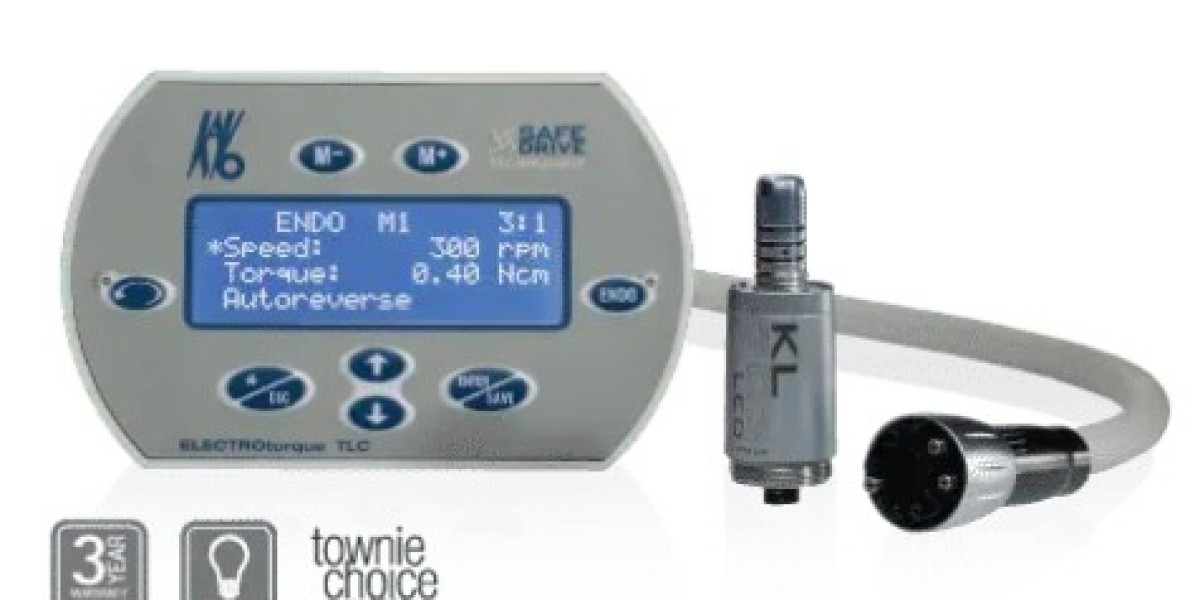


Electric dental handpieces are valued for their consistent speed and torque, especially during procedures that require controlled cutting performance. However, because these systems contain precision gears, bearings, attachments, motors, and control components, changes in internal condition can sometimes lead to excessive heat during operation.
A handpiece that becomes warmer than expected should not simply be treated as a normal part of use. Electric handpiece overheating may indicate increased internal friction, worn bearings, damaged gears, attachment problems, or another mechanical issue that requires attention.
Recognizing the warning signs early can help a dental team remove the affected unit from service before the condition becomes more severe. When overheating continues despite correct maintenance, professional electric handpiece repair can help determine the source of the problem and the appropriate repair.
Why Does an Electric Dental Handpiece Overheat?
Heat is often associated with friction. Inside an electric dental handpiece, multiple components rotate and interact at high speeds. Bearings support rotating assemblies while gears transfer power through the attachment.
When these components are in good condition, the handpiece should operate smoothly. When wear develops, additional friction may be created inside the system. That extra resistance can increase heat and affect overall performance.
Other possible causes can include inadequate maintenance, internal contamination, damaged components, or problems elsewhere in the electric system.
Because several faults can produce similar symptoms, dental handpiece overheating should be properly diagnosed instead of assuming that one specific component has failed.
What Are the Early Warning Signs of Overheating?
An obvious increase in temperature is one warning sign, but overheating may occur together with other changes in performance.
The handpiece may begin producing unusual mechanical noise or increased vibration. Cutting performance may become less consistent, or the handpiece may feel different when placed under load. In some cases, the clinician may notice reduced torque or intermittent operation.
These symptoms can provide useful diagnostic clues. For example, heat combined with abnormal noise may suggest increased internal friction involving bearings or gears. Heat together with vibration may also indicate a mechanical problem within the attachment.
Dental teams should pay attention when a handpiece begins behaving differently from comparable units in the practice. Persistent performance changes are a reason to consider professional electric dental handpiece repair.
How Can Worn Bearings Cause an Electric Handpiece to Heat Up?
Bearings help rotating components move smoothly while maintaining alignment and reducing friction. As bearings wear, their ability to support smooth rotation may decline.
A worn bearing can create additional resistance inside the handpiece. This may result in increased noise, vibration, heat, or reduced efficiency. The handpiece might continue working, but its performance may become progressively less stable.
Bearing problems can also affect other components if the handpiece continues operating after significant wear develops. This is one reason a persistent change in sound or temperature should not be ignored.
Because bearings are internal precision components, diagnosis and replacement should generally be handled as part of professional electric handpiece repair rather than attempted in the dental office.
Can Damaged Gears Make an Electric Handpiece Overheat?
Yes. Gears are particularly important in speed-increasing electric attachments because they transfer rotational power through the handpiece.
As gear surfaces wear, they may no longer move together as smoothly as intended. Increased mechanical resistance can contribute to abnormal noise, vibration, reduced efficiency, and heat.
Gear wear may initially be subtle. A clinician may notice that the handpiece feels slightly rougher than usual or produces a new mechanical sound. If the wear becomes more advanced, the handpiece may struggle to maintain consistent performance during clinical use.
Professional dental handpiece gear repair or overhaul may involve disassembly, cleaning, inspection, and replacement of worn internal components where appropriate.
Hayes Handpiece services speed-increasing 1:5 electric handpieces and evaluates worn internal components as part of the overhaul process.
Can Poor Maintenance Lead to Electric Handpiece Overheating?
Maintenance practices can influence the service life and operating condition of dental handpieces. However, electric handpiece systems can have different maintenance requirements depending on the manufacturer, model, motor, and attachment.
Dental teams should always follow the manufacturer's instructions for cleaning, lubrication, sterilization, and routine maintenance.
Incorrect maintenance can contribute to internal contamination or unnecessary friction. On the other hand, applying additional lubricant to a handpiece that does not require it will not fix mechanical damage and may create new problems.
Proper electric handpiece maintenance is primarily preventive. It can help reduce avoidable wear, but it cannot restore a damaged bearing, worn gear, or failed internal component.
If excessive heat continues after correct maintenance procedures have been followed, the handpiece should be inspected professionally.
Is the Problem in the Handpiece, Motor, or Control System?
Electric handpiece systems contain several connected components, which can make diagnosis more complex than simply checking the attachment.
The attachment itself may contain worn bearings or gears. The electric motor can also develop problems that affect consistent operation. In other cases, the console or control system may contribute to performance issues.
Where compatible equipment is available, comparing an affected attachment with another known-working attachment may help narrow down the source of the problem. If one attachment operates normally while another repeatedly overheats, the problem may be located in the affected attachment.
If multiple compatible attachments show the same performance issue with the same motor or system, the motor, connection, console, or control system may require further investigation.
Hayes Handpiece provides service for electric handpieces as well as compatible motors and control systems, allowing technicians to assess more than one part of the electric system when necessary.
What Happens During Professional Electric Handpiece Repair?
Professional electric dental handpiece repair begins with evaluation of the unit and the symptoms reported by the dental team.
For speed-increasing 1:5 handpieces, repair may involve disassembly of the unit so that internal components can be inspected. Cleaning is important because contamination can affect the movement of precision parts.
Worn or damaged parts can then be replaced as needed, depending on the handpiece design and condition. The repaired handpiece is subsequently reassembled and tested to confirm that it is operating correctly.
Hayes Handpiece describes its standard electric handpiece overhaul as including disassembly, cleaning, replacement of necessary parts, and testing against appropriate product specifications.
This approach helps ensure that the source of the overheating or performance problem is addressed rather than simply treating the visible symptom.
When Should an Overheating Electric Handpiece Be Removed From Service?
A handpiece that becomes excessively hot during normal operation should not simply be used until complete failure occurs.
If the handpiece repeatedly runs hotter than comparable units, develops abnormal noise, vibrates excessively, loses torque, or operates inconsistently, it should be evaluated.
Continuing to use a handpiece with significant internal friction may allow the underlying mechanical problem to worsen. Heat can also be an indication that rotating components are not functioning as intended.
If the symptom remains after the practice has completed the appropriate manufacturer-recommended checks and maintenance, professional inspection is the safer next step.
Hayes Handpiece provides electric handpiece repair for major brands including KaVo, W&H, NSK, Star, Bien-Air, and A-dec, along with service options for many motors and control systems.
How Can Dental Practices Reduce Electric Handpiece Problems?
Consistent equipment care begins with following the manufacturer's maintenance and sterilization instructions for each individual model.
Staff should also report changes in sound, temperature, vibration, torque, or cutting performance early rather than waiting for the handpiece to stop working completely.
Keeping equipment in good operating condition also means avoiding unauthorized internal repairs. Electric attachments contain precision gears and bearings, and incorrect disassembly can create additional damage.
Practices may also benefit from keeping service records for each handpiece. Tracking repeated problems can help determine whether repair remains the best option or whether replacement should eventually be considered.
Early detection combined with professional servicing can help maintain more consistent performance and reduce unexpected downtime.
Conclusion
Electric handpiece overheating is not a symptom that should be ignored. Excess heat may result from worn bearings, damaged gears, internal friction, attachment problems, maintenance issues, or faults involving the motor or control system.
Because several components can produce similar symptoms, proper diagnosis is essential. Correct maintenance may reduce unnecessary wear, but it cannot reverse physical damage that has already developed.
When heat is accompanied by noise, vibration, reduced torque, or inconsistent operation, professional electric handpiece repair can identify the source of the problem. Hayes Handpiece services electric handpieces, motors, and compatible control systems and can determine whether component repair, overhaul, or replacement is the appropriate solution.
Frequently Asked Questions
Why is my electric dental handpiece getting hot?
An electric dental handpiece may become excessively warm because of internal friction, worn bearings, damaged gears, contamination, attachment problems, or another mechanical issue. Persistent overheating should be professionally evaluated.
Can worn bearings cause an electric handpiece to overheat?
Yes. Worn bearings can increase friction and may contribute to heat, noise, vibration, and inconsistent performance.
Can damaged gears be repaired in an electric dental handpiece?
Depending on the model and condition of the handpiece, damaged or worn internal components may be replaced during an overhaul. A technician should inspect the handpiece to determine the appropriate repair.
Should I keep using an electric handpiece that becomes unusually hot?
A handpiece that becomes excessively hot or develops other abnormal symptoms should be removed from normal use and evaluated. Continued operation may allow an internal problem to become more severe.
Can an electric handpiece motor be repaired?
Many electric motors and control systems can be professionally assessed for servicing or replacement. The correct solution depends on the manufacturer, model, condition, and source of the performance problem.






