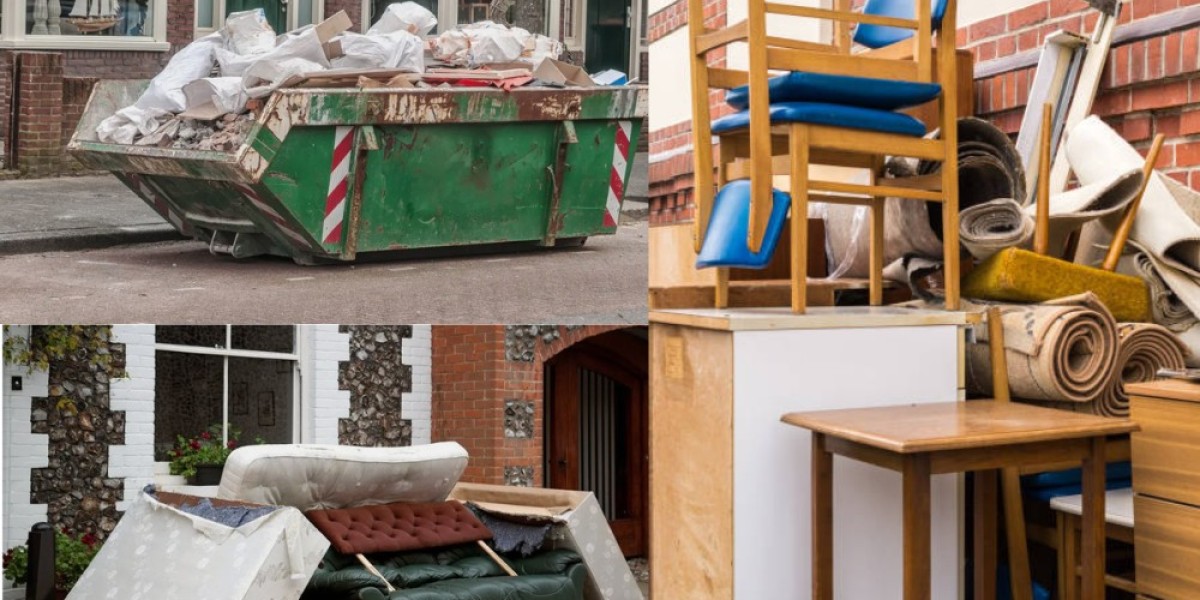


When a skip bin leaves your driveway, or the commercial front-lift truck rolls out of your industrial site at 5 am, the first assumption is that the job is done. Effective waste management actually begins from here, as the process is much more than just tossing the garbage into the bin and forgetting that it exists. Once the truck turns the corner, the waste enters the complex network of sorting lines, EPA tracking systems and material recovery facilities across the country. Getting a clear view of where the business waste goes after collection is not just about satisfying your curiosity. It is much more, such as compliance, avoiding massive council fines, and ensuring that you aren't paying premium rates for pure landfill disposal.
The Australian waste system is under immense pressure to evolve and improve as the Australian Government's 2024 National Waste Policy Action Plan retains targets including an 80% average response recovery rate across waste streams. They also aim to cut down the organic waste sent to landfill sites by half by 2030.
What Happens After Waste Collection?
The exact destination of every waste material depends on the material type, its condition, contamination levels and available local infrastructure. The basic waste collection and processing journey usually looks something like this:
● Waste is collected and transported to a transfer station, sorting facility, recycling plant or disposal facility.
● Materials may be weighed, inspected and separated into usable streams.
● All the recoverable materials are sorted and processed and then sent for reuse or remanufacturing.
● Organics may be composted or otherwise processed.
● Hazardous materials that are part of waste collection require specialised treatment by the waste removal company.
● Residual material with no viable recovery pathway may go to landfill or another approved disposal option.
This might sound neat on paper, but it is never on the ground. Contamination, mixed loads, wet materials, broken packaging and simple human behaviour can influence the outcome significantly. A clean stream of cardboard has a very different recovery potential from cardboard soaked in food waste. The material might be the same, but the problem is completely different.
Collection does not guarantee recovery, and it's the quality of separation before collection that determines whether waste remains a resource or becomes a disposal problem. This is one of the less glamorous truths behind modern waste systems.
Different Waste Categories Take Different Paths
Household General Waste
General household rubbish is usually the most misunderstood stream, and people often assume that anything collected from a bin is sorted later and valuable materials are magically pulled out. The fact is that sometimes additional sorting occurs, depending on the facility and collection system. But mixed general waste is difficult and expensive to recover effectively once food scraps, soft plastics, nappies, broken glass and other materials are combined.
In many cases, residual general waste ends up in landfill, and according to Australia's National Waste and Resource Recovery Reporting, around 25.7 million tonnes of headline waste were disposed of in 2022–23. The landfill accounted for the overwhelming majority of disposed material and commercial and industrial sources represented the largest share of that disposal stream.
Recycling Streams
Paper, cardboard, metals, glass, and certain plastics can enter established resource recovery pathways, but they must meet processing requirements. After collection, recyclable materials may go to a materials recovery facility where equipment and manual sorting separate materials by type. Magnets are used to pull out ferrous metals, and there are screens to separate materials by size. Every waste removal company these days uses optical sorting technology to identify particular material types.
Then comes another reality check. Sorting is not the same as turning something into a new product, and recovered materials often need further cleaning, processing and remanufacturing before they can become usable commodities. Market demand also matters, and apart from this, a technically recyclable material still needs a viable pathway and an end market. This is where Australia's approach has shifted away from simply moving the waste offshore. National Export restrictions on several unprocessed waste materials have increased the focus on domestic processing and local resource recovery capacity.
Food And Organic Waste
Garden clippings and food waste are a classic example of a material that can cause problems in the wrong stream. But the same delivers immense value when separated properly. Depending on local systems and facility capability, organics can be processed through composting or other recovery methods. The end goal is to return useful organic material to productive use rather than burying it with mixed rubbish.
However, this also remains a fact that organics collection is not a free pass to chuck anything vaguely biodegradable into the bin. The reason is that compostable packaging, plastic produce stickers, bags and other contaminants can create headaches at processing facilities. Australia's National Policy specifically targets organic waste because reducing organics sent to landfill remains a major resource recovery priority. The practical lesson is simple to understand for homeowners: simply follow the rules set by the local council and collection provider and not assume that every green-looking item belongs in the organics bin.
Construction And Demolition Waste
Construction waste follows a different beast of a pathway altogether, and concrete, bricks, timber, plasterboard, metals, soil and asphalt can potentially be separated and recovered. Demolition jobs are messy as materials arrive mixed, damaged and sometimes contaminated. A clean concrete load can be crushed for reuse in appropriate applications, and scrap metal has established recovery markets. Likewise, timber may have reuse or processing options depending on its condition.
But once a load is mixed with hazardous material, treated timber, asbestos or excessive contamination, recovery becomes harder and more expensive. This is why separation on-site can make commercial sense before the skip bin truck even arrives.
Where Does Business Waste Go After Collection?
This is where small business owners should look beyond the invoice, as commercial waste streams vary wildly. For example, a café might produce food organics, glass, cardboard, and general waste, while a warehouse may generate pallets, shrink wrap, and large volumes of cardboard. Similarly, an automotive workshop can deal with packaging alongside regulated wastes that require specialised handling. A decent waste removal company should understand that these materials do not belong in one generic solution and the destination can depend on:
● Material type and contamination
● Collection arrangements
● Local processing infrastructure
● Regulatory requirements
● Volume and consistency of the waste stream
● Whether materials were separated at source
For a business, the cheapest collection arrangement is not automatically the cheapest overall arrangement. Paying for one large mixed waste bin may look simple until disposal charges, contamination and lost recoverable material are factored in.
The Awkward Truth About "Recycling Everything"
Australians are generally willing to recycle, but good intentions can create problems when people start guessing. A greasy pizza box, for example, may not have the same recovery outcome as clean cardboard. A container with leftover chemicals cannot simply be treated like ordinary packaging. This is why the waste hierarchy matters and Australia's policy framework places avoidance and reduction ahead of reuse, recycling, recovery and disposal. Recycling is undoubtedly valuable, but it is not automatically the top answer to every material problem, and sometimes the best waste outcome happens before collection. Ordering less excess material, choosing reusable packaging, repairing equipment or avoiding unnecessary single-use products can prevent the entire downstream handling process.
A Quick Way To Assess Where Your Waste Is Heading
For homeowners and small businesses, these four questions can reveal a lot:
What Exactly Is In The Bin?
● "Mixed waste" is not a useful description when trying to improve outcomes.
Is The Material Separated Before Collection?
● Source separation is often easier and cheaper than trying to recover materials later.
Is There A Realistic Local Recovery Pathway?
● Availability varies by region, council, and facility.
Are You Relying On Assumptions?
FAQs
How Is Commercial Waste Sorted And Processed?
Commercial loads may be separated manually or mechanically depending on the material mix and receiving facility. A waste removal company can improve outcomes when waste management arrangements match the actual materials generated on-site.
Does All Recycling Actually Become New Products?
Not necessarily, because contamination, material quality and available processing markets affect what can be recovered. Good waste management services improve the odds, but waste management still depends heavily on proper separation before collection.
What Happens If Recyclable Materials Are Contaminated?
Contaminated materials can become difficult or uneconomical to recover and may be redirected to disposal. That is why waste management systems rely on correct sorting, and waste removal company advice should be followed for tricky items.
Can Food Waste Be Kept Out Of Landfill?
Yes, where suitable collection and processing infrastructure exists, food organics can enter dedicated recovery pathways. Proper waste management services matter here because waste management outcomes depend on keeping plastics and other contaminants out.
Why Should Small Businesses Separate Their Waste?
Separating cardboard, organics, metals and general rubbish can improve recovery opportunities and reveal unnecessary disposal costs. A capable waste removal company can help align waste management arrangements with actual commercial waste streams.
How Can I Check Where My Collected Waste Ends Up?
Ask your council or provider about the facilities and pathways used for each collection stream rather than assuming. Transparency is becoming a bigger part of waste management, and credible waste management services should explain the basics clearly.
The Collection Truck Is Not The End Of The Story
The fate of waste depends heavily on decisions made before collection: What was purchased, how materials were used, whether they were separated and how clean each stream remained. For Australian households and small businesses, that is probably the most useful takeaway.
Better sorting will not solve every waste problem, and infrastructure still varies across the country, but treating all rubbish as one anonymous stream is a dead-end approach. Check what your council or provider actually accepts, separate materials where practical, and ask where the difficult stuff goes. A little clarity before collection can make a far bigger difference after it.






